
Have you ever sat down to relax, only to realize your lungs feel “stuck”? It is a frightening sensation—the feeling that no matter how hard you inhale, you simply cannot get a satisfying, full breath. In medical terms, this is known as dyspnea, and in 2026, it has become one of the most common reasons for outpatient medical consultations.
Whether it feels like a weight on your chest or a sudden “air hunger,” the inability to take a deep breath is rarely just “in your head.” As we navigate a world of changing air quality, high-paced digital stress, and evolving respiratory health, understanding the root causes of shortness of breath is the first step toward reclaiming your lung capacity.
Understanding Dyspnea: The Sensation of “Air Hunger”
Dyspnea is the clinical term for shortness of breath. It isn’t always about gasping for air after a sprint; for many, it manifests as a subtle, nagging feeling that the lungs are only filling up 70% of the way.
This sensation can be acute (starting suddenly) or chronic (developing over weeks or months). While it is often a symptom of an underlying condition, the way you describe it—whether it’s “tightness,” “suffocation,” or “heavy breathing”—can help healthcare providers pinpoint the source.
Common Physical Causes of Restricted Breathing
When your body signals that it can’t get enough oxygen, it is usually responding to a disruption in the heart-lung-blood oxygen loop. Here are the primary physical drivers in 2026:
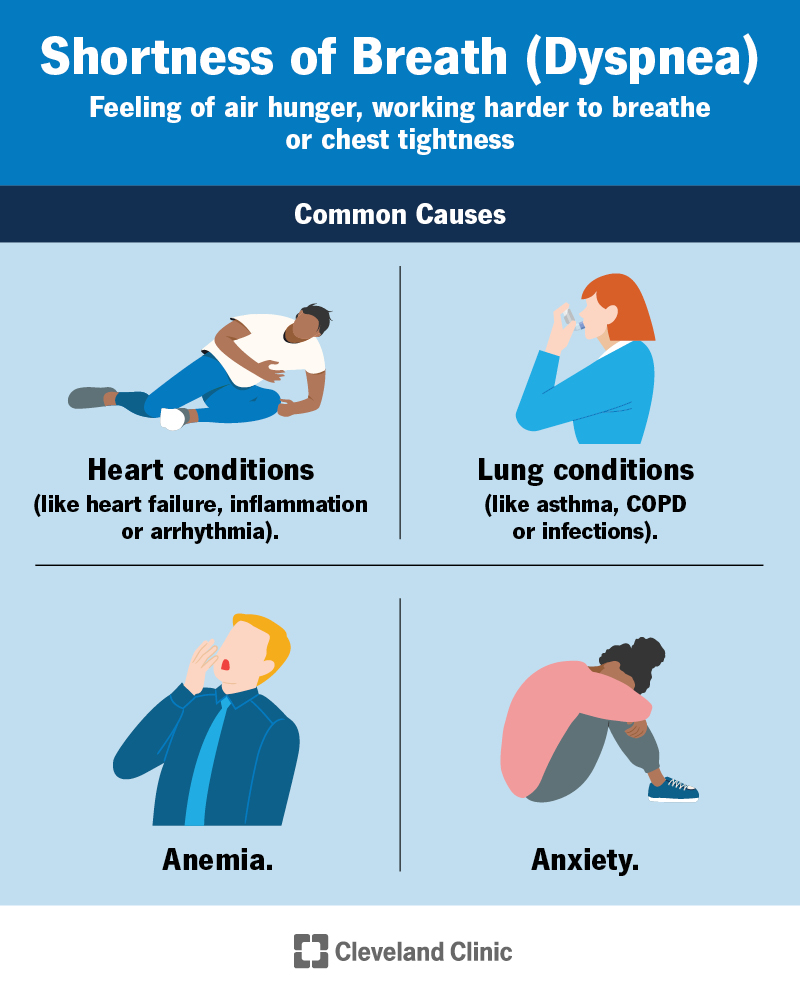
1. Respiratory Conditions (Asthma and COPD)
Asthma remains a leading cause of breathing difficulties. However, in 2026, we are seeing a rise in “Adult-Onset Environmental Asthma” triggered by urban pollutants. COPD (Chronic Obstructive Pulmonary Disease) and emphysema also restrict airflow by damaging the air sacs in the lungs, making deep inhalations feel physically blocked.
2. Post-Viral Lung Fatigue
Years after the global respiratory shifts of the early 2020s, many individuals still experience pulmonary fibrosis or lingering inflammation. This “stiffening” of the lung tissue prevents the chest cavity from expanding fully, leading to a chronic inability to take a deep breath.
3. Anemia and Iron Deficiency
If your blood doesn’t have enough hemoglobin, it cannot carry oxygen efficiently. Your brain detects this low oxygen level and triggers a “breathless” feeling, even if your lungs are technically healthy. This is often accompanied by fatigue and cold hands.
4. Heart Health Complications
Your heart and lungs work in a delicate dance. If the heart cannot pump blood effectively (as seen in congestive heart failure or coronary artery disease), fluid can build up in the lungs, making every breath feel like a struggle.
The Mind-Body Connection: Anxiety and “Air Hunger”
In 2026, the psychological impact of our “always-on” digital culture has led to a surge in Somatic Symptom Disorder related to breathing.
When you are stressed or anxious, your body enters a “fight or flight” state. This causes your muscles to tense—including the diaphragm and intercostal muscles between your ribs.
- Hyperventilation: You may be breathing too shallowly and quickly without realizing it.
- Chest Breathing: Instead of using your belly, you use your upper chest, which is inefficient and leads to a feeling of “not getting enough air.”
- Panic Attacks: A sudden, overwhelming sense of breathlessness is a hallmark of a panic episode.
2026 Environmental and Lifestyle Factors
Why does it seem like more people are struggling to breathe deeply this year? Several modern factors are at play:
- Digital Slump (Text Neck): Poor posture from excessive screen use compresses the thoracic cavity. If your shoulders are hunched, your diaphragm cannot drop fully, physically preventing a deep breath.
- Micro-Pollutants: With shifting climate patterns in 2026, higher concentrations of wildfire smoke and ozone can cause “silent inflammation” in the airways.
- Vaping and E-Cigarette Scars: Long-term data now shows that even “clean” vaping can cause bronchiolitis obliterans, narrowing the smallest airways in the lungs.
When Is it an Emergency?
While many causes of breathlessness are manageable, some require immediate intervention. You should seek emergency care if you experience:
- Sudden onset of severe shortness of breath.
- Chest pain or pressure that radiates to the arm or jaw.
- Bluish tint to the lips or fingernails (cyanosis).
- Fainting or extreme dizziness.
- Swelling in the ankles or legs (a sign of heart issues).
How to Fix the “Inability to Breathe Deeply”
If a medical professional has ruled out an emergency, you can use these strategies to restore your breathing rhythm:
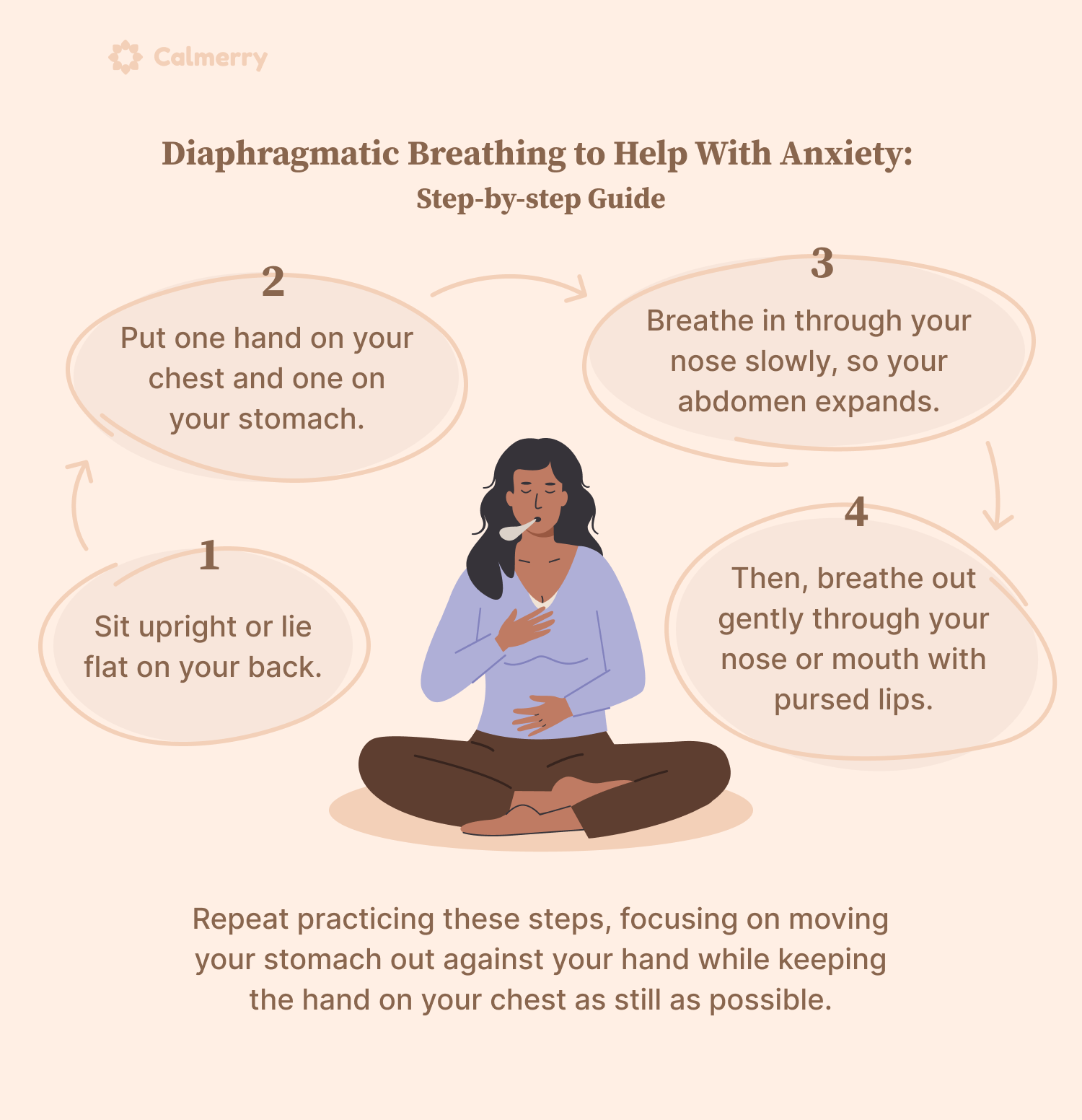
Diaphragmatic Breathing (Belly Breathing)
Most people breathe from their chest. To fix this, place one hand on your belly and one on your chest. Inhale through your nose, ensuring only the hand on your belly rises. This engages the diaphragm, the primary muscle responsible for deep lung expansion.
The 4-7-8 Technique
This is a rhythmic breathing pattern that resets the nervous system:
- Inhale for 4 seconds.
- Hold your breath for 7 seconds.
- Exhale forcefully through your mouth for 8 seconds.
Posture Correction
In 2026, “postural restoration” is a key therapy. Simply sitting up straight, pulling your shoulder blades back, and “opening” your chest can immediately increase your lung capacity by up to 20%.
Medical Interventions
Depending on the diagnosis, a doctor may prescribe:
- Bronchodilators for asthma.
- Iron supplements for anemia.
- Cognitive Behavioral Therapy (CBT) for anxiety-induced dyspnea.
- Pulmonary rehabilitation to strengthen lung tissue.
Conclusion: Reclaiming Your Breath
Feeling like you can’t take a deep breath is your body’s way of asking for attention. Whether it is a sign of hidden stress, a postural issue, or an underlying medical condition, it is not something you should ignore.
As we move through 2026, staying proactive about your respiratory health—by monitoring air quality, practicing mindful breathing, and maintaining regular check-ups—is essential. You deserve to take a full, satisfying breath. If you haven’t felt one in a while, today is the day to find out why.