
If you’ve ever found yourself strategically positioning your arms to hide damp patches during a high-stakes meeting or a casual date, you aren’t alone. Excessive underarm sweating—medically known as axillary hyperhidrosis—is a common concern that affects millions of people globally. In 2026, we have more advanced insights and effective management strategies than ever before.
Understanding why your body reacts this way is the first step toward regaining your confidence. Whether it’s a biological quirk or a signal from your nervous system, let’s dive into the science behind the sweat.
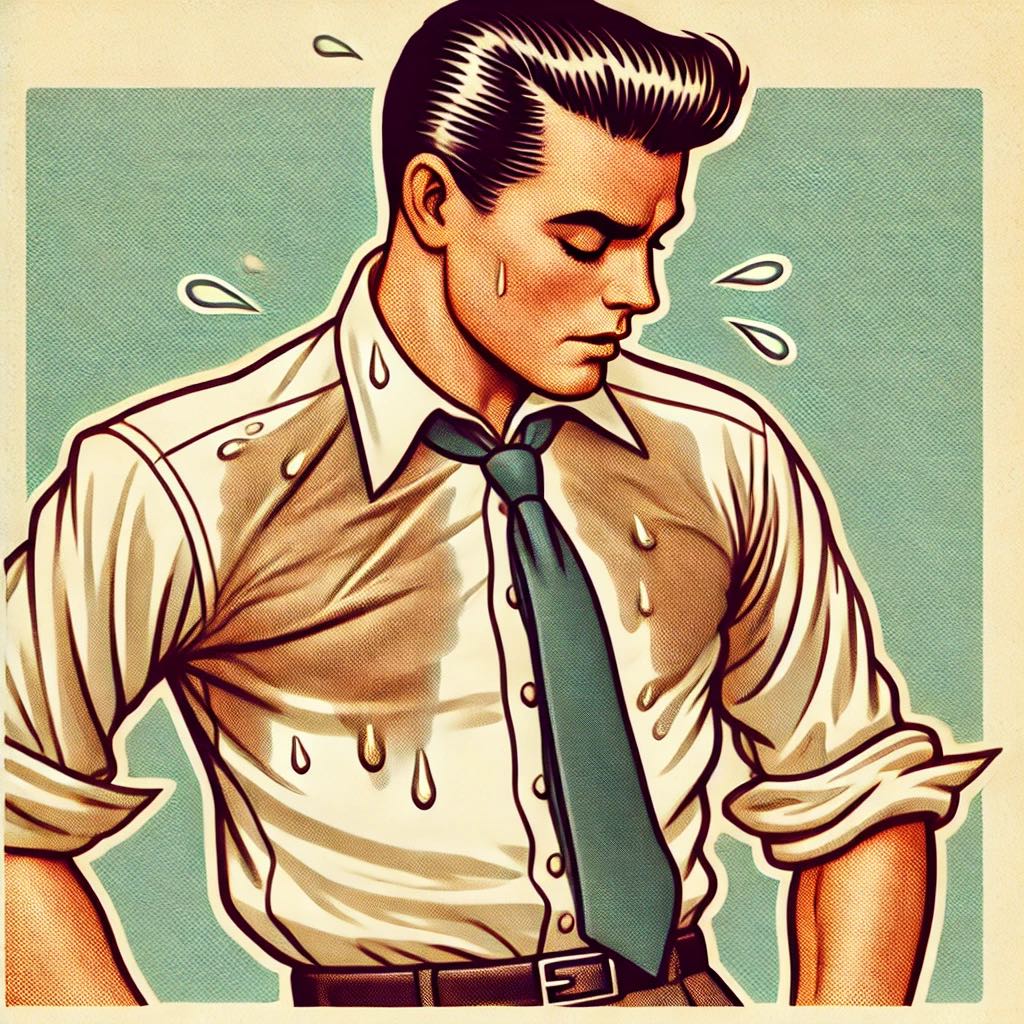
The Biology Behind the Dampness: Why Are My Armpits So Sweaty?
Sweating is your body’s built-in air conditioning system. When your internal temperature rises, your brain signals the eccrine glands—which are densely packed in your underarms—to release moisture to cool you down. However, when these glands go into overdrive, it can feel like a persistent, uncontrollable issue.
1. The Stress-Sweat Connection
It isn’t just heat that triggers your sweat glands. Emotional stress, anxiety, and nervousness stimulate the apocrine glands. Unlike the watery sweat produced by eccrine glands, apocrine sweat is thicker and richer in proteins, which bacteria love. This is why stress sweat often comes with a more noticeable odor.
2. Hormonal Fluctuations
As of 2026, medical research continues to highlight how hormonal shifts—whether due to puberty, pregnancy, menopause, or thyroid conditions—can significantly impact your sweat production. If you notice your sweating patterns changing alongside your hormonal cycles, it may be a physiological response rather than a hygiene issue.

Lifestyle Triggers: What You Consume Matters
Sometimes, the answer to “why do I sweat a lot from armpits” is sitting right on your dinner plate. Certain foods and drinks can act as catalysts for your sweat glands:
- Caffeine: By stimulating the central nervous system, coffee and energy drinks can trigger your sweat glands to activate even when you aren’t physically active.
- Spicy Foods: Capsaicin, the compound that gives chili peppers their heat, tricks your brain into thinking your body temperature is rising, forcing your body to sweat to “cool down.”
- Alcohol: Consuming alcohol can dilate the blood vessels in your skin, which may lead to increased sweating.
When Is It Hyperhidrosis?
If you find that your underarm sweating is persistent, happens regardless of the temperature, and interferes with your daily activities, you might be dealing with primary focal hyperhidrosis. This condition isn’t caused by an underlying medical ailment; rather, it is a localized overactivity of the nerves responsible for triggering sweat.
<img alt="your concerns: Why do I sweat a lot on my nose and armpits? – The New Times" src="https://www.newtimes.co.rw/uploads/importedimages/files/main/articles/2016/05/29/1464549398article-2545347-1AEEB91600000578-348634×362.jpg” style=”max-width:100%; height:auto; border-radius:8px; margin: 1rem 0;” />
How to Manage Excessive Sweating in 2026
You don’t have to live with the discomfort of excessive underarm moisture. Here are the most effective strategies for 2026:
Over-the-Counter Solutions
Start with a clinical-strength antiperspirant. Unlike regular deodorants, which simply mask odor, antiperspirants contain aluminum salts that form a temporary plug in the sweat ducts. For the best results, apply them at night on dry skin so they have time to work overnight.
Lifestyle Adjustments
- Fabric Choices: Opt for breathable, natural fibers like cotton, linen, or moisture-wicking synthetic blends.
- Dietary Tweaks: Reduce your intake of caffeine and spicy foods to see if your sweat volume decreases over a two-week period.
- Stress Management: Incorporate mindfulness, deep breathing, or yoga to calm your nervous system, which can help reduce stress-induced sweating.
Advanced Medical Treatments
If topical solutions aren’t cutting it, consult with a dermatologist. In 2026, medical options are more accessible than ever:
- Botox Injections: By blocking the chemical signals that stimulate sweat glands, Botox can effectively “turn off” underarm sweating for several months.
- Prescription Antiperspirants: Stronger formulations containing aluminum chloride hexahydrate are available for those who need more than drugstore options.
- Advanced Procedures: In rare and severe cases, minimally invasive procedures or energy-based treatments can permanently reduce the number of active sweat glands.
Conclusion: Take Control of Your Comfort
Asking, “Why do I sweat a lot from armpits?” is the first step toward a more comfortable life. While it is often a natural reaction to heat or stress, it is a manageable condition. Whether you start by switching your antiperspirant or by speaking with a professional about clinical treatments, you have the power to stop the sweat. Don’t let damp patches dictate your wardrobe or your confidence—take action today.