
There is nothing quite as jarring as rising from a comfortable seat or jumping out of bed, only to have the room tilt, your vision blur, and your balance falter. If you have ever asked yourself, “Why do I feel dizzy after standing up quickly?” you are part of a massive demographic. In 2026, health tracking technology has made us more aware of our physiological responses than ever before. While this phenomenon is common, it is often misunderstood, leading many to worry about serious neurological or cardiovascular issues when the reality is usually tied to simple hemodynamic mechanics.
This sensation, medically referred to as orthostatic hypotension, is a transient drop in blood pressure that occurs during postural changes. While modern medicine has advanced significantly in the last few years, the fundamental reason for this “head rush” remains a battle between gravity and your body’s autonomic nervous system. Understanding why this happens—and when it warrants a trip to the doctor—is an essential component of proactive health management in the modern era.
The Physiology of the “Head Rush”: Understanding Orthostatic Hypotension
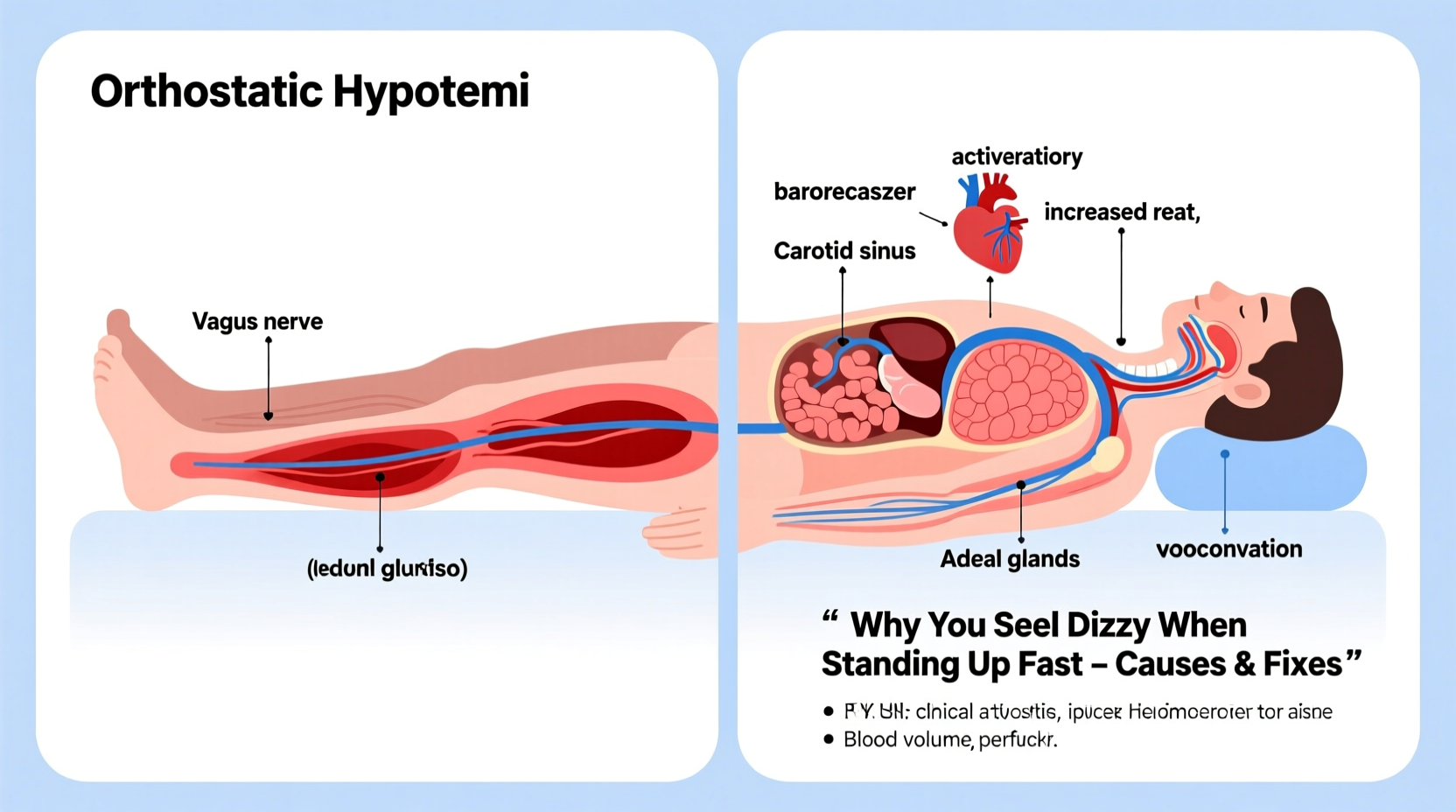
To understand why you feel lightheaded, you must first understand the “baroreceptor reflex.” When you are lying down or sitting, your blood is distributed relatively evenly throughout your body. As soon as you stand, gravity exerts a powerful force, pulling roughly 500 to 1,000 milliliters of blood into your lower extremities and abdomen. In a healthy, well-functioning system, your body compensates within seconds.
The baroreceptors—specialized sensors located in your carotid arteries and aortic arch—detect the slight drop in pressure. They immediately signal the autonomic nervous system to constrict your blood vessels and increase your heart rate. This action pushes blood back toward the brain, ensuring it remains oxygenated. When you feel dizzy, it indicates that this compensatory mechanism experienced a momentary lag. By 2026, research has confirmed that even a 2-second delay in this process is sufficient to cause symptoms like blurred vision, lightheadedness, and temporary confusion.
Common Triggers and Modern Lifestyle Factors
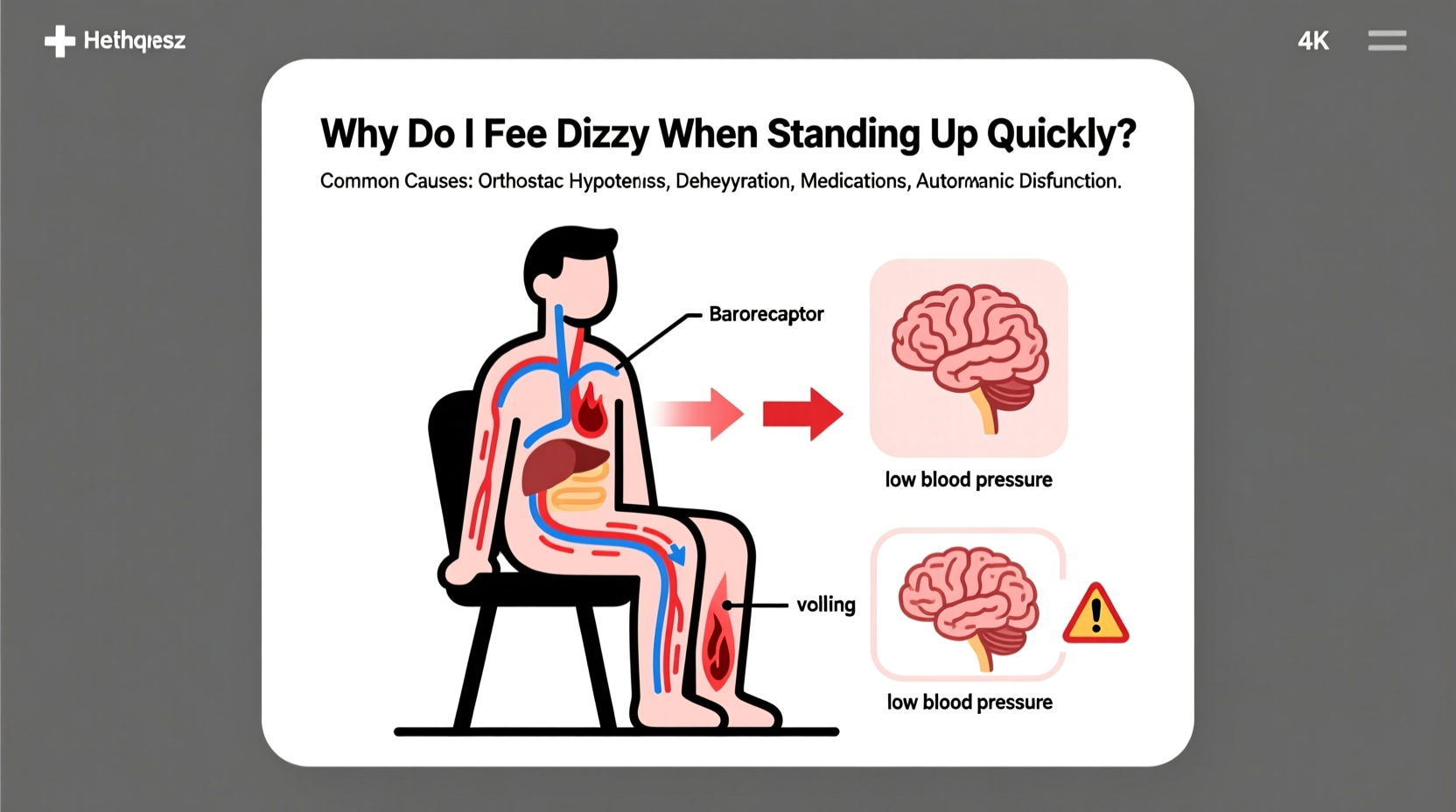
While the mechanical process is straightforward, the reasons behind the delay are diverse. In 2026, our lifestyles have evolved, and with those changes come new triggers for orthostatic hypotension. It is rarely just one thing; usually, it is a combination of factors that prevent your body from adapting to gravity as quickly as it should.
Dehydration remains the primary culprit. Despite the proliferation of smart water bottles and hydration-tracking apps, chronic mild dehydration is rampant. When your blood volume is low, there is simply less “fluid” to circulate, making it much harder for your heart to maintain adequate pressure against the pull of gravity. Even a 1-2% decrease in total body water can significantly impact your orthostatic tolerance.
Medication interaction is another major factor. As we move further into the decade, the use of specialized medications for sleep, anxiety, and blood pressure management has increased. Many of these drugs, specifically beta-blockers, diuretics, and certain antidepressants, work by relaxing blood vessels or slowing the heart rate, which can inadvertently blunt your body’s ability to respond to a sudden stand-up maneuver.
The Role of Technology and Sedentary Habits
The “digital age” has fundamentally changed how we move. In 2026, the rise of remote work and prolonged sitting has led to a condition sometimes informally called deconditioning. When you spend eight to ten hours a day sitting at a desk, your muscles—particularly those in your calves and thighs—become less efficient at acting as a “second heart.”
These muscles, known as the skeletal muscle pump, are responsible for squeezing veins and pushing blood back up toward the heart. If these muscles are weak or dormant due to excessive sitting, your body loses a crucial tool for maintaining blood pressure. Furthermore, our reliance on smart-home environments means we transition from stationary positions to movement less frequently, which may actually reduce our body’s “readiness” to perform these rapid physiological adjustments.
When Should You Be Concerned?
Most instances of dizziness after standing are benign, but there is a clear distinction between occasional lightheadedness and a chronic medical issue. If you find yourself experiencing these episodes daily, or if they are accompanied by other symptoms, it is time to look deeper.
Red flags that warrant a clinical evaluation include:
- Fainting (Syncope): If you actually lose consciousness, even for a few seconds, this is a significant event that requires a cardiac and neurological assessment.
- Chest Pain or Palpitations: Dizziness accompanied by heart fluttering or pressure in the chest could indicate an underlying arrhythmia.
- Neurological Deficits: If the dizziness is accompanied by slurred speech, sudden weakness on one side of the body, or severe headaches, seek emergency care immediately.
- Frequency: If you are experiencing “graying out” every time you stand, you may have chronic orthostatic hypotension, which can be linked to conditions like diabetes or autonomic dysfunction.
Strategies for Prevention and Management
If you are tired of the “woozy” feeling every morning, there are several evidence-based strategies you can implement today to help your body manage gravity more effectively.
1. The “Step-Up” Approach: Do not move from lying to standing in one motion. Instead, sit on the edge of your bed for 30 seconds, pump your feet up and down to activate your calf muscles, and then stand slowly. This gives your baroreceptors the time they need to trigger the necessary blood pressure adjustment.
2. Electrolyte Balance: In 2026, nutritionists emphasize that water alone isn’t enough. If you are active, you need the right balance of sodium, potassium, and magnesium to maintain blood volume. If your doctor approves, increasing your salt intake slightly can help retain fluid and keep blood pressure stable.
3. Compression Gear: Compression stockings have come a long way. Modern, breathable fabrics make them easy to wear throughout the day. They provide external pressure to your legs, preventing blood from pooling in your lower extremities and making it easier for your body to return blood to the brain.
4. Consistent Movement: Incorporate “micro-breaks” into your day. If you work at a desk, set a timer to stand up and walk for two minutes every hour. This keeps your circulatory system “primed” and prevents the blood pooling that occurs during long periods of inactivity.
The Future of Diagnostic Monitoring
As we head into the late 2020s, personal health monitoring is becoming more sophisticated. We are seeing the rise of wearable biosensors that can track blood pressure continuously rather than just taking a snapshot. These devices allow users to map their dizziness to specific times of day or activities, providing doctors with a “data-rich” profile of their orthostatic health.
If you suspect your dizziness is more than just a passing annoyance, consider using a digital health log. Record what you were doing, what you had eaten, and your hydration levels leading up to the episode. This data will be invaluable for your healthcare provider in determining whether you are dealing with simple postural issues or something that requires medical intervention.
Frequently Asked Questions
Is it normal to feel dizzy every single time I stand up?
While occasional dizziness is very common, experiencing it every single time you stand up is not considered “normal” and may indicate autonomic nervous system dysfunction or chronic dehydration. It is recommended to consult with a primary care physician to rule out underlying issues.
Can drinking more water stop the dizziness?
For many, yes. Increasing your fluid intake is the first line of defense. However, if you are well-hydrated and still experiencing dizziness, the problem may be related to how your heart pumps or how your blood vessels react, which requires a medical diagnosis.
Are there specific exercises to help with orthostatic hypotension?
Yes. Strengthening your lower body—specifically your calves and hamstrings—helps improve your body’s ability to circulate blood. Exercises like calf raises, squats, and lunges are highly effective, provided they are performed safely and with proper form.
Does age play a factor in why I feel dizzy?
Absolutely. As we age, our blood vessels naturally become less elastic and our baroreceptors become less sensitive. This means that older adults are significantly more prone to orthostatic hypotension than younger individuals. If you are over 65, it is important to be particularly mindful of your posture transitions.
Conclusion
The question, “Why do I feel dizzy after standing up quickly?” is a window into the complex and fascinating way your body manages the constant battle against gravity. In 2026, we have the tools, the knowledge, and the resources to manage these symptoms effectively. By maintaining proper hydration, staying active, and being mindful of how you transition between positions, you can significantly reduce the frequency of these dizzy spells.
However, never underestimate the power of professional medical advice. If your dizziness is persistent, severe, or accompanied by other concerning symptoms, treat it as a signal from your body that needs to be investigated. Your long-term cardiovascular health is worth the effort of a simple check-up.