
Have you ever finished a delicious meal, only to feel an immediate, undeniable rush to the bathroom? You aren’t alone. While it might feel like an inconvenience, this sudden urge to poop after eating is a surprisingly common physiological phenomenon.
In 2026, as we gain more insight into the intricate connection between our gut microbiome and digestion, understanding why your body reacts this way is more important than ever. Whether it is a normal bodily response or a sign of underlying digestive sensitivity, here is the breakdown of why your system treats every meal like a “go” signal.
The Science Behind the Gastrocolic Reflex
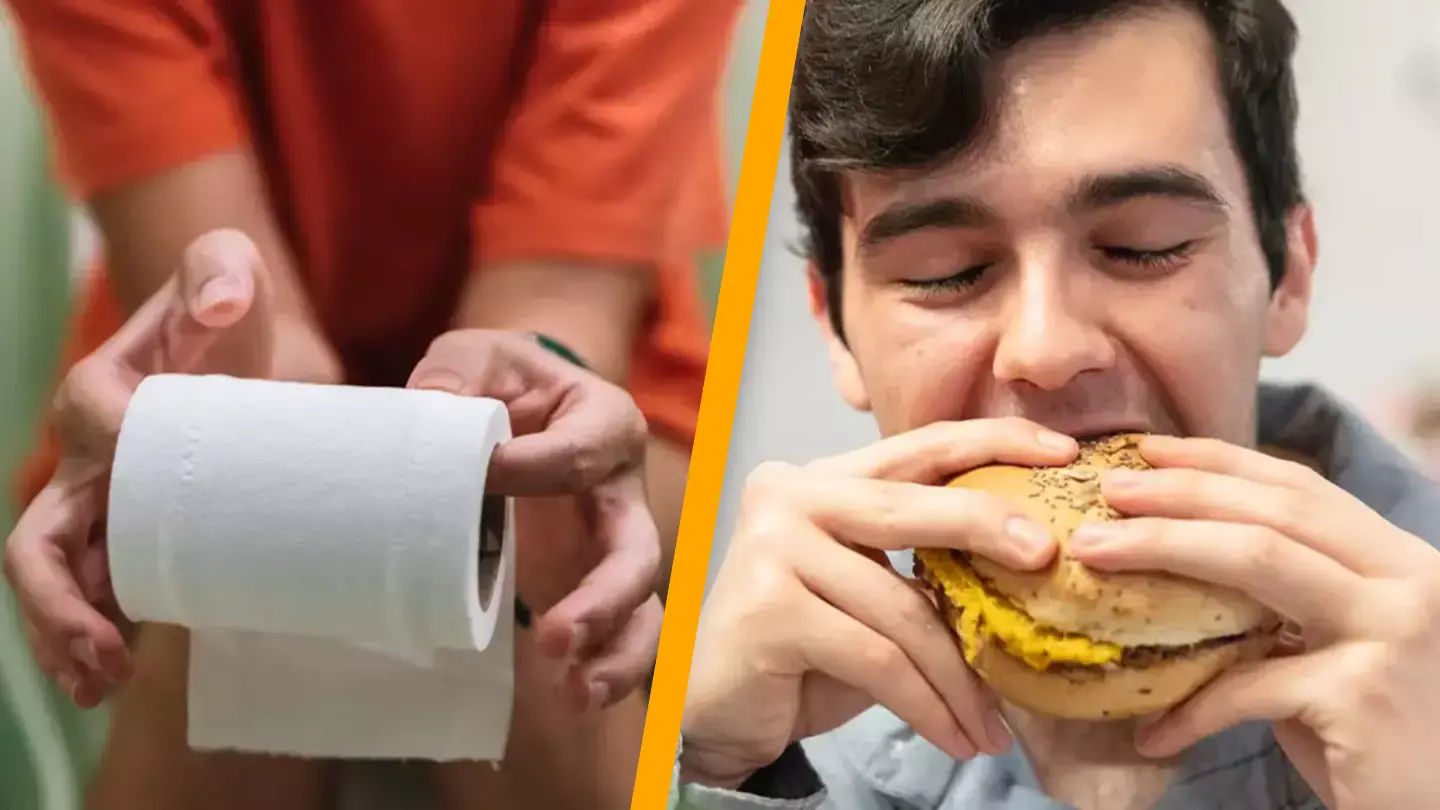
At the heart of this post-meal dash is a normal biological process known as the gastrocolic reflex. This is an involuntary muscle contraction in your colon that occurs when food enters your stomach.
<img alt="Gastroenterologist reveals why you get the sudden urge to poop after …" src="https://www.hindustantimes.com/ht-img/img/2025/09/15/550×309/constipation117491943038211757909009103.jpg” style=”max-width:100%; height:auto; border-radius:8px; margin: 1rem 0;” />
When you eat, your stomach stretches, sending signals to your colon to clear out space for incoming waste. For most people, this reflex is mild and manageable. However, if your gut is particularly reactive, that signal can feel like an emergency rather than a gentle nudge.
Why Some People Feel It More Intensely
While the gastrocolic reflex is universal, the intensity varies wildly from person to person. If you find yourself frequently rushing to the bathroom, your digestive tract might be operating on a “high-sensitivity” setting.
1. Dietary Triggers
Certain foods are notorious for firing up the gastrocolic reflex. High-fat meals, caffeine, and spicy dishes can act as stimulants, causing your digestive system to move much faster than usual. By 2026, nutritionists are increasingly pointing toward food sensitivities—such as lactose or gluten intolerance—as primary culprits for post-meal urgency.
2. Gut Microbiome Imbalance
Your gut is home to trillions of bacteria, and their composition plays a massive role in how you digest food. An imbalance (dysbiosis) can lead to increased gas, bloating, and that panicked “gotta-go” feeling.
When Should You Be Concerned?
For many, the occasional urge to poop after a meal is simply their “new normal.” However, gastroenterologists emphasize that context matters. If your bowel habits are accompanied by other symptoms, it may be time to consult a medical professional.
Red flags that warrant a doctor’s visit include:
- Chronic diarrhea or loose stools.
- Persistent abdominal pain or cramping.
- Unexplained weight loss.
- Blood in your stool.
- Waking up at night to use the bathroom.
These symptoms could point toward conditions like Irritable Bowel Syndrome (IBS), Inflammatory Bowel Disease (IBD), or celiac disease. In 2026, diagnostic tools for these conditions have become more accessible, making it easier to get a definitive answer and a personalized treatment plan.
How to Manage the “Post-Meal Dash”
If your doctor has ruled out underlying illnesses, you can often manage the frequency of your bathroom visits by making simple lifestyle adjustments.
- Keep a Food Diary: Track what you eat and when you feel the urge. This helps identify specific trigger foods that speed up your digestion.
- Increase Fiber Gradually: Soluble fiber can help regulate bowel movements and improve stool consistency, preventing that sudden, liquid-like urgency.
- Manage Stress: Since the gut and the brain are linked via the gut-brain axis, stress can significantly exacerbate digestive urgency. Practices like mindfulness, meditation, or even rhythmic breathing can help calm your nervous system during mealtimes.
- Eat Smaller, More Frequent Meals: Large, heavy meals put more pressure on the stomach, triggering a stronger gastrocolic reflex. Smaller portions can keep the reflex in check.
<img alt="When The Sudden Urge To Poop Strikes!" src="https://static.wixstatic.com/media/9f4bc31376f62cac774752b1e78b98fd8edc08~mv2.jpg/v1/fill/w1000,h667,alc,q85,usm0.661.000.01/9f4bc3_1376f62cac774752b1e78b98fd8edc08~mv2.jpg” style=”max-width:100%; height:auto; border-radius:8px; margin: 1rem 0;” />
Conclusion: Listen to Your Gut
Feeling the need to go immediately after eating is often just your body’s way of keeping things moving. For most, it is an efficient, albeit sometimes inconvenient, physical reaction. However, because your gut health is a window into your overall well-being, it is vital to pay attention to sudden changes in your bathroom habits.
By identifying your personal triggers and maintaining a balanced diet, you can often soothe an overactive gastrocolic reflex. Remember, if the urge becomes painful or disruptive to your daily life, don’t hesitate to speak with a healthcare provider. Taking control of your digestive health is one of the most effective ways to improve your quality of life in 2026 and beyond.