
At 2:14 AM on a freezing Tuesday in January 2026, I found myself sitting on my bathroom floor, chest tightening, convinced I was having a heart attack. My breathing was shallow, my palms were slick with sweat, and my mind was racing through an endless loop of catastrophic thoughts about my job, my finances, and my future.
I was experiencing a severe panic attack, a physical manifestation of the chronic stress and anxiety I had been trying to ignore for months. Like more than one-third of Americans who made a mental health-related New Year’s resolution for 2026, I had promised myself I would prioritize my overall well-being and emotional well-being this year. Yet, there I was, completely overwhelmed and utterly unsure of where to turn for help.
If you are reading this, chances are you or someone you love is navigating a similar storm. The statistics are staggering: approximately 1 in 5 American adults (nearly 44 million people) and 13% to 20% of children in the United States experience a diagnosable mental health condition or disorder in any given year.
Yet, knowing you are not alone does not automatically make the path to recovery clear. In this deeply personal guide, I want to share my first-hand journey of navigating the complex, sometimes frustrating, but ultimately lifesaving world of mental health support services and various therapy options for stress and anxiety.
Here is exactly what happened when I tried to find help, the mistakes I made along the way, and the real-world resources that helped me reclaim my life in 2026.
The Breaking Point and the Invisible Financial Barrier
My first mistake was assuming that getting professional help from qualified mental healthcare providers was as simple as searching "therapist near me" and booking an appointment. When I finally gathered the courage to look for private talk therapy, I was met with a harsh reality check.
Many private practices offering various therapy options in my area were charging upwards of $200 per session, and several did not accept my insurance. I quickly learned that I was not alone in this frustration.
According to data compiled by mental health advocates, nearly 60% of American adults with a diagnosable mental health condition receive no treatment at all, and cost is the single most commonly cited reason for this massive gap in care.
Determined not to let my finances dictate my sanity, I began researching alternative pathways to improve access to mental health care. I discovered that the landscape of free and low-cost mental health services is far more extensive than most people realize.
From federally funded community health centers and state-run agencies to university training clinics, sliding-scale options, and peer-run support networks, there are systems designed specifically to catch those of us who fall through the financial cracks.
Immediate Crisis Support: What Happened When I Dialed 988
On that terrifying night on my bathroom floor, I didn't have days to wait for an appointment. I needed someone to talk to immediately.
I had heard about the 988 Suicide & Crisis Lifeline, which officially replaced the old 10-digit national suicide hotline back in 2022 to serve as a unified entry point for mental health crisis support in the United States.
To be completely honest, I was terrified to call. I worried that my problems weren't "severe enough" or that calling would trigger some sort of emergency intervention at my home.
Here is what actually happened when I took the leap and dialed those three digits:
- The Connection: The system automatically routed my call based on my phone's area code to the nearest local crisis center.
- The Wait: I listened to a brief automated message, and within less than two minutes, a calm, reassuring voice answered.
- The Conversation: I immediately confessed to the counselor that I wasn't suicidal but was having a massive panic attack and couldn't breathe. The counselor was incredibly validating, explaining that most people who contact mental health hotlines are not in acute, life-threatening crisis—they simply need to talk to someone.
- The Outcome: Through structured breathing exercises and other effective coping strategies, the counselor helped me ground myself. Research confirms that these calls produce measurable, immediate reductions in psychological distress, and I am living proof of that statistic.
The 988 Lifeline is completely free, confidential, and available 24/7/365 via phone call, text, or online chat at 988lifeline.org.
Specialized Crisis Lines You Should Know About
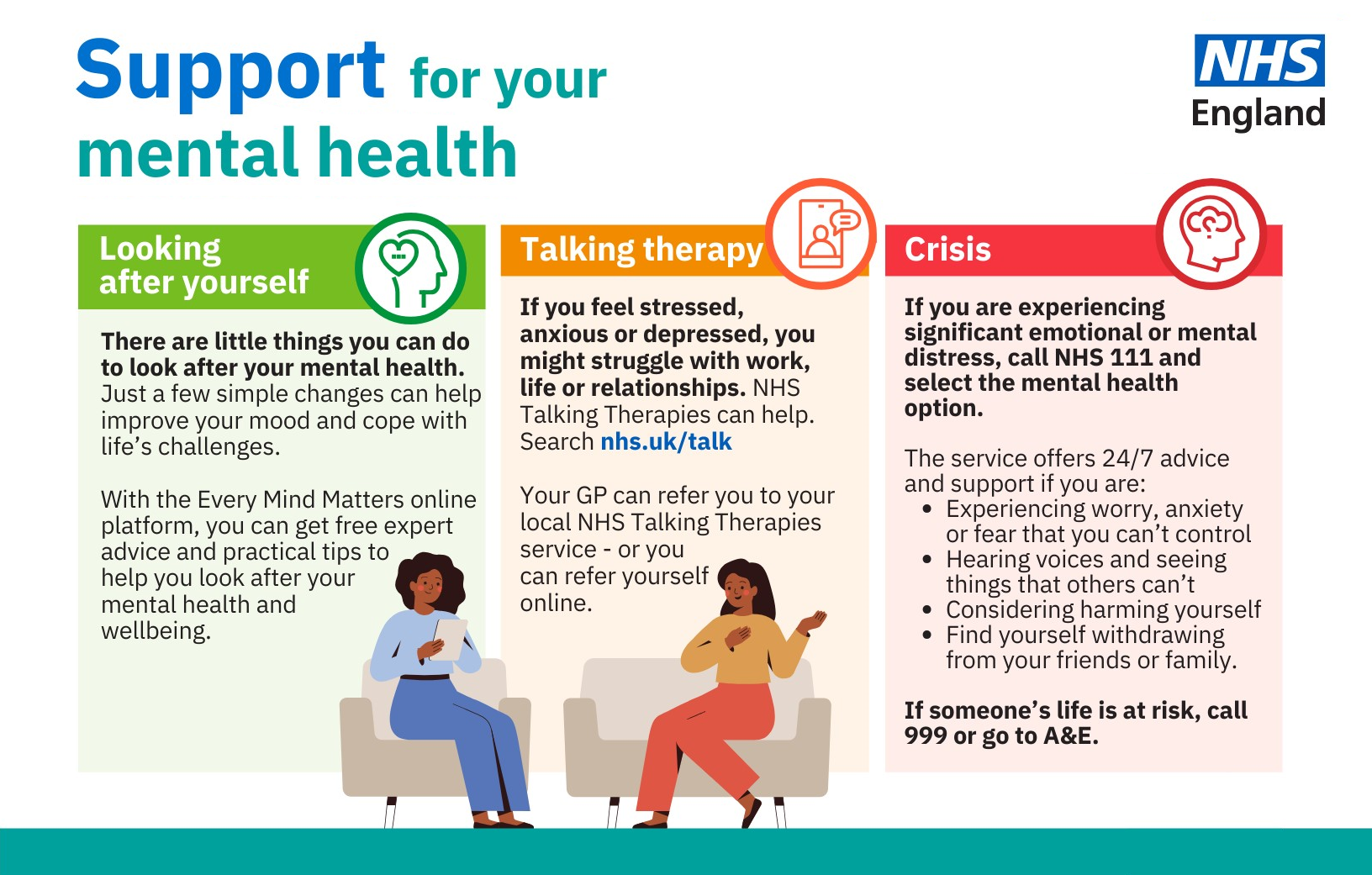
During my research, I also discovered that there are several other specialized, free crisis lines tailored to specific demographics and circumstances. If 988 doesn't feel like the right fit for your situation, consider these highly targeted resources:
- The Veterans Crisis Line: Specifically for veterans, active-duty military service members, and those who support them. You can access this by dialing 988 and pressing 1, texting 838255, or chatting online. It connects you directly with a trained Department of Veterans Affairs responder, many of whom are veterans themselves. You do not need to be registered with the VA or enrolled in VA healthcare to use this service.
- The National Maternal Mental Health Hotline: If you are pregnant or have recently given birth and are struggling with postpartum anxiety, depression, or extreme stress, you can call or text 1-833-TLC-MAMA (1-833-852-6262) for free, 24/7 confidential support.
- The Disaster Distress Helpline: Run by the Substance Abuse and Mental Health Services Administration (SAMHSA), this helpline provides immediate crisis counseling for anyone experiencing emotional distress related to natural or human-caused disasters. You can call or text 1-800-985-5990 to reach a trained counselor. This service is confidential and offers interpretation services in more than 100 languages.
- Social Media Safety Teams: If you see a friend or loved one posting concerning or self-harming messages on social media, you don't have to navigate it alone. Most major social media companies have dedicated safety teams. You can flag the post, and their safety teams will reach out discreetly to connect the user with professional help.
Navigating Clinical Care: Retail Clinics and Virtual Therapy
Once I stabilized my immediate crisis, I knew I needed a long-term strategy to manage my generalized anxiety. I wanted to find a licensed professional, but my schedule was erratic, and my budget was tight. This is when I stumbled upon a modern clinical option that I hadn't previously considered: retail-based mental health counseling.
I decided to try CVS MinuteClinic, which offers professional mental health counseling services both in-person and virtually. Here is a detailed breakdown of how my experience went and what you can expect if you choose this route.
What is Retail Mental Health Counseling?
MinuteClinic employs professional licensed therapists who are specifically trained to help patients deal with daily life challenges, stress, anxiety, depression, and major life adjustments. They provide a highly accessible entry point for those who want professional therapy without the months-long waiting lists often associated with traditional psychiatric offices.
My Experience with MinuteClinic Virtual Care
Because I preferred the comfort of my own home, I opted for a MinuteClinic Virtual Care, a form of online therapy appointment. The scheduling process was surprisingly straightforward:
- The Pre-Screening: Before scheduling, I had to answer a few basic questions online about my symptoms, location, and goals to ensure virtual care was appropriate for my needs.
- Checking In: On the day of my appointment, I received a confirmation text and email with a secure link. I was instructed to check in 15 minutes before my scheduled visit using my date of birth and zip code.
- The First Session: When the clock struck my appointment time, my licensed therapist joined the video call. The initial visit was a thorough introductory conversation. The therapist conducted an assessment of my presenting symptoms, physical health history, and overall lifestyle to understand my unique situation.
- Formulating a Plan: Together, we established a personalized care plan. This included scheduling regular, ongoing counseling sessions, exploring different types of therapy to work through my cognitive distortions and build healthy coping mechanisms.
One of the biggest benefits of this service is the continuity of care; my therapist worked with me to ensure I could book future appointments with the exact same provider. Furthermore, they explicitly stated that if my anxiety required a higher level of care or psychiatric medication, they would collaborate with and connect me to outside specialists.
Insurance and Pricing Realities
One of my primary worries was the cost. Fortunately, MinuteClinic accepts most major insurance plans.
If you are insured through providers like Aetna or Kaiser Permanente, mental health benefits often cover these visits, including telehealth services, sometimes leaving you with only a standard co-pay. If you are uninsured or prefer to pay out-of-pocket, they provide clear, transparent cost estimates before your session begins so you aren't hit with surprise medical bills.
Community-Based and Non-Profit Resources: Finding Local Support
While individual therapy was incredibly helpful, I quickly realized that clinical sessions alone weren't enough. I needed a broader support system—a community of people who truly understood what it felt like to live with chronic anxiety. This comprehensive, multi-faceted approach is key to fostering holistic mental health.
I began looking into national non-profit organizations that specialize in mental health advocacy and local community support.

Mental Health America (MHA)
My first stop was Mental Health America (MHA), a phenomenal community-based non-profit dedicated to addressing the needs of those living with mental illness. Since founding Mental Health Awareness Month in 1949, MHA has been a powerhouse of resources, significantly contributing to mental health awareness nationwide.
I used the "Affiliate Finder" tool on the MHA website to locate a local affiliate office in my area. These local affiliates are incredible because they often provide direct mental health care services, local support groups, and referrals to free or sliding-scale clinics in your specific city.
MHA also offers a suite of free, anonymous online mental health screening tools for common mental health conditions like anxiety, depression, PTSD, and bipolar disorder, which can be an excellent starting point if you aren't sure whether you need professional help.
National Alliance on Mental Illness (NAMI)
Another cornerstone of my recovery was the National Alliance on Mental Illness (NAMI). NAMI is the nation's largest grassroots mental health organization, dedicated to building better lives for the millions of Americans affected by mental illness.
Through NAMI, I found educational programs, advocacy initiatives, and peer-led support groups. They even host a massive national convention where mental health advocates, researchers, and clinicians gather to share the latest updates on treatment, wellness tools, and policy changes.
If you are looking for localized state resources, check your state's health department. For example, the Texas Health and Human Services commission provides a robust directory of local mental health authorities and substance use resources specifically for Texans experiencing anxiety, stress, or emotional changes. Almost every state has a similar equivalent designed to help residents improve their access to mental health care regardless of their financial status.
Peer Support Groups: The Power of Shared Experience
There is a unique kind of healing that happens when you sit in a room—virtual or physical—with people who don't just sympathize with your anxiety, but actually feel it too.
When I first attended an anxiety support group, I was incredibly self-conscious. I worried my stories of panic would sound silly. Instead, I found a room full of nodding heads and shared sighs of relief.
If you are struggling with specific conditions like Generalized Anxiety Disorder (GAD), Social Anxiety Disorder (SAD), Panic Disorder, Obsessive-Compulsive Disorder (OCD), or Post-Traumatic Stress Disorder (PTSD), peer support groups can be a game-changer.
Here are the two primary directories I used to find high-quality, safe, and structured support groups:
1. The Anxiety and Depression Association of America (ADAA)
The ADAA is an international non-profit organization dedicated to the prevention, treatment, and cure of anxiety, depression, OCD, PTSD, and co-occurring disorders.
The ADAA website features a comprehensive directory of both in-person and virtual support groups. These groups are often peer-led or facilitated by mental health professionals who understand the nuances of evidence-based treatments and therapeutic approaches.
2. Psychology Today's Support Group Directory
Most people know Psychology Today for their therapist directory, but their Support Group Directory is an underutilized goldmine.
You can search by your city, state, or zip code to find highly specific groups meeting near you. I found groups dedicated specifically to young professionals dealing with workplace burnout, parents managing generalized anxiety, and individuals recovering from panic attacks.

Guided Self-Help and University Training Clinics
If traditional therapy is financially out of reach and you don't feel ready for peer support groups, there are two highly effective, scientifically validated alternatives that saved me during my tightest financial months.
Guided Self-Help Programs
One of the most surprising facts I uncovered during my research is that guided self-help programs produce outcomes comparable to in-person therapy.
Guided self-help typically involves working through structured, evidence-based treatments like cognitive behavioral therapy (CBT) workbooks or digital modules while having brief, periodic check-ins with a coach or therapist via text, email, or phone.
Because the clinician spends less time in direct session with you, these programs are either completely free or cost a fraction of traditional therapy, making them a genuine, evidence-backed alternative rather than a lesser substitute.
University Psychology Training Clinics
If you live near a university with a graduate program in clinical psychology, counseling, or social work, you have access to one of the best-kept secrets in finding qualified mental healthcare providers.
Most of these universities run training clinics where advanced graduate students provide therapy to the public. Don't let the word "student" scare you; these students are trained in the latest evidence-based modalities and are closely supervised by licensed, experienced faculty members who review every case.
Because these are training facilities, they operate on a sliding scale based on your income, often offering sessions for as little as $10 to $15.
My Step-by-Step Action Plan for Accessing Support Today
If you are currently feeling paralyzed by stress and anxiety, the sheer volume of resources can feel overwhelming. To make this practical, here is the exact step-by-step physical checklist I created to guide myself out of the chaos and into structured support:
Step 1: Assess Your Immediate Safety
- If you are in immediate, life-threatening danger, call 911 or go to the nearest emergency room.
- If you are experiencing intense emotional distress, suicidal thoughts, or a severe panic attack, call or text 988 immediately. Keep the conversation going as long as you need to ground yourself.
Step 2: Check Your Existing Resources
- Contact Your Insurance: Call the number on the back of your insurance card (such as Aetna, Kaiser, or Blue Cross) and ask for a list of in-network mental health providers or virtual therapy options.
- Employee Assistance Programs (EAP): Check with your HR department. Many companies offer an EAP that provides 3 to 6 free, confidential therapy sessions per year.
Step 3: Explore Low-Cost and Free Alternatives
- Use the MHA Affiliate Finder to see if there is a local mental health association in your city.
- Search the ADAA or Psychology Today directories for a local or virtual peer support group.
- Check nearby university websites to see if their clinical psychology department operates a sliding-scale training clinic.
Step 4: Prepare for Your First Session
- Write down a brief list of your primary symptoms (e.g., racing heart, trouble sleeping, constant worry).
- Jot down 2 or 3 goals you want to achieve through support (e.g., "I want to learn how to stop a panic attack" or "I want to manage my daily work stress").
- Remember that therapy is a collaborative process; if you don't feel a positive, respectful connection with your first provider, it is completely okay to try someone else.
Navigating Crisis Services and Warm Lines: What Actually Happens When You Call?
For years, I held a massive misconception about mental health hotlines. I assumed they were reserved strictly for absolute worst-case scenarios—times when someone was actively in a life-threatening situation. Because of this, during my most intense periods of generalized anxiety and panic attacks, I refused to call. I worried that I would be taking resources away from someone who "actually" needed them, or worse, that calling would trigger an immediate emergency response to my front door.
Here is what happened when I finally broke down and used these services during a midnight panic attack that felt entirely unmanageable.
My Experience with the 988 Lifeline
Terrified of speaking on the phone while hyperventilating, I opted to use the chat feature on my laptop by visiting 988lifeline.org (Source 4). The process was surprisingly structured and immediately de-escalated my fear of the unknown:
- The Routing Process: The system automatically routes your connection based on your area code to ensure you are linked to a regional crisis center nearby (Source 4).
- The Initial Wait: While waiting to be connected, the screen displayed grounding text prompts and breathing exercises. It took less than three minutes for a trained crisis counselor to join the chat.
- The Conversation: I typed out, "I am having a massive panic attack and feel like I can't breathe." The counselor did not panic. They did not call the police. Instead, they walked me through a physical grounding exercise called the 5-4-3-2-1 technique, one of many effective coping strategies, to bring my focus back to my physical surroundings.
- Collaborative Safety Planning: Once my heart rate slowed, the counselor helped me identify three practical coping strategies I could use the next time I felt a panic attack coming on, and they provided a list of local outpatient clinics for ongoing care.
If you are in distress, you can call or text 988 to reach the 988 Suicide & Crisis Lifeline (Source 2, Source 4). It is completely free, confidential, and available 24/7/365 (Source 4). TTY users can also access the service by dialing 711 then 988 (Source 4).
Warm Lines vs. Crisis Lines
One of my most helpful personal discoveries was the existence of warm lines. Unlike crisis lines, which are designed for urgent, high-acuity situations, warm lines are designed for people who need emotional support, a sympathetic ear, or a place to vent before their stress escalates into a full-blown crisis.
Warm lines are typically staffed by peer support specialists—individuals who have personally recovered from mental health struggles and are trained to help others navigate similar paths (Source 6). When I felt incredibly lonely and overwhelmed by work stress, calling a local warm line allowed me to talk through my anxieties with someone who had been in my exact shoes, preventing a minor stressor from snowballing into a sleepless night.
Specialized Support for Specific Life Situations: Veterans, New Mothers, and Disaster Recovery
As I dove deeper into my mental health journey, I realized that stress and anxiety do not occur in a vacuum. Often, they are triggered by profound life transitions, trauma, or external environments. Fortunately, there are highly specialized, dedicated federal and state resources tailored to these exact experiences.
1. Veterans and Active-Duty Military Support
My uncle, a retired service member, struggled with severe post-deployment anxiety and hypervigilance for years. He resisted traditional therapy because he felt civilian therapists "just wouldn't get it."
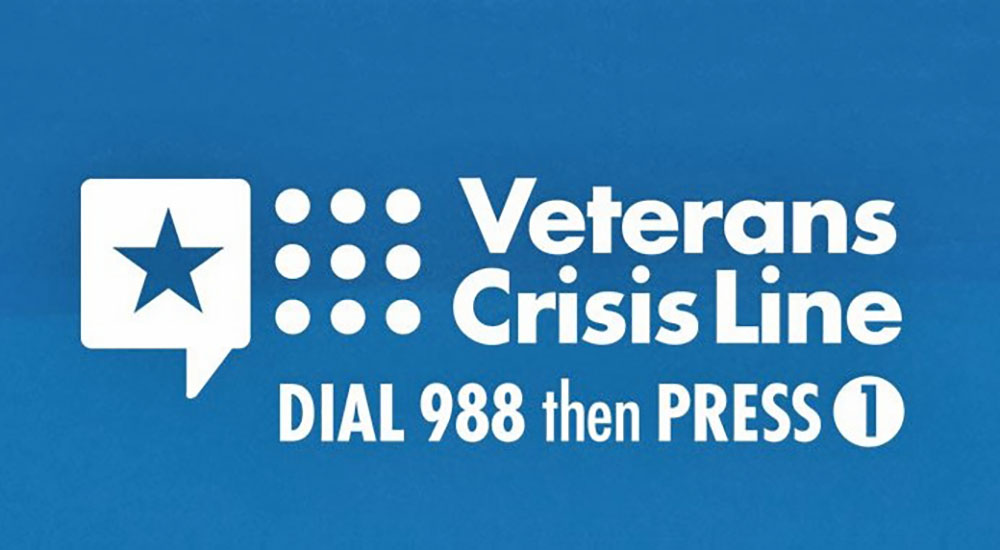
Through my research, I helped him connect with the Veterans Crisis Line (Source 2, Source 4). This is a specialized, confidential resource staffed by trained responders, many of whom are veterans themselves (Source 4).
- How to Access: Call 988, then press 1 (Source 2, Source 4). You can also send a text to 838255 or start a secure online chat (Source 2, Source 4).
- The Benefit: The service is completely free and available to all veterans, active-duty service members, National Guard, Reserve, and those who support them—even if they are not registered with the VA or enrolled in VA healthcare (Source 2).
2. Maternal Mental Health Support
When my close friend had her first child, she experienced a profound shift in her emotional well-being and mental health. She felt an overwhelming sense of worry, intrusive thoughts about the baby's safety, and intense guilt for not feeling "instantly happy."
I helped her find the National Maternal Mental Health Hotline (Source 4).
- How to Access: Call or text 1-833-TLC-MAMA (1-833-852-6262) (Source 4).
- What to Expect: This hotline provides 24/7, free, confidential support for pregnant women, postpartum mothers, and their loved ones. It is staffed by professional counselors who understand the complex hormonal, physical, and emotional changes that occur during and after pregnancy (Source 4).
3. Disaster Distress Support
After our community experienced a devastating flash flood that damaged several local homes, the collective stress was palpable. I noticed my own anxiety spikes whenever it started to rain.
During this time, I learned about the Disaster Distress Helpline, managed by the Substance Abuse and Mental Health Services Administration (SAMHSA) (Source 4).
- How to Access: Call or text 1-800-985-5990 (Source 2, Source 4).
- What to Expect: This line offers 24/7/365 immediate crisis counseling for anyone experiencing emotional distress related to any natural or human-caused disaster (Source 2, Source 4). It also provides translation services in more than 100 languages, making it highly accessible to diverse communities (Source 2).
Navigating Psychiatric Services: Finding Clinical Experts and Treatment Directories
While talk therapy and peer support groups provided me with incredible tools to manage my cognitive patterns, there came a point in my journey where my physiological symptoms of anxiety—specifically, daily chest tightness and chronic insomnia—remained incredibly disruptive.
My therapist suggested that I explore a psychiatric evaluation to see if medication could help lower my baseline anxiety enough for my coping skills to take root.
My Mistakes in Seeking Psychiatric Care
When I first started looking for a psychiatrist, I made several critical mistakes:
- Mistake 1: Relying on generic search engines. I spent hours typing "psychiatrist near me" into Google, which left me with a confusing list of outdated websites, disconnected phone numbers, and providers who did not accept my insurance.
- Mistake 2: Not verifying specialties. I scheduled an appointment with a general practitioner who, while well-meaning, spent less than ten minutes with me before writing a prescription without discussing a comprehensive, evidence-based treatment plan or potential side effects.
- Mistake 3: Fearing medication as a personal failure. I delayed scheduling my evaluation for months because I viewed needing medication as a sign that I wasn't "strong enough" to think my way out of anxiety.
How to Find Verified Clinical Experts
To correct my course, I turned to verified, professional directories that list licensed clinical experts specializing in anxiety disorders and depression (Source 5).
- The National Institute of Mental Health (NIMH) Directory: The NIMH provides an official, secure portal to help individuals locate qualified mental healthcare providers, clinical trials, and specialized treatment facilities (Source 2).
- The Anxiety and Depression Association of America (ADAA) Directory: The ADAA hosts a "Find a Therapist" directory that allows you to filter specifically for psychiatrists, psychologists, and clinical social workers who specialize in evidence-based treatments and various therapy options for panic disorder, GAD, OCD, and PTSD (Source 5).
What Happened During My First Psychiatric Evaluation
When I finally met with a licensed psychiatrist found through a verified clinical locator, the experience was vastly different from my initial attempt.
The evaluation lasted a full 60 minutes. The doctor conducted a thorough review of my physical health history, lifestyle, sleep hygiene, and family history of mental health conditions. They explained that medication was not a permanent "cure," but rather a tool to help regulate my nervous system while I continued my therapy sessions. Together, we decided on a low-dose medication, scheduled a follow-up appointment four weeks later to monitor side effects, and integrated this medical plan directly with my ongoing cognitive behavioral therapy.
The Pitfalls of "App-Only" Therapy: My Experience with Digital Mental Health Tools
In our highly digital world, it is incredibly tempting to download a highly rated mindfulness or therapy app and assume it will solve your anxiety. I fell into this trap hook, line, and sinker. At one point, my phone's home screen was cluttered with five different apps for meditation, mood tracking, and automated cognitive reframing.
What Happened When I Tried "App-Only" Recovery
For three months, I relied solely on these digital tools. While they were beautifully designed and offered quick bursts of relief, I noticed several distinct limitations:
- Lack of Accountability: When my anxiety made me want to avoid my thoughts, I simply ignored the app notifications. There was no real person on the other side to check in on me or challenge my avoidance behaviors.
- No Nuance or Personalization: An algorithm cannot understand the complex, messy realities of your personal relationships, childhood experiences, or unique workplace dynamics. The advice I received often felt generic and clinical.
- Symptom Masking: The apps helped me calm down during a panic attack, but they did not help me understand why the panic attacks were happening in the first place.
The Right Way to Use Digital Tools
I eventually discovered that digital mental health tools are incredibly valuable—but only when used as a complement to professional care, fostering a holistic mental health approach, not a replacement for it (Source 5).
Today, I still use a meditation app to guide my morning breathing exercises, and I use a digital mood tracker to note my daily anxiety levels. However, instead of keeping this data to myself, I export my monthly mood charts and bring them directly to my therapy sessions. This allows my therapist and me to spot patterns, identify specific triggers, and adjust my personalized care plan accordingly.
Navigating Mental Health Support in the Workplace: Fears, Realities, and How to Protect Yourself
One of the most significant sources of my chronic stress was my job. I spent months hiding my anxiety from my colleagues and manager. I would run to a private bathroom stall to practice deep breathing exercises during panic attacks, terrified that if anyone found out, I would be passed over for promotions or labeled as "unfit" for my role.
When the stress began affecting my physical health and productivity, I realized I had to address the situation. Here is the exact physical step-by-step process I used to navigate mental health support in the workplace without compromising my career:
Step 1: Utilize Your Employee Assistance Program (EAP)
Before speaking to my manager, I contacted my human resources department to ask about our Employee Assistance Program (EAP).
- The Reality: Most medium-to-large companies offer an EAP that provides employees with a set number of free, confidential counseling sessions (typically 3 to 6 per year).
- The Outcome: These sessions are completely confidential. Your employer is never notified that you used the service, nor are they given any details about what you discussed. It was the perfect, risk-free way for me to get immediate professional guidance on how to manage my workplace burnout.
Step 2: Review Your Health Insurance Mental Health Benefits
If you need long-term therapy beyond what your EAP provides, check your employer-sponsored health insurance plan. Major insurers like Aetna or Blue Cross often cover outpatient mental health services, including both in-person sessions and telehealth services via virtual care platforms like MinuteClinic Virtual Care (Source 3). Understanding your co-pays and deductible beforehand prevents financial stress from adding to your existing anxiety.
Step 3: Prepare for a Structured Conversation with HR or Your Manager
If you need reasonable accommodations to perform your job—such as a slightly adjusted schedule to attend therapy appointments, a quieter workspace, or clear written instructions to manage cognitive overload—you have the right to request them under the Americans with Disabilities Act (ADA).
When I spoke to my HR representative, I followed these rules to protect myself:
- Keep it professional and objective: I did not overshare my deepest personal struggles. Instead, I focused on the functional limitations of my condition (e.g., "I am currently managing a medical condition that impacts my sleep and focus in the mornings").
- Focus on solutions: I proposed a concrete, mutually beneficial solution (e.g., "To ensure my productivity remains high, I would like to adjust my core working hours from 9-5 to 10-6 so I can attend weekly medical appointments").
- Document everything: I followed up our conversation with a brief, polite email summarizing what we discussed and agreed upon, ensuring there was a clear paper trail of my request for accommodation.
To my immense relief, my company was highly supportive. Adjusting my schedule allowed me to attend therapy consistently, which ultimately made me a more focused, productive, and reliable employee.
References
-
Hhs — Mental Health and Substance Use Resources – Texas Health and Human Services, 2026
-
Nimh — Help for Mental Illnesses – National Institute of Mental Health … – NIMH, 2026
-
Cvs — Mental Health Counseling | MinuteClinic® – CVS, 2026
-
Cdc — Mental Health Resources | Mental Health | CDC, 2026
-
Adaa — Find Help for Anxiety and Depression, 2026
-
Mhanational — Finding Help – Mental Health America, 2026
-
Panicandanxiety — Support Groups – Panic and Anxiety Community Support, 2026
-
Neurolaunch — Free Mental Health Services: Support and Hotlines – NeuroLaunch.com, 2026