
For nearly a decade of my adult life, I operated under a dangerous, albeit common, delusion: if nothing hurts, nothing is wrong. I was the classic "doctor-avoider." I viewed medical clinics as places you only visited when you had a raging fever, a broken bone, or a cough that wouldn't quit. To me, a yearly checkup, or routine medical checkup, seemed like an unnecessary chore—a waste of a morning, a hit to my wallet, and an exercise in pure anxiety. I convinced myself that my clean track record, moderate diet, and occasional jog meant my body was running like a finely tuned machine.
Then came the year everything changed. It was a cold Tuesday morning when a mandatory workplace wellness initiative forced me to sit down with a primary care provider for a basic physical. I went in laughing it off, expecting a quick pat on the back and a clean bill of health. Instead, that single, routine appointment pulled back the curtain on a series of silent, creeping health issues I had absolutely no idea were developing inside my body.
My doctor quietly pointed out that my blood pressure was hovering in a dangerous zone, and my fasting blood sugar was sitting at a pre-diabetic baseline of 104 mg/dl—well above the normal, healthy range of 70–99 mg/dl. I was stunned. I felt perfectly fine. I had no symptoms, no pain, and no fatigue. That day, I learned a lesson that has guided my life ever since: your body does not always scream when something is going wrong; sometimes, it whispers so quietly that only a laboratory test can hear it.
As we navigate 2026, the landscape of preventive medicine has evolved rapidly, making proactive tracking, a cornerstone of disease prevention, more accessible and critical than ever before. If you are currently sitting on the fence, wondering if you should schedule that yearly physical, let me share my journey, the mistakes I made, the physical steps I now take every single year, and the undeniable benefits of annual health checkups for adults that saved my life.
The Silent Killers I Ignored (And How My First Checkup Caught Them)
When I first sat down in that sterile exam room, I didn't realize that I was part of a massive, hidden statistic. We often assume that serious illnesses announce themselves with dramatic symptoms. We expect chest pain before a heart issue, extreme thirst before diabetes, or severe headaches before hypertension. But the reality is far more insidious. Many of the most dangerous, chronic health conditions develop in complete silence, progressing quietly in the background without showing any clear warning signs until they have reached advanced, life-threatening stages. This highlights the crucial role of regular health risk assessment and a crucial aspect of the Benefits Of Annual Health Checkups For Adults.
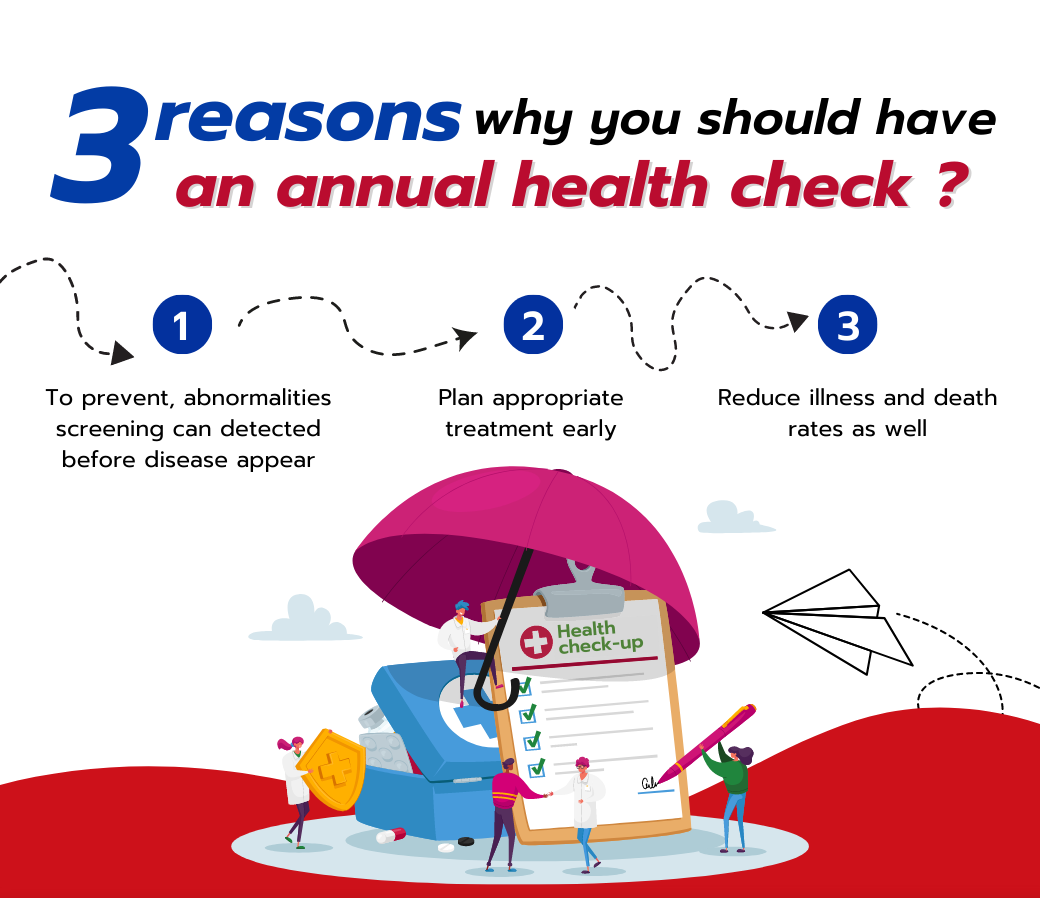
Take hypertension, for example. During my checkup, my doctor shared a statistic that chilled me to the bone: up to 30% of adults with high blood pressure are completely unaware they have it until they are screened during a routine physical. They are walking around, feeling energetic and healthy, while their arterial walls are undergoing constant, damaging pressure. Without a simple blood pressure cuff reading, this "silent killer" quietly damages the blood vessels, paving the way for sudden strokes, heart attacks, or kidney failure. This early detection and subsequent early intervention is a prime example of the Benefits Of Annual Health Checkups For Adults.
My own blood pressure reading was a wake-up call. Had I not walked into that clinic, I would have continued my high-sodium, high-stress lifestyle, completely oblivious to the ticking clock inside my cardiovascular system.
The same silent progression applies to type 2 diabetes and high cholesterol. When your fasting blood sugar begins to climb above the normal 70–99 mg/dl baseline, you don't feel a thing. There is no physical indicator that your insulin sensitivity is slipping away. By the time symptoms like extreme fatigue, frequent urination, or blurred vision actually manifest, the disease has often already taken hold, causing microvascular damage to your eyes, nerves, and kidneys.
By catching my elevated blood sugar at 104 mg/dl during a routine lab test, my doctor and I were able to intervene immediately, initiating a personalized health plan. We didn't need to start aggressive medications; instead, we adjusted my nutrition, optimized my physical activity, and monitored my blood work closely. A year later, my fasting blood sugar had dropped back down to a stable 88 mg/dl. That is the power of early detection, and a clear demonstration of the Benefits Of Annual Health Checkups For Adults.
Why Preventive Care Is Actually a Financial Investment, Not an Expense
For years, my primary excuse for skipping my yearly physical was financial. I didn't want to deal with copays, diagnostic deductibles, or the potential cost of lab work. I viewed medical care through a purely reactive lens: why spend money today when I feel perfectly fine?
What I failed to realize—and what my bank account eventually learned the hard way—is that preventive healthcare, including regular wellness visits, is the single most cost-effective financial decision you can make for your long-term future. This financial prudence is one of the significant Benefits Of Annual Health Checkups For Adults.
Think of your body like a car. If you refuse to spend $50 on regular oil changes and basic maintenance because you want to "save money," you will eventually find yourself stranded on the side of the highway with a seized engine and a $5,000 repair bill. In the medical world, that seized engine is an emergency room visit, a sudden hospitalization, or a complex, chronic illness requiring lifelong specialized care.
When you invest in an annual health checkup, you are paying a minor, predictable cost upfront to completely bypass the astronomical expenses of reactive, emergency-based medicine. This proactive financial protection is a core aspect of the Benefits Of Annual Health Checkups For Adults. Treating early-stage, asymptomatic hypertension with basic lifestyle modifications and affordable, generic medication costs pennies compared to the devastating financial (and physical) toll of recovering from an unexpected stroke or managing end-stage heart disease.
Furthermore, in 2026, many health insurance plans and wellness programs fully cover preventive care visits with zero out-of-pocket costs to the patient. They do this because they know the data: it is vastly cheaper to keep a patient healthy through routine screenings than it is to treat an advanced illness. By skipping your checkup, you aren't saving money; you are simply deferring a much larger, far more painful bill down the road. Understanding these financial advantages is key to appreciating the full Benefits Of Annual Health Checkups For Adults.
My Hard-Learned Blueprint for Preparing for an Annual Full-Body Checkup
When I finally committed to making annual health checkups a non-negotiable part of my life, I made a lot of rookie mistakes. I assumed you could just roll out of bed, walk into the clinic, and get accurate results. I was wrong. My first few attempts at lab work were absolute disasters because I didn't understand how my immediate pre-appointment behavior could wildly distort my biological markers.
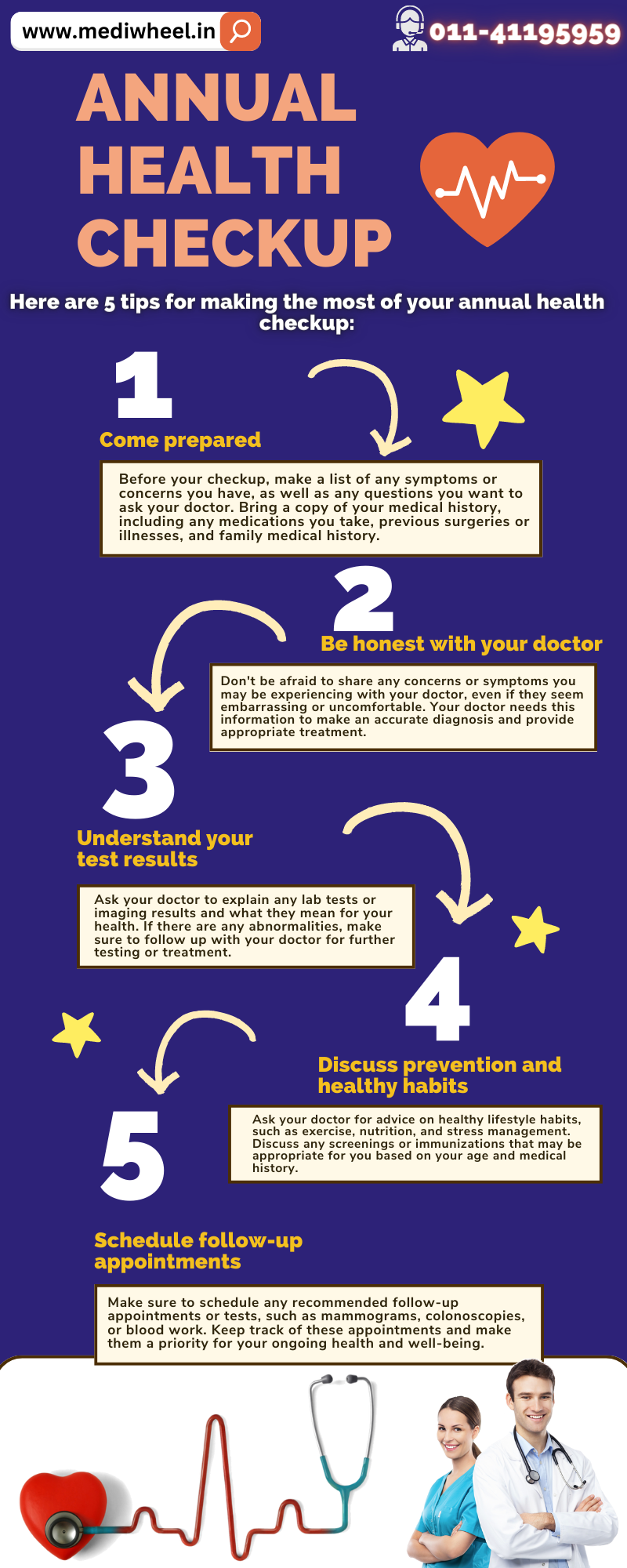
Here is the exact physical checklist and preparation strategy I have developed over the years to ensure my annual exams, which are essentially a comprehensive physical exam, are as accurate, stress-free, and productive as possible, maximizing the Benefits Of Annual Health Checkups For Adults:
1. The 8-Hour Fasting Rule
If your doctor has ordered a lipid panel (to check cholesterol) or a fasting blood sugar test, you must fast for at least 8 hours before your blood draw.
- What I did wrong: During my second annual checkup, I chewed a couple of pieces of sugary mint gum on my drive to the clinic, thinking nothing of it. That tiny amount of sugar caused a temporary spike in my blood glucose, leading to an alarmingly high reading that required me to come back a week later for a re-test.
- What to do: Consume absolutely nothing but plain, unflavored water for the 8 hours leading up to your blood draw. No coffee (even black coffee can sometimes alter metabolic markers or dehydrate you), no tea, no juice, and definitely no gum.
2. The 24-Hour Alcohol Ban
Alcohol can temporarily disrupt your liver enzymes, alter your triglyceride levels, and affect your hydration status.
- What I did wrong: Once, I went out for a couple of casual craft beers with friends the night before my physical. The next morning, my liver function tests came back slightly elevated, causing a week of unnecessary panic and a round of repeat blood work.
- What to do: Commit to a strict 24-hour alcohol-free window before your appointment to ensure your baseline liver and metabolic markers are completely clean and accurate.
3. Hydrate Obsessively
Being dehydrated makes your blood volume drop, which can make your veins collapse and turn a simple blood draw into a painful, multi-poke nightmare for the phlebotomist. It can also artificially elevate certain markers in your complete blood count (CBC) or kidney function tests.
- What to do: Drink plenty of plain water the day before and the morning of your exam. Your veins will be plump, easy to find, and the blood draw will be over in a matter of seconds.
4. Document Your Personal Health Log
Never walk into a doctor's office expecting to remember everything on the fly. When the doctor asks, "Have you noticed any changes lately?" your mind will almost certainly go completely blank.
- What to do: Keep a running note on your phone throughout the year. Jot down any unusual symptoms, changes in sleep patterns, unexplained joint pain, or digestive shifts.
- Bring your bottles: Always bring a physical list—or better yet, the actual bottles—of every single prescription medication, over-the-counter drug, and dietary supplement you take daily. This allows your doctor to perform a comprehensive medication review to check for dangerous drug interactions or redundant dosages, another of the often-overlooked Benefits Of Annual Health Checkups For Adults.
The Core Components of an Annual Exam: A Complete Walkthrough
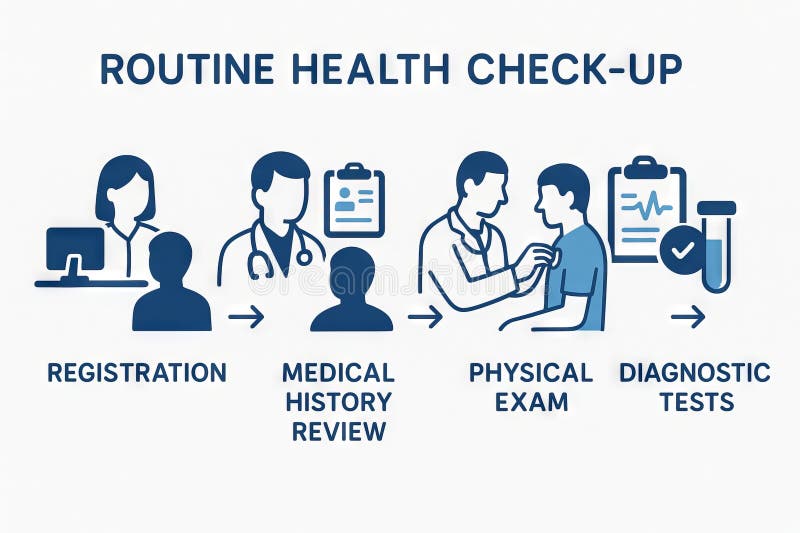
If you haven't had a physical exam in years, the prospect of walking into a clinic can feel intimidating. To demystify the process, let me walk you through exactly what happens during a comprehensive annual health checkup, breaking down the physical assessments and essential health screenings and lab tests that serve as your body's yearly progress report, and highlighting the profound Benefits Of Annual Health Checkups For Adults.
The Vital Signs Baseline
Before you even see your primary care physician, a nurse or medical assistant will establish your physical baseline. These simple, non-invasive measurements offer immediate clues about your cardiovascular and metabolic status, contributing significantly to the Benefits Of Annual Health Checkups For Adults:
- Height, Weight, and Body Mass Index (BMI): While BMI is not a perfect measure of health, tracking changes in your weight and body composition over time helps your doctor spot unhealthy trends, such as sudden weight gain (which can strain the cardiovascular system) or unexplained weight loss.
- Blood Pressure: Using an inflatable cuff, the clinical team will measure the pressure inside your arteries during heartbeats (systolic) and rest periods (diastolic). A normal reading is typically under 120/80 mmHg.
- Heart Rate and Temperature: Your resting heart rate (ideally between 60–100 beats per minute) can indicate your level of physical fitness, cardiovascular efficiency, or the presence of underlying infections or thyroid issues.
The Crucial Laboratory Panels
Once your vitals are logged, the laboratory tests begin. These blood and urine analyses act as a microscopic window into your internal organs, catching metabolic and systemic shifts long before they manifest as physical symptoms, which is a primary reason for the Benefits Of Annual Health Checkups For Adults and crucial for effective chronic disease management.
+---------------------------+------------------------------------+---------------------------------------+
| Lab Test Name             | What It Screen For                 | Why It Matters to You                 |
+---------------------------+------------------------------------+---------------------------------------+
| Complete Blood Count (CBC)| Anemia, chronic infections,        | Evaluates red/white blood cells and   |
|                           | blood clotting disorders           | overall immune system health          |
+---------------------------+------------------------------------+---------------------------------------+
| Fasting Blood Sugar (FBS) | Prediabetes, Type 2 Diabetes       | Establishes baseline glucose;         |
|                           |                                    | normal range is 70–99 mg/dl           |
+---------------------------+------------------------------------+---------------------------------------+
| Lipid Panel               | HDL, LDL, Triglycerides,           | Assesses cardiovascular disease and   |
|                           | Total Cholesterol                  | stroke risk factors                   |
+---------------------------+------------------------------------+---------------------------------------+
| Liver & Kidney Panels     | Hepatic enzymes, creatinine,       | Monitors how your body filters waste  |
|                           | glomerular filtration rate (GFR)   | and processes medications             |
+---------------------------+------------------------------------+---------------------------------------+
| Urinalysis                | Urinary tract infections, kidney   | Detects early cellular signs of       |
|                           | disease, metabolic issues          | renal stress or systemic disease      |
+---------------------------+------------------------------------+---------------------------------------+
Let's look at these panels in closer detail:
- Complete Blood Count (CBC): This is the foundational blood test. By measuring your red blood cells, white blood cells, and platelets, the CBC can immediately detect conditions like anemia (which causes chronic, unexplained fatigue), underlying immune system activation from a hidden infection, or blood clotting abnormalities.
- Fasting Blood Sugar / HbA1c: This test measures the amount of glucose circulating in your bloodstream after fasting. Your HbA1c test provides an even broader picture, showing your average blood sugar levels over the past two to three months. This is the gold standard for catching pre-diabetes early enough to reverse it, showcasing one of the most critical Benefits Of Annual Health Checkups For Adults.
- Lipid Profile: This measures your total cholesterol, high-density lipoprotein (HDL, the "good" cholesterol), low-density lipoprotein (LDL, the "bad" cholesterol), and triglycerides. High levels of LDL cholesterol can lead to a silent buildup of plaque in your arteries, dramatically increasing your risk of heart attacks. Early detection through a lipid profile is a significant part of the Benefits Of Annual Health Checkups For Adults.
- Kidney and Liver Function Tests: These panels measure specific enzymes and waste products (like creatinine and bilirubin) in your blood. They tell your doctor how effectively your liver and kidneys are filtering toxins, processing nutrients, and managing the medications you consume.
- Urinalysis: A quick chemical and microscopic analysis of a urine sample can reveal silent kidney disease, early signs of diabetes (if glucose is spilling into the urine), or asymptomatic urinary tract infections.
Gender and Age-Specific Screenings: What Changes as We Turn 30, 40, and 50
As my doctor dryly pointed out to me during my mid-30s checkup, our medical needs are not static. The screening checklist that kept you safe at age 22 is simply not comprehensive enough to protect you when you cross into your 40s and 50s. As our cellular aging progresses, our statistical risk for specific chronic diseases and cancers rises, requiring us to add targeted, age- and gender-specific screenings to our annual health checkup list, further expanding the Benefits Of Annual Health Checkups For Adults and supporting long-term disease prevention.
Crucial Screenings for Women
For women, preventive care must expand significantly as they transition through different life stages, underscoring the tailored Benefits Of Annual Health Checkups For Adults:
- Cervical Cancer Screening (Pap Smear & HPV Testing): Typically starting in their 20s and continuing through their 60s, women should receive regular Pap smears and Human Papillomavirus (HPV) tests to detect precancerous cellular changes in the cervix early, when they are highly treatable.
- Breast Cancer Screening (Mammograms): While self-exams are valuable, clinical breast exams and mammograms are critical for catching tiny, deep-tissue tumors before they can be physically felt. Most medical guidelines recommend that women discuss starting annual or biennial mammograms at age 40, or earlier if they have a family history of breast cancer. This proactive screening is one of the life-saving Benefits Of Annual Health Checkups For Adults.
- Bone Density Scans (DEXA): As women transition through menopause, a drop in estrogen levels can cause rapid bone loss, leading to osteoporosis. A DEXA scan measures bone mineral density, helping prevent devastating hip and spinal fractures.
Essential Screenings for Men
Men often face unique cardiovascular and reproductive health risks that require targeted, proactive monitoring, which is why specific screenings are among the crucial Benefits Of Annual Health Checkups For Adults:
- Prostate Cancer Screening: Starting around age 45 to 50, men should discuss the benefits and risks of Prostate-Specific Antigen (PSA) blood tests and digital rectal exams with their doctors. Early-stage prostate cancer often presents with zero urinary symptoms, making screening the only reliable way to catch it. This early detection is a key component of the Benefits Of Annual Health Checkups For Adults.
- Abdominal Aortic Aneurysm Screening: For men aged 65 to 75 who have ever had a history of smoking, a one-time ultrasound screening for an abdominal aortic aneurysm is highly recommended, as a rupture of this major blood vessel is almost always fatal.
- Advanced Cardiovascular Screenings: Because men statistically develop coronary artery disease earlier in life than women, doctors may recommend more frequent lipid panels, electrocardiograms (ECGs), or calcium scoring tests starting in their 40s.
The 45-Year Milestone: Colorectal Cancer Screening
Regardless of your gender, reaching the age of 45 is a major milestone in preventive medicine. This is the age at which routine colorectal cancer screenings should begin for average-risk adults, adding another layer to the Benefits Of Annual Health Checkups For Adults.
I watched a close family member ignore their screening recommendations, believing that a lack of digestive issues meant they were perfectly safe. By the time they finally had a colonoscopy due to sudden symptoms, the disease had advanced.
The tragedy is that colorectal cancer is one of the most preventable cancers in existence. When you undergo a screening—whether through a modern, non-invasive stool-based DNA test or a traditional colonoscopy—your doctor can physically identify and remove precancerous polyps before they ever have the chance to transform into malignant tumors. This preventative power is a testament to the Benefits Of Annual Health Checkups For Adults.
The statistics are undeniable: initiating colorectal cancer screening at age 45 cuts disease-specific mortality by roughly 60%. It is a temporary discomfort that buys you decades of life.
Updating Your Internal Defense: Vaccines, Booster Shots, and Medication Reviews
An annual health checkup is not just about looking backward at your past health; it is about building an active defense system for your future. One of the most overlooked benefits of these routine visits is the opportunity to update your immunizations and critically evaluate your daily chemical intake, which are significant Benefits Of Annual Health Checkups For Adults.
The Tdap Booster and Waning Immunity
Many adults mistakenly believe that the vaccines they received during childhood provide lifelong, permanent protection. However, our immune systems have a natural "forgetfulness" over time. Our antibody levels slowly decline, leaving us vulnerable to highly contagious diseases that we thought we were done worrying about.
A prime example is the Tdap booster, which protects against tetanus, diphtheria, and pertussis (whooping cough).
- The Rule: Adults require a Tdap booster every 10 years to maintain active, protective immunity.
- The Reality: During my annual checkup, my doctor looked at my immunization registry and realized my last tetanus shot was when I scraped my knee in high school, nearly 15 years prior. We updated it on the spot. Had I stepped on a rusty nail or been exposed to whooping cough, my immune system would have been completely unprepared to fight off the infection.
Your annual exam is also the perfect time to receive your annual flu shot, updated COVID-19 formulations, or vaccines for pneumonia and shingles if you meet the age or risk-factor criteria, further solidifying the Benefits Of Annual Health Checkups For Adults.
The Vital Importance of a Medication Review
If you take multiple prescription medications, over-the-counter drugs, or dietary supplements, you are engaging in a complex daily chemical experiment inside your body. Over time, your organ function changes, your weight fluctuates, and your diet shifts—all of which can alter how your body processes these substances.
During an annual health checkup, your primary care provider will perform a comprehensive medication review. This simple process can prevent a host of avoidable health problems, highlighting another of the practical Benefits Of Annual Health Checkups For Adults and aiding in chronic disease management:
- Identifying Redundancies: You might be taking two different supplements or over-the-counter medications that contain the same active ingredient, putting unnecessary strain on your liver or kidneys.
- Spotting Dangerous Interactions: Some herbal supplements can violently interact with prescription drugs. For instance, taking St. John's Wort while on certain antidepressants can cause a life-threatening condition called serotonin syndrome.
- Adjusting Dosages: If your lifestyle changes have successfully lowered your blood pressure or blood sugar, your doctor may be able to safely reduce your medication dosages or eliminate certain prescriptions entirely. Such adjustments are among the personalized Benefits Of Annual Health Checkups For Adults.
Beyond the Physical: Why I Now Discuss Mental Health and Lifestyle with My Doctor
When I first started getting annual physicals, I assumed the appointment was strictly about my physical body—my blood, my organs, my joints, and my vitals. I kept my mouth shut about everything else. I didn't mention that my high-stress job was keeping me awake until 3:00 AM, that my anxiety was spiraling, or that my diet had degenerated into late-night takeout and energy drinks.
It took a compassionate, observant doctor to break through my silence. During one of my checkups, as she listened to my slightly elevated heart rate, she looked me in the eyes and asked a simple, disarming question: "How is your mind holding up under all this stress?"
That question changed how I viewed medicine. The mind and the body are not separate, isolated entities; they are deeply interconnected systems. Chronic stress, untreated depression, and severe sleep deprivation do not just exist in your head—they manifest physically. They elevate your cortisol levels, spike your blood pressure, disrupt your gut microbiome, weaken your immune system, and accelerate cardiovascular disease. Addressing these holistic aspects is one of the profound Benefits Of Annual Health Checkups For Adults.
According to guidelines supported by the Centers for Disease Control and Prevention (CDC), preventive health visits are a critical, safe opportunity to screen for mental health concerns, including depression, generalized anxiety disorder, and substance use. This mental health screening is a vital part of the Benefits Of Annual Health Checkups For Adults.
During my yearly exam, my clinician doesn't just look at my lab values; we actively adjust my lifestyle, nutrition, and stress-management plans based on those numbers. As the medical team at Eureka Health beautifully puts it: "One well-timed visit can replace months of guesswork."
Instead of self-diagnosing my fatigue or trying random, expensive supplements I found online, my doctor and I sit down and look at the hard data. We trace my fatigue back to a combination of mild vitamin D deficiency and poor sleep hygiene, creating a targeted, evidence-based personalized health plan to get my energy back. This personalized lifestyle guidance is what turns a dry medical exam into an empowering tool for daily well-being, truly embodying the comprehensive Benefits Of Annual Health Checkups For Adults.
The Red Flags That Mean You Cannot Wait for Your Next Yearly Visit
While committing to an annual health checkup is a vital foundation for long-term health, it is equally important to understand that a yearly physical is not a shield of invincibility. You cannot ignore alarming physical changes just because your checkup six months ago came back clean. This section, however, emphasizes that understanding the limitations of even the extensive Benefits Of Annual Health Checkups For Adults and the need for timely early intervention is crucial.
Your body is dynamic, and rapidly progressing illnesses can develop at any time. If you experience any of the following warning signs, do not wait for your next scheduled annual exam—contact your healthcare provider to schedule an immediate evaluation:
1. Unintended Weight Change of Over 10 Pounds in 3 Months
If you have dropped or gained a significant amount of weight without making any deliberate changes to your diet, exercise routine, or lifestyle, this is a major warning sign.
- What it could mean: Sudden, unexplained weight loss can point to an overactive thyroid gland (hyperthyroidism), undiagnosed type 1 or type 2 diabetes, gastrointestinal malabsorption issues, or underlying malignancies. Conversely, sudden, rapid weight gain can be a sign of severe fluid retention associated with congestive heart failure or kidney dysfunction.
2. A Resting Heart Rate Consistently Above 100 Beats Per Minute
While your heart rate naturally spikes during exercise, stress, or after a cup of coffee, your resting heart rate should return to a stable baseline between 60–100 beats per minute.
- What it could mean: Persistent resting tachycardia (a heart rate over 100 bpm) warrants an electrocardiogram (ECG) within a matter of days. It can signal underlying cardiac arrhythmias, severe anemia, thyroid storm, or a hidden systemic infection that requires immediate medical intervention.
3. A Systolic Blood Pressure Reading Over 180 mmHg
If you own a home blood pressure monitor and obtain a reading where the top number (systolic) is over 180 mmHg, do not wait to see if it goes down on its own.
- What it could mean: A systolic reading in this extreme range is considered a hypertensive crisis. As medical experts note, severely elevated readings in this range can triple your risk of a stroke within a single week. If you get this reading, rest for five minutes and test again. If it remains over 180 mmHg, seek immediate medical care.
4. New Chest Pressure, Tightness, or Jaw Pain on Exertion
Never dismiss discomfort in your upper body as simple acid reflux or a pulled muscle, especially if it occurs when you are physically active.
- What it could mean: Chest pressure, tightness, a squeezing sensation, or pain radiating into your left arm, neck, or jaw are classic "angina equivalents." They indicate that your heart muscle is not receiving enough oxygen-rich blood, signaling an impending heart attack. This requires emergency medical evaluation—not a scheduled clinic visit.
How to Build a Trusting Relationship with Your Primary Care Provider
The true, hidden value of an annual health checkup goes far beyond the physical exams and the laboratory panels. The most important asset you build during these yearly visits is a trusted, ongoing relationship with your primary care provider, which is one of the most significant Benefits Of Annual Health Checkups For Adults.
When you only visit a doctor when you are desperately sick, you are interacting with a stranger during a moment of high stress and vulnerability. They do not know your baseline. They do not know what you look like when you are healthy, how you naturally respond to stress, or what your personal health goals are. They are simply trying to treat your acute symptoms and get you out the door.
By showing up once a year for a routine, preventive checkup, you allow your clinician to establish a clear, documented benchmark of your health. This continuity of care is a cornerstone of the Benefits Of Annual Health Checkups For Adults.
- They get to know your normal blood pressure trends.
- They track your weight changes over a five-year span.
- They understand your family history and your unique lifestyle challenges.
This baseline data is invaluable. When you eventually do get sick, your doctor doesn't have to guess. They can look at your historical trends and immediately spot when a lab value has deviated from your personal normal, even if that value technically still falls within the broad "standard" reference range of the laboratory, further illustrating the Benefits Of Annual Health Checkups For Adults.
Furthermore, having a primary care provider who knows and respects you makes it infinitely easier to navigate the complex healthcare system. If you ever require a specialist—whether for a joint replacement, a complex digestive issue, or a mental health concern—your primary doctor acts as your central coordinator, guiding you to trusted specialists and ensuring your care is seamless, cohesive, and safe. This guidance and coordination are among the practical Benefits Of Annual Health Checkups For Adults.
References
-
Mgshospital — 10 Health Checkups Every Adult Should Get Annually, highlighting the Benefits Of Annual Health Checkups For Adults, 2026
-
Medanta — Why is an Annual Regular Health Check-up Important?, detailing the Benefits Of Annual Health Checkups For Adults, 2026
-
Hola — Annual Health Checks For Adults – A Guide to the Benefits Of Annual Health Checkups For Adults, 2026
-
Medicalofficeofkaty — Importance of Annual Health Checkups for Adults, outlining the Benefits Of Annual Health Checkups For Adults, 2026
-
Eurekahomehealthcare — Annual Health Check-Ups: Benefits, Importance & What to Expect, focusing on the Benefits Of Annual Health Checkups For Adults, 2026
-
Eurekahealth — Why do I need regular check-ups and how often should I get them?, exploring the Benefits Of Annual Health Checkups For Adults, 2026
-
Unityhealth — Why Annual Health Checkups Are Important for Adults, emphasizing the Benefits Of Annual Health Checkups For Adults, 2026
-
4doctors — Annual Physical Exams: Do They Really Benefit Healthy Adults?, discussing the Benefits Of Annual Health Checkups For Adults, 2026