
For years, I treated my immune system like a passive background app on a smartphone—something that just "ran" without me needing to look at it. I assumed that as long as I wasn't actively bedridden, I was doing fine. I was wrong. It wasn't until I hit a wall of back-to-back colds and persistent fatigue that I realized my "background app" was crashing.
The immune system is not just a single organ; it is a complex, interconnected network of cells, tissues, and organs. Think of it as your body’s internal security force, constantly patrolling for invaders like viruses and bacteria. In 2026, the guidance is clearer than ever: maintaining this system isn't about finding a "magic pill." It is about cultivating resilience through consistent, daily habits.
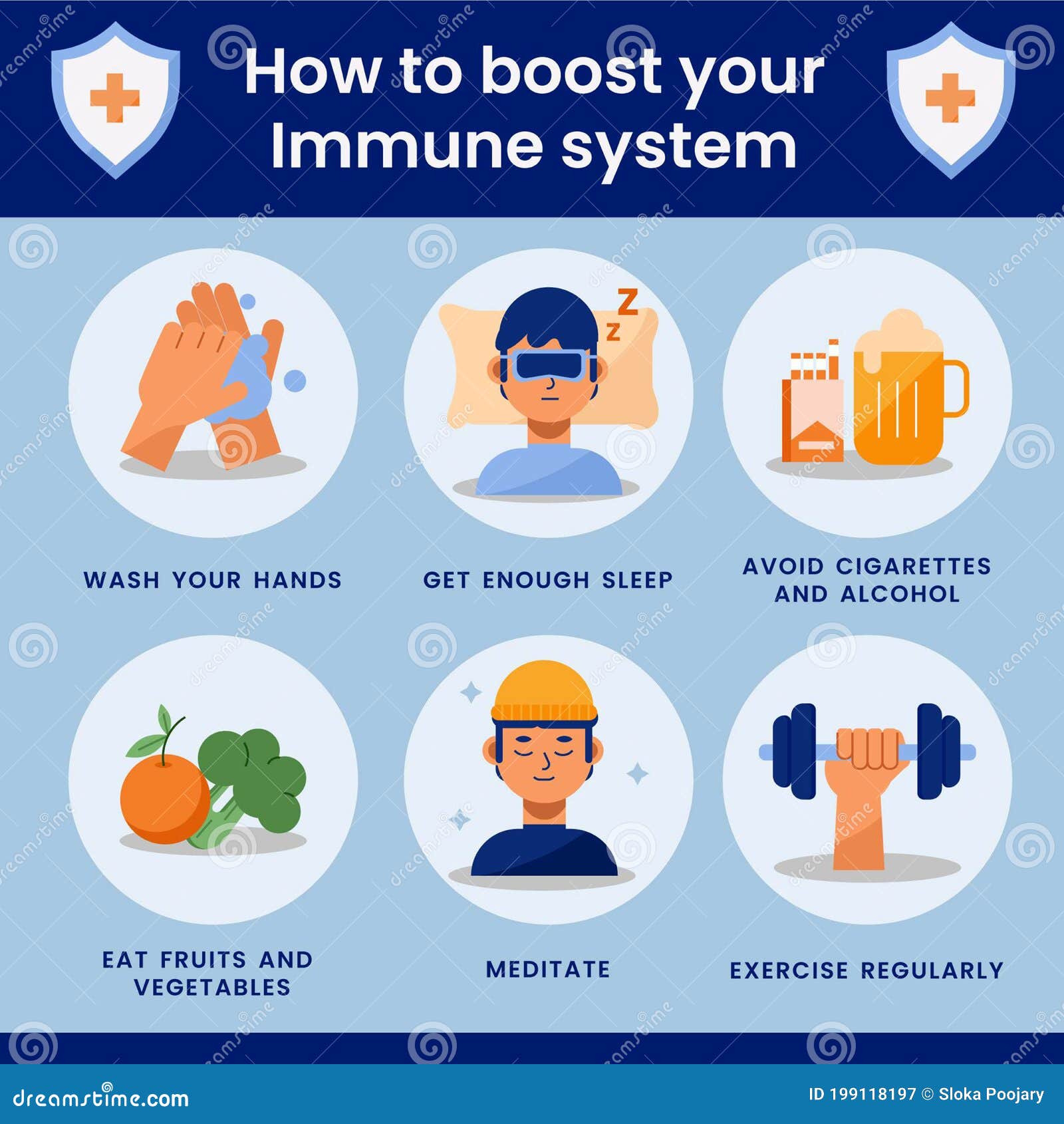
The Foundation: Why Nutrition is Your First Line of Defense
I used to think "eating well" meant counting calories, but I discovered that for immunity, it’s about nutrient density. When I started prioritizing whole foods, I noticed a shift in my energy levels within weeks. Your immune system requires a steady supply of fuel to function correctly, and that fuel comes from the diversity of your diet.
Prioritizing Whole Foods
The goal is to emphasize a wide range of nutrients. My daily routine now centers on:
- Vegetables and Fruits: These provide the vitamins and minerals needed to keep immune cells functioning.
- Protein Sources: Essential for building and repairing tissues.
- Healthy Fats: Crucial for reducing inflammation.
- Whole Grains: Provide the sustained energy your body needs to stay on alert.
When I limited my intake of processed sugars and focused on these food groups, I found that my body felt less "stressed" by the daily grind. Remember, what you eat is essentially instruction for your cells. Every meal tells your body how to respond to the environment around you.
Movement as Medicine: How Exercise Shapes Immunity
I’ll be honest: there were months where my exercise routine consisted solely of walking from my desk to the kitchen. I assumed that if I wasn't training for a marathon, it didn't matter. I learned the hard way that regular physical activity is non-negotiable for immune health.
Finding the Balance in Intensity
Studies have shown that regular exercise can significantly lower your risk of chronic diseases, including obesity and type 2 diabetes. When I started incorporating 150 minutes of moderate-intensity aerobic exercise—mostly brisk walking—I noticed I wasn't just getting sick less often; I was recovering faster when I did.
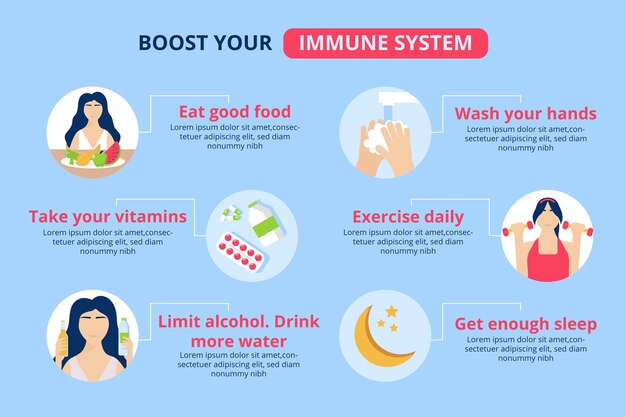
- The 150-Minute Rule: Aim for 150 minutes of moderate activity or 75 minutes of high-intensity activity per week.
- Strength Training: Don't skip the weights! Two sessions a week fortify your bones and muscles. I found that adding strength training actually helped me feel more "protected" against the daily stressors that used to leave me feeling drained.
- The Power of Nature: I started taking my walks outside. There is something about being in nature that lowers cortisol, and since stress negatively impacts the immune system, this simple change became a cornerstone of my health.
The Silent Regulator: Sleep and Stress Management
If nutrition is the fuel, sleep is the maintenance crew. I used to pride myself on pulling "all-nighters," thinking I was being productive. In reality, I was stripping my immune system of the time it needed to perform its most critical repairs.
Why Sleep is Non-Negotiable
Sleep and immunity are inextricably linked. When you are sleep-deprived, your body struggles to produce the cytokines—proteins that target infection and inflammation—that you need to stay healthy. I noticed that when I prioritized seven to eight hours of quality sleep, my ability to handle the "invaders" of daily life, like seasonal allergies or minor colds, improved dramatically.
Managing the Stress Response
Stress is the hidden enemy. When I’m stressed, I feel it physically—my sleep suffers, I reach for junk food, and I become more susceptible to illness.
- Mindfulness: Even five minutes of intentional breathing can help shift your nervous system.
- Physical Activity: As mentioned earlier, exercise helps burn off the excess stress hormones that accumulate during a busy day.
- The Big Picture: Recognize that your thoughts and your environment are just as important as your diet. A high-stress lifestyle will eventually wear down even the healthiest diet.
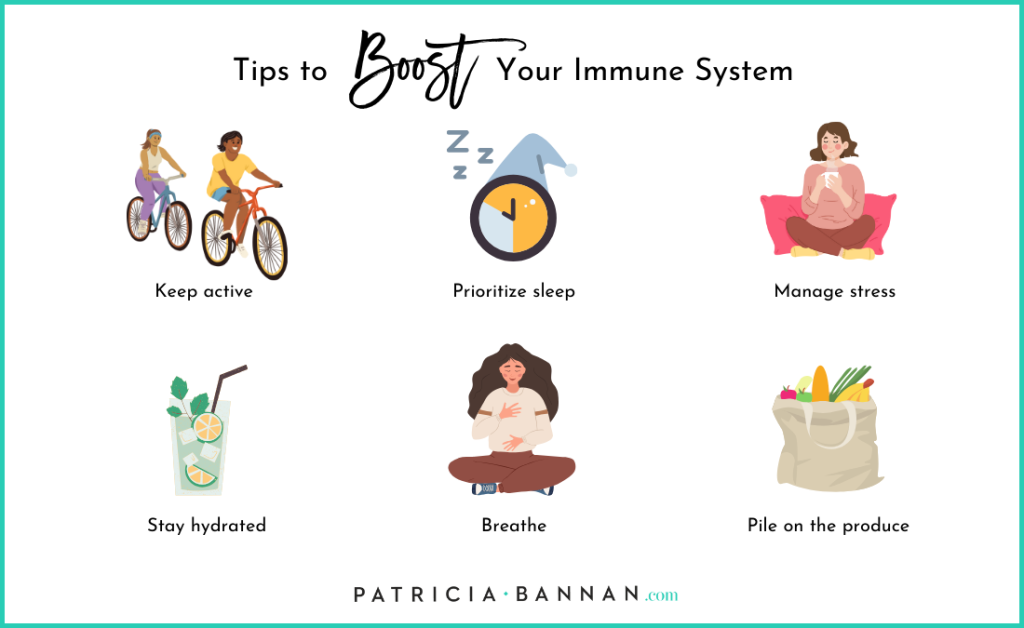
The Role of Vaccines and Preventive Care
There is a lot of talk about "natural" ways to boost immunity, and while those are vital, we cannot ignore the science of preventive medicine. Vaccines, such as the flu shot, are like training manuals for your adaptive immune system. They teach your B cells and T cells how to recognize and neutralize specific pathogens without you having to suffer through the actual illness.
Making Science Your Ally
I used to be skeptical of regular check-ups, but I’ve changed my tune. By staying up to date with recommended screenings and vaccinations, I am essentially giving my immune system a head start. It’s not about fear; it’s about empowerment. Knowing that my system has the "memory" to fight off common threats allows me to focus on living my life rather than worrying about the next bug going around the office.
Vitamin D: The Often Overlooked Key
If there is one thing I’ve added to my regimen in 2026 that has made a noticeable difference, it’s keeping an eye on my Vitamin D levels. It plays a critical role in immune function, and many of us, especially those who spend a lot of time indoors, are deficient. I started consulting with my doctor to ensure I was getting the right amount, and it’s become a key pillar of my daily health strategy. Don't just guess—get tested and see where you stand.
The Impact of Hydration on Cellular Communication
For a long time, I treated water like an afterthought—something I’d sip only when my throat felt parched. I didn't realize that my cells were essentially crying out for support. Hydration is not just about quenching thirst; it is the primary delivery system for your immune cells. When you are properly hydrated, your blood volume remains optimal, allowing your white blood cells and antibodies to travel efficiently throughout your body to reach the site of an infection or inflammation.
The Science of Fluid Dynamics
I found that when I started carrying a reusable water bottle everywhere, my susceptibility to "brain fog" and mid-afternoon slumps vanished. Research suggests that maintaining adequate hydration supports the mucous membranes in your respiratory tract, which act as a physical barrier against pathogens [Source 1]. If those membranes are dry, they are far less effective at trapping bacteria and viruses.
- Consistency over quantity: Instead of chugging a liter at once, I learned to sip throughout the day to keep my internal systems consistently bathed in fluids.
- The "Clear" Metric: I started using the color of my urine as a simple, free, and immediate diagnostic tool to gauge my hydration status.
- Avoid the Sugar Trap: I used to reach for sodas or sweetened teas, but I discovered that excessive sugar intake can actually trigger inflammation and impede the very immune response I was trying to protect [Source 1].
Alcohol and the Immune System: A Personal Reckoning
This was the hardest change for me to make. I used to view a glass of wine at dinner or a weekend cocktail as a way to "decompress" from work. However, when I looked closer at the data, I realized that my social habits were actively undermining my body’s defenses. Alcohol, even in moderate amounts, can disrupt the gut microbiome and impair the function of immune cells in the lungs and throughout the body [Source 1].
My Experience with the "Alcohol Reset"
I decided to take a thirty-day break from alcohol to see if it would impact my health. The results were startling. Within two weeks, my sleep quality improved significantly, and the persistent, low-level congestion I had dealt with for years began to clear up.
- Increased Vulnerability: I learned that alcohol consumption can dampen the body’s ability to mount an effective defense against common viruses [Source 2].
- Nutrient Depletion: Alcohol interferes with the absorption of essential nutrients like Vitamin B and Zinc, both of which are critical for maintaining a robust immune response.
- The Inflammatory Response: I realized that the "hangover" feeling wasn't just dehydration; it was my body dealing with systemic inflammation caused by the toxins in alcohol.
The Gut Microbiome: Where Immunity Begins
I was shocked to learn that nearly 70% to 80% of the immune system resides in the gut. For years, I had been focusing on the outside—washing my hands and taking vitamins—while ignoring the internal ecosystem that does the heavy lifting. Your gut microbiome is a complex community of bacteria that helps "train" your immune system to distinguish between harmful invaders and harmless substances.
Cultivating a Healthy Inner Garden
I started incorporating fermented foods into my diet, and the change in my digestive comfort was almost immediate. It turns out that a diverse gut leads to a more vigilant immune system [Source 3].
- Probiotics vs. Prebiotics: I learned that probiotics (found in yogurt, kefir, and sauerkraut) introduce healthy bacteria, while prebiotics (found in fiber-rich foods like garlic, onions, and bananas) feed those bacteria.
- Diversity is Key: I made a point to rotate my vegetable sources every week. Eating the same three vegetables all the time was limiting the variety of microbes in my gut.
- The Sugar Connection: I found that when I binged on highly processed, sugary foods, my digestion became sluggish, and I felt "off" for days—a clear sign that my microbiome was struggling to keep the balance.
Managing the "Invisible" Stressors
We often think of stress as a mental state, but in 2026, we understand it as a physiological event. When I am stressed, my body releases cortisol, a hormone that, while helpful in short bursts, suppresses the immune system when levels remain chronically elevated [Source 3]. My discovery was that managing stress isn't a luxury; it’s a medical necessity.
Practical Steps for Cortisol Control
I used to think that "relaxing" meant watching TV, but I found that didn't actually lower my stress markers. I had to get more intentional.
- Box Breathing: I started using a simple technique—inhaling for four counts, holding for four, exhaling for four, and holding for four. It forces my nervous system to switch from "fight or flight" to "rest and digest."
- Digital Boundaries: I noticed that checking my phone first thing in the morning sent my cortisol levels spiking. Now, I keep my phone in another room until I’ve had breakfast.
- Nature Therapy: As mentioned in the latest research, spending time in green spaces is associated with a more vigilant and responsive immune system [Source 3]. I now make it a point to sit in a local park for twenty minutes at least three times a week, just to breathe and observe.
The Role of Hygiene: Beyond Just Hand Washing
While we all know the basics of hand washing, I found that my approach to environmental hygiene was somewhat haphazard. It’s not about living in a sterile bubble—which can actually be counterproductive—but about reducing the viral load that your immune system has to deal with on a daily basis.
Smart Hygiene Practices
I stopped relying on "antibacterial" everything and started focusing on evidence-based habits.
- The 20-Second Rule: I actually time myself when washing my hands. It’s amazing how short 20 seconds feels when you’re rushing.
- Surface Awareness: I started wiping down high-touch areas in my home—like my phone and keyboard—once a day. It’s a small habit that significantly reduced the number of minor illnesses I picked up during flu season.
- Air Quality: I invested in a simple air purifier for my bedroom. Improving the quality of the air I breathe for eight hours a night has done wonders for my respiratory health.
Why "Boosting" is a Misnomer: Seeking Balance
One of the most important lessons I learned from experts is that you don't actually want to "boost" your immune system to be hyper-active; you want to optimize it for balance [Source 2]. A hyper-active immune system can lead to autoimmune issues or chronic inflammation. The goal is harmony.
The Pursuit of Homeostasis
My journey has been about finding that sweet spot where my body is ready to fight an infection but isn't constantly in a state of high alert.
- The Importance of Moderation: I found that extreme diets or extreme exercise routines often backfired. When I pushed myself too hard, I ended up getting sick more often, not less.
- Listening to Signals: I’ve learned to pay attention to the "early warning signs"—a scratchy throat, a slight drop in energy, or a lingering headache. These are my body's ways of telling me it needs more support, like extra sleep or a more nutrient-dense meal.
- The Value of Consistency: It’s not about one perfect day; it’s about the 365 days of small, consistent choices that build long-term resilience [Source 3].
Vitamin C and Zinc: The Supplementary Reality
I used to spend a small fortune on supplements, hoping they would be a shortcut to health. What I discovered is that supplements are meant to fill gaps, not replace a healthy diet. I consulted with my doctor to check if I was actually deficient before adding anything to my routine.
My Approach to Supplementation
I now view supplements as a safety net rather than a primary health strategy.
- Zinc: I learned that zinc is vital for the development and function of immune cells. I started incorporating more zinc-rich foods like pumpkin seeds and chickpeas, and only supplement when my doctor confirms it’s necessary [Source 5].
- Vitamin C: Rather than relying on massive doses of pills, I focus on getting my Vitamin C from whole foods like citrus, bell peppers, and strawberries. It’s more bioavailable and comes with other beneficial compounds.
- The "Whole-Person" Approach: I realized that supplements work best when the foundation—sleep, movement, and nutrition—is already strong. A pill cannot fix a lifestyle that is fundamentally draining your energy.
The Social Component of Immunity
It’s often overlooked, but our social connections play a profound role in our physical health. Research shows that people with strong, supportive social networks tend to have better immune responses than those who are isolated [Source 4].
Building a Resilient Social Circle
I realized that my tendency to isolate myself when I was busy was actually making me more vulnerable to illness.
- Quality over Quantity: I stopped trying to maintain dozens of superficial connections and focused on a few deep, supportive friendships.
- The Power of Laughter: It sounds cliché, but laughter really does lower stress hormones and increase the production of immune cells. I make it a point to watch or engage with things that make me genuinely laugh.
- Helping Others: There is a unique, positive physiological response that occurs when we help others. It shifts our focus away from our own anxieties and promotes a sense of well-being that is undeniably tied to immune health.
Environmental Factors and Immunity
We live in a world filled with pollutants and toxins that our bodies have to process constantly. I started looking at my home environment as an extension of my immune health.
Creating a Healing Home
Small changes in my living space have made a big difference in how I feel on a daily basis.
- Greenery: I added a few indoor plants to my workspace. Beyond just looking nice, they help filter the air and provide a sense of calm that helps manage my daily stress levels.
- Natural Light: I made sure to position my desk near a window. Exposure to natural light helps regulate my circadian rhythm, which in turn leads to better sleep quality and a stronger immune system [Source 3].
- Reducing Chemical Exposure: I switched to more natural cleaning products. Reducing the "chemical load" on my body means my immune system can spend more energy on defense rather than detoxifying.
The Long-Term View: Resilience as a Practice
Looking back at where I started—tired, constantly fighting off colds, and treating my health like an afterthought—I see how far I’ve come. My immune system isn't something I "fix" once; it’s something I cultivate daily.
Building My Personal "Immune Strategy"
If I were to summarize my 2026 approach for anyone else looking to start, it would be this:
- Start Small: Don't try to change everything at once. I started with just one thing—water—and built from there.
- Be Patient: It took months for me to see the full benefits of these changes. Health is a long game.
- Trust the Science, Not the Hype: There is a lot of misinformation out there about "boosting" immunity. Stick to the basics: sleep, nutrition, movement, and stress management [Source 2].
- Stay Curious: Always keep learning about how your body works. The more you understand, the more empowered you become to make choices that serve your long-term health.
The journey to a strong immune system is not about reaching a destination; it’s about the ongoing process of caring for yourself. By respecting the complexity of your body and giving it the tools it needs to thrive, you are not just preventing illness—you are creating a foundation for a more vibrant, energetic life. My own experience has taught me that when you support your immune system, it truly does take care of you in return. Every meal, every walk, and every hour of sleep is an investment in your future self.
The Interconnectedness of Modern Health
As I continued my journey, I discovered that every facet of my health was connected. When I improved my diet, my sleep became deeper. When my sleep improved, I had more energy to move my body. When I moved my body, my stress levels dropped, which in turn made it easier to make better food choices. It is a virtuous cycle of health, and once you get the momentum going, it becomes much easier to maintain.
Identifying My Personal Feedback Loops
I started keeping a simple health journal to track how different habits influenced my immune response. This was a game-changer for me.
- The Sleep-Diet Link: I noticed that when I slept less than seven hours, I craved high-sugar foods the next day. By prioritizing sleep, I inadvertently fixed my diet.
- The Stress-Movement Link: I found that on days I felt the most overwhelmed, the hardest thing to do was exercise, but it was exactly what I needed to clear the mental fog and lower my cortisol levels.
- The Social-Immunity Link: I realized that spending time with friends who were also health-conscious made it easier for me to stick to my own goals. We held each other accountable without even realizing it.
Reframing "Immune Boosting" in 2026
The term "boosting" is still everywhere, but my perspective has shifted entirely. I no longer look for ways to force my immune system to be "stronger." Instead, I look for ways to remove the obstacles that prevent it from doing what it was designed to do.
Removing Obstacles
Think of your immune system like a high-performance engine. If you put sludge in the tank (processed foods, excessive alcohol, chronic stress), the engine will misfire regardless of how "strong" it is. My focus is now on keeping the fuel clean and the maintenance schedule consistent.
- Cleaning the Fuel: I focus on nutrient-dense, whole foods that provide the raw materials my cells need to operate efficiently.
- Reducing Friction: I use stress management and sleep to reduce the "friction" caused by cortisol and inflammation.
- Regular Maintenance: Preventive care, such as vaccines and annual check-ups, acts as the regular service interval that keeps the system running smoothly.
The Role of Mindset in Physical Health
One of the most profound discoveries I made was the influence of my own mindset. When I viewed my immune system as "weak," I felt weak. When I began to view it as a resilient and adaptable system, my actions shifted to align with that belief.
The Psychology of Immunity
I started practicing "health affirmations"—not in a mystical sense, but as a way to focus my intentions.
- Self-Compassion: I learned to stop beating myself up if I had a "bad" day. Instead of spiraling, I just focused on making the next meal or the next hour better.
- Active Engagement: I stopped being a passive patient and became an active participant in my own health. I asked questions at doctor visits and researched the science behind the recommendations.
- Gratitude for the Body: It’s easy to focus on what’s wrong, but I started focusing on what my body does right every single day. The fact that it constantly repairs itself and fights off countless threats without me even knowing is something I now take a moment to appreciate.
Nutrition: The 80/20 Rule
I realized early on that trying to be "perfect" with my diet was causing me more stress than good. I adopted the 80/20 rule: 80% of the time, I focus on nutrient-dense, whole foods, and 20% of the time, I allow myself the flexibility to enjoy foods that are less "ideal."
Sustainable Eating Habits
This approach saved me from the cycle of restriction and binging that had plagued me in the past.
- The "Add, Don't Subtract" Mindset: Instead of focusing on what I couldn't eat, I focused on what I could add to my plate—like an extra serving of greens or a handful of nuts.
- Mindful Eating: I started eating without distractions. I found that I enjoyed my food more and felt satisfied with smaller portions when I wasn't scrolling through my phone while eating.
- Seasonal Eating: I began to follow the seasons, eating produce that was in season. It’s naturally more nutrient-dense and adds a nice variety to my diet throughout the year.
Beyond the Basics: Advanced Immune Support
Once I had the core habits down—nutrition, sleep, movement, and stress management—I started looking into more advanced ways to support my system. This is where I found the most value in consulting with professionals.
Working with Professionals
I stopped guessing and started testing.
- Blood Panels: I had my doctor run a comprehensive blood panel to check for common deficiencies like Vitamin D, iron, and B12. This allowed me to target my efforts effectively.
- Professional Guidance: I worked with a registered dietitian to fine-tune my gut health and ensure I was getting the right balance of fiber and nutrients.
- Staying Informed: I keep up with reputable sources for the latest research on immunology. It helps me filter out the fads and focus on what is scientifically sound.
The Cumulative Effect of Daily Habits
It’s easy to feel like one small change doesn't matter, but my experience proves otherwise. It is the cumulative effect of these small, daily actions that builds true, lasting resilience.
The "Compound Interest" of Health
Think of your health habits like compound interest. One walk, one healthy meal, or one good night’s sleep might not seem like much, but over months and years, they add up to a significantly stronger immune system.
- Day 1: You feel the same.
- Month 1: You notice a bit more energy.
- Year 1: You realize you haven't had a cold in months, your skin is clearer, and you feel more balanced overall.
The journey is long, but it is deeply rewarding. When you invest in your immune system, you are investing in your ability to live a full, active, and meaningful life. Every choice you make today is a building block for the health you will experience tomorrow.
The Reality of Seasonal Adjustments
I learned that my immune needs change depending on the season. Winter brings different challenges than summer, and I’ve learned to adjust my routine accordingly.
Adapting to the Seasons
- Winter: During the colder months, I lean into warmer, cooked foods like soups and stews, which are easier to digest. I also pay closer attention to my Vitamin D levels, as natural sunlight is harder to come by.
- Spring: I focus on fresh, leafy greens and light, vibrant meals to "wake up" my system. I also stay mindful of seasonal allergies and how they impact my respiratory health.
- Summer: I focus on hydration and cooling foods like cucumber and watermelon. I also try to get as much natural light as possible to set my internal clock for the coming year.
- Autumn: As the days get shorter, I focus on stabilizing my sleep schedule and preparing my body for the change in temperature.
The Importance of Listening to Your Body
The most important tool I have is my own intuition. I’ve learned to recognize the difference between "lazy" and "tired." When I’m truly tired, I know it’s time to rest, and I don't feel guilty about it.
The Art of Self-Awareness
- The "Body Scan": Every evening, I take five minutes to do a mental scan of my body. Where do I feel tension? How is my energy level? What does my body need for tomorrow?
- Respecting Limits: I’ve learned that pushing through illness is rarely worth it. If I feel a bug coming on, I prioritize rest immediately, which often prevents a minor issue from becoming a full-blown illness.
- Celebrating Wins: I make sure to acknowledge the progress I’ve made. Whether it’s a week of consistent sleep or a month of healthy eating, it’s important to celebrate the wins.
A Final Thought on the Journey
If there is one thing I’ve learned throughout this process, it’s that health is not a destination. It’s a way of living. It’s about making choices that align with your values and your long-term goals. My immune system is not just a shield against disease; it is a reflection of how I treat myself every single day.
I no longer see my immune system as a background app that I can ignore. It is the foundation upon which everything else is built. By treating it with the care, respect, and attention it deserves, I have found a level of health and vitality that I never thought possible. It’s not about being perfect; it’s about being present, being intentional, and being kind to yourself. And that, I’ve found, is the most powerful immune strategy of all.
References
-
Cdc — Healthy Habits: Enhancing Immunity | Healthy Weight and Growth | CDC, 2026
-
Health — How to boost your immune system – Harvard Health, 2026
-
Everydayhealth — How to Keep Your Immune System Healthy: 8 Tips – Everyday Health, 2026
-
Verywellhealth — 14 Science-Backed Ways to Strengthen Your Immune System – Verywell Health, 2026
-
Healthline — 9 Tips to Strengthen Your Immunity Naturally – Healthline, 2026
-
Sciencenewstoday — How to Build a Strong Immune System That Lasts, 2026
-
Health — 9 Natural Ways To Enhance Your Immune System – Health, 2026
-
Imahealth — 15 Natural Ways to Boost Your Immune System – imahealth.org, 2026