Headache After Drinking Coffee In The Morning: A 2026 Guide to Understanding and Prevention

For millions of people worldwide, the morning ritual of brewing a fresh cup of coffee is the essential bridge between sleep and productivity. However, as we navigate the health landscape of 2026, an increasing number of coffee enthusiasts are reporting a paradoxical side effect: the morning headache. If you find yourself reaching for your favorite mug only to be met with a dull throb or a sharp, pulsing pain, you are part of a growing demographic dealing with caffeine-sensitive neurological responses. Understanding why your morning brew backfires is no longer just about caffeine intake; it is about the complex interplay of circadian rhythms, hydration, and modern metabolic health.
Current data suggests that approximately 15 percent of regular coffee drinkers experience recurring headaches directly linked to their consumption habits. While caffeine was once universally hailed as a migraine remedy, modern neurological research reveals that the relationship between adenosine receptors and blood vessel regulation is far more volatile than previously thought. To reclaim your morning, you must first decipher the physiological signals your body is sending you.
The Neurochemistry of Caffeine: Why Your Brain Reacts

To understand why you get a headache after drinking coffee in the morning, we must look at the brain’s chemical environment. Caffeine is a potent adenosine receptor antagonist. Adenosine is a neurotransmitter that promotes sleep and relaxation; when caffeine blocks these receptors, it prevents the brain from feeling tired. However, the brain is an adaptive organ. In response to regular caffeine consumption, the brain creates more adenosine receptors to compensate for the interference.
When you wake up, your adenosine levels are naturally high. If you consume coffee, the caffeine rushes in to block those receptors, providing that familiar “jolt.” But if your body has become chemically dependent on this process, the sudden influx of caffeine can alter cerebral blood flow patterns. In 2026, we understand that this is not merely about vasoconstriction—the narrowing of blood vessels—but also about the homeostatic regulation of blood pressure within the cranium. When you ingest coffee, you are essentially “tricking” your brain’s vascular system. If your baseline caffeine level is inconsistent, your brain struggles to maintain a stable environment, often resulting in a tension-type headache as the system attempts to recalibrate.
The Role of Caffeine Withdrawal and Circadian Rhythms
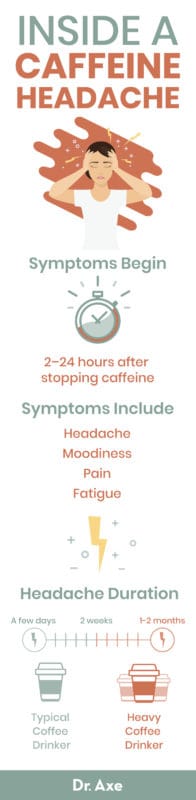
One of the most significant insights in sleep science for 2026 is the impact of the circadian-caffeine interaction. Many people experience a morning headache not because of the coffee they just drank, but because of the caffeine withdrawal they were already experiencing before they even reached the kitchen.
If you consume your last cup of coffee at 3:00 PM the previous day, by 7:00 AM the next morning, your blood caffeine levels have plummeted. This 16-hour gap often puts the body into the early stages of withdrawal. Symptoms of caffeine withdrawal include fatigue, irritability, and a throbbing headache. If you wait until you are already in the “withdrawal window” to consume your morning coffee, your brain may react to the sudden pharmacological shift with a headache. The key here is not necessarily to stop drinking coffee, but to stabilize your intake or address the timing of your caffeine metabolism.
Dehydration and the Electrolyte Imbalance

In 2026, wellness experts are placing a renewed emphasis on the diuretic effect of caffeine. While coffee is mostly water, the caffeine content acts as a mild diuretic, signaling the kidneys to release more sodium and water. If you wake up in a state of mild dehydration—which is common after 7 to 8 hours of sleep—and immediately consume a diuretic, you are effectively dehydrating your brain tissue.
The brain is extremely sensitive to fluid volume. When you are dehydrated, the brain can physically pull away from the skull, causing the protective membranes to stretch and trigger pain receptors. To mitigate this, the “Water-Before-Coffee” rule has become the gold standard in 2026. Drinking at least 16 ounces of water before your first cup of coffee helps replenish the fluid lost during the night, ensuring that your blood volume is stable before the caffeine enters your system. Neglecting this simple step is a primary trigger for many morning headaches.
Blood Sugar Fluctuations and the “Coffee Crash”
The modern morning coffee often involves more than just black beans. Whether it is a sugary oat milk latte, a flavored creamer, or an accompanying pastry, the glycemic impact of your morning routine cannot be ignored. A high-sugar breakfast consumed alongside caffeine creates a “double-whammy” for your nervous system.
Caffeine increases the release of adrenaline, which can stimulate the liver to release stored glucose into the bloodstream. If you add external sugar to this mix, your blood glucose levels spike rapidly. This is followed by a sharp insulin response, leading to a blood sugar crash. This hypoglycemic dip is a well-documented trigger for tension-type headaches and migraines. If your headache typically appears 60 to 90 minutes after your coffee, it is highly likely that your issue is metabolic rather than purely related to the caffeine content itself.
Genetics and Caffeine Sensitivity
Not all bodies process caffeine the same way. In 2026, personalized nutrition has highlighted the role of the CYP1A2 gene. This gene encodes the enzyme responsible for metabolizing caffeine in the liver. Individuals who are “slow metabolizers” of caffeine keep the stimulant in their bloodstream for much longer, while “fast metabolizers” clear it quickly.
If you are a slow metabolizer, your body is still processing the caffeine from yesterday’s afternoon cup when you wake up. This leads to a buildup of caffeine in the system, which can cause increased heart rate, jitteriness, and vascular headaches upon waking. Conversely, if you are a fast metabolizer, you likely hit the withdrawal phase much sooner than the average person. Understanding your unique genetic response can help you determine the optimal amount of coffee you should consume and at what time of day.
Strategies for a Pain-Free Morning
If you are determined to keep your morning coffee while eliminating the headaches, consider these 2026-approved strategies:
- The Hydration Buffer: Always consume 500ml of water before your first cup of coffee to counteract the diuretic effect.
- The Protein-First Approach: Never drink coffee on an empty stomach. Consume a small amount of protein or healthy fats to stabilize blood sugar levels before the caffeine hits your bloodstream.
- Consistency is Key: Try to consume your coffee at the same time every morning to prevent your brain from entering a withdrawal state.
- Lower the Dose: If you are experiencing chronic headaches, try reducing your intake by 25 percent. Modern research suggests that 100mg to 200mg of caffeine is the “sweet spot” for cognitive benefit without triggering vascular pain.
- Monitor Additives: Switch to lower-sugar creamers or black coffee to avoid the insulin roller coaster.
Frequently Asked Questions
Does decaf coffee cause headaches?
While decaf contains very little caffeine, it is not entirely caffeine-free. If you are extremely sensitive, the trace amounts might still trigger a response. Additionally, if you switched to decaf to avoid headaches but are still experiencing them, it may be due to the sudden removal of the caffeine your brain was accustomed to, essentially triggering a withdrawal headache.
Is it better to drink coffee with food or on an empty stomach?
It is significantly better to drink coffee with or after a meal. Consuming coffee on an empty stomach accelerates the absorption of caffeine, which can lead to rapid spikes in blood pressure and blood sugar, both of which are common triggers for morning headaches.
How long does a caffeine-induced headache last?
A caffeine-related headache typically lasts between 2 and 8 hours, depending on the individual’s metabolism and hydration status. If you drink more water and stabilize your blood sugar, you may be able to shorten the duration significantly.
Should I quit coffee entirely if I get headaches?
Not necessarily. Most people can manage their symptoms by adjusting the timing, quantity, and nutritional context of their coffee consumption. However, if you experience debilitating migraines, it is recommended to consult with a neurologist to rule out underlying conditions.
Conclusion
The morning headache after drinking coffee is a multifaceted issue that reflects the complexity of our modern lifestyle. By 2026, we have moved past the idea that coffee is simply “good” or “bad.” Instead, we recognize that for many, coffee is a powerful tool that requires mindful management. By prioritizing hydration, stabilizing blood sugar, and understanding your personal caffeine metabolism, you can enjoy your morning ritual without the pain. If you continue to struggle, track your intake and symptoms for two weeks—you might find that a simple adjustment in timing or volume is all it takes to turn your morning back into the productive, enjoyable experience it was meant to be.
Tags: coffee health, caffeine headaches, morning routine, headache prevention, caffeine metabolism
Category: Health and Wellness