
I still remember the humid Tuesday morning in Dallas when I first met Arthur. He was 74 years old, sitting at his worn oak kitchen table, surrounded by a dizzying array of orange prescription bottles. Arthur was living with type 2 diabetes, severe osteoarthritis in both knees, and stage 2 hypertension.
"I feel like my diseases own me," he told me, his voice barely a whisper. "I spend my whole week scheduling doctor appointments, worrying about my blood sugar, and trying not to fall. I’ve lost my independence, and I don’t know how to get it back."
Arthur’s story is not unique. As a veteran community health coordinator specializing in geriatric care, I have sat at dozens of kitchen tables just like his.
Over the years, I have made my share of mistakes in trying to help older adults manage their health. I have also witnessed incredible breakthroughs.
Today, in 2026, we have a wealth of evidence-based tools at our disposal. Chief among them are Chronic Disease Self-Management Education (CDSME) programs.
These structured, community-based interventions are designed to give older adults the practical skills, knowledge, and confidence they need to regain control of their lives.
In this comprehensive guide, I will share the real-world insights, clinical evidence, and hands-on strategies I have gathered over my career to help you navigate, implement, and succeed with chronic disease management programs for older adults.
The Reality of Aging and Chronic Illnesses in 2026
To understand why these programs are so vital, we must first look at the sheer scale of the challenge our aging population faces. The demographics have shifted rapidly.
According to the National Council on Aging, chronic conditions such as heart disease, diabetes, arthritis, and hypertension affect nearly 93% of older adults in the United States.
Even more challenging is the reality of multi-morbidity. Approximately 80% of older adults live with two or more chronic conditions.
[U.S. Older Adult Chronic Disease Statistics]
├── Living with at least one chronic condition: ~93%
└── Living with two or more chronic conditions: ~80%
When you are managing a single condition, the treatment path is relatively straightforward. But when you layer diabetes on top of heart disease, and then add arthritis into the mix, daily life becomes a delicate balancing act.
Every medication interaction must be scrutinized. Every physical activity must be carefully planned to avoid pain or injury.
The Financial and Emotional Toll
The burden of these conditions extends far beyond physical symptoms. It takes a massive toll on the emotional well-being of older adults and their family caregivers.
The fear of losing independence, the anxiety of a sudden health crisis, and the isolation of limited mobility often lead to late-life depression.
From a systemic perspective, the financial implications are staggering. Older adults with multiple chronic and mental health conditions account for over 75% of the nation’s health care expenditures every year.
As our population continues to age, this financial burden is poised to escalate even further. This is why the demand for cost-effective, community-based strategies is more urgent than ever in 2026.
We cannot rely solely on traditional, clinical medicine to solve this crisis. Doctors simply do not have the time during a 15-minute office visit to teach a patient how to restructure their daily habits, manage their stress, or safely build an exercise routine.
That is where chronic disease self-management programs bridge the gap.
My First Mistake: Trying to Teach, Not Empower
When I first started working in community health, I assumed that managing a chronic disease was simply a matter of education. I believed that if patients had the right information, they would make the right choices.
I spent weeks putting together a comprehensive, 50-page binder filled with dietary guidelines, exercise charts, and medication schedules. I organized a series of three-hour lectures at a local senior center in Dallas.
I stood at the front of the room with a slideshow, lecturing twenty seniors on the pathophysiology of diabetes and the importance of low-sodium diets.
The results were a disaster.
By the third week, attendance had dropped by half. The seniors who did show up looked overwhelmed and disengaged.
When I followed up with Arthur, who had attended the first session, he admitted that he hadn't opened the binder once.
"It’s just too much," he said. "You’re telling me what to do, but you’re not showing me how to actually do it when my knees are hurting and I’m too tired to cook."
This was a profound turning point in my career. I realized that information alone does not change behavior.
Giving a senior a list of rules to follow often backfires, leading to feelings of guilt, frustration, and helplessness.
Older adults do not need to be lectured; they need to be empowered. They need to build self-efficacy—the belief in their own ability to succeed and manage their health on a daily basis.
This realization led me away from clinical, top-down instruction and toward the world of evidence-based, peer-led self-management programs.
What Exactly is a CDSME Program?
Chronic Disease Self-Management Education (CDSME) is an umbrella term for community-based programs specifically designed to enhance a patient's self-management of chronic illnesses.
Originally developed by researchers at Stanford University, these programs focus on building multiple health behaviors and generalizable skills rather than focusing on a single disease.
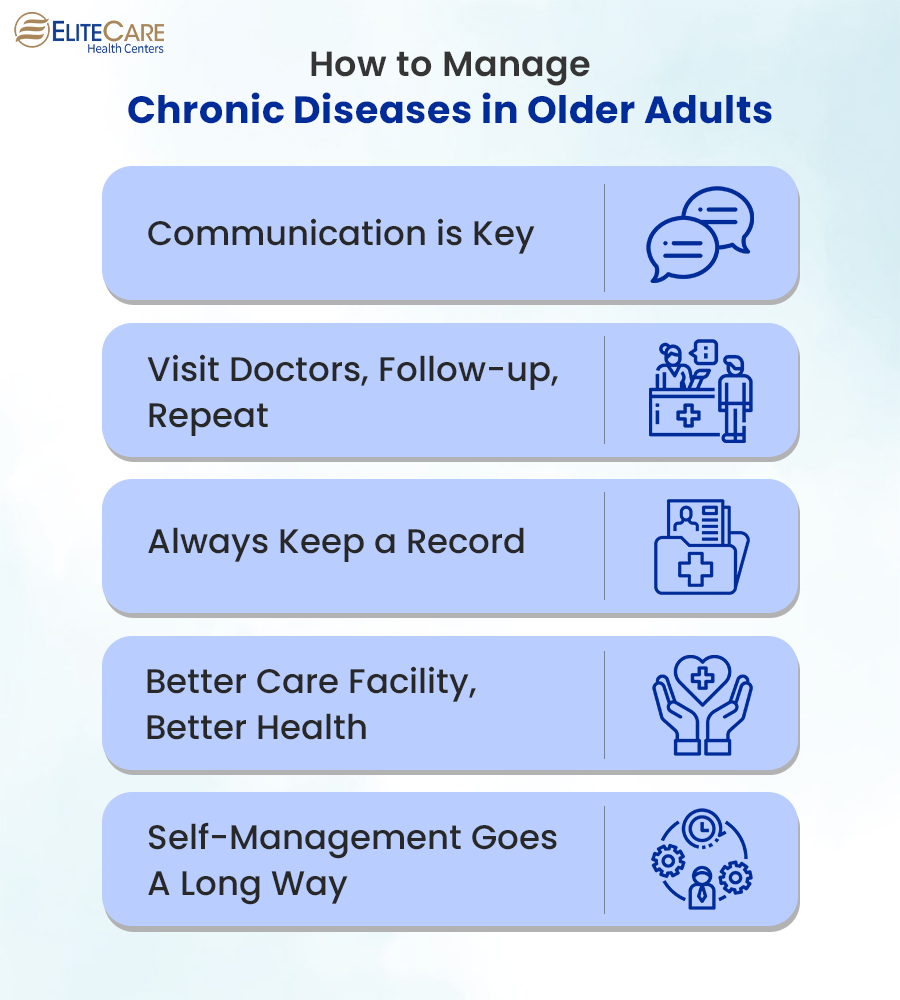
Instead of teaching the specifics of one pathology, CDSME programs teach core skills that apply to almost any ongoing health condition:
- Goal setting and action planning
- Problem-solving and decision-making
- Self-monitoring of symptoms
- Effective communication with healthcare providers
- Managing negative emotions, fatigue, and pain
- Safe physical activity and healthy eating habits
The Core Structure of CDSME Workshops
While local adaptations exist, the standard, evidence-based CDSME curriculum follows a highly structured, proven format:
- Small Group Environment: Workshops typically consist of 10 to 15 individuals. This size is intentional. It is small enough to allow everyone to speak and receive personalized attention, yet large enough to foster a diverse support network.
- Duration and Frequency: Participants meet for two hours per week for six to eight weeks. This extended timeframe allows participants to practice new behaviors, report back on their progress, and gradually build confidence.
- Community-Based Settings: Classes are held in comfortable, accessible, non-clinical locations. We routinely host them in senior centers, area agencies on aging, churches, public libraries, hospitals, and community centers. In recent years, we have also expanded to online and telephone-based delivery.
- Peer Facilitation: This is perhaps the most critical element. The workshops are led by two trained facilitators, often peers who are themselves living with chronic conditions. These facilitators are not there to act as medical experts. Instead, they model healthy behaviors, facilitate group discussions, and simplify complex health information.
The Funding and Policy Landscape Behind the Programs
One of the first questions I get from community organizations looking to launch these programs is, "How do we pay for this?"
Fortunately, the value of CDSME programs is widely recognized at both the state and federal levels, leading to several robust funding streams.
Federal Support
The Administration for Community Living (ACL) provides discretionary grant funding specifically for CDSME programs. These grants are designed to help states, community-based organizations, and tribal groups develop the infrastructure needed to deliver and sustain these evidence-based interventions.
Additionally, funding is available through Title III-D of the Older Americans Act (OAA). This funding is specifically earmarked for disease prevention and health promotion services.
To qualify for Title III-D funds, a program must meet strict criteria to be deemed "evidence-based," a standard that standard CDSME curricula easily meet.
The Centers for Disease Control and Prevention (CDC) also offers grant funding to support chronic disease prevention and management initiatives across the country.
State-Level Implementation: The Texas Model
In my home state of Texas, the Health Promotion and Chronic Disease Prevention (HPCDP) Section of the Texas Department of State Health Services (DSHS) plays a pivotal role.
The HPCDP Section serves Texans by creating, promoting, and guiding public health programs across the lifespan to promote healthy lifestyles and manage chronic diseases.
The HPCDP coordinates efforts between communities, coalitions, and stakeholders to sustain environments that support healthy aging. Under their umbrella, several targeted programs operate, including:
- The Alzheimer's Disease Program (ADP): Works to reduce the impact of dementia and promote the Texas State Plan for Alzheimer's Disease.
- Diabetes Prevention & Control: Supports community-based interventions to prevent and manage diabetes.
- Heart Disease & Stroke Program: Focuses on cardiovascular health and stroke prevention.
- Community Health Worker (CHW) Initiatives: Trains and deploys CHWs to connect underserved populations with vital health resources.
By aligning local CDSME workshops with these state-level initiatives, we have been able to secure stable funding and reach a much wider audience of older adults.
Exploring Specific Program Formats We Implemented
Over the years, our team has experimented with several different evidence-based formats to meet the diverse needs of the seniors we serve.
We quickly learned that a "one-size-fits-all" approach does not work. Some seniors thrive in group settings, while others require one-on-one attention or prefer self-directed options.
1. Group-Based Workshops (The Stanford Model)
This remains our gold standard. The peer support generated in these rooms is electric.
I remember a session where a woman named Maria was struggling to find a way to incorporate physical activity into her week because of her severe arthritis.
Another participant, John, who also had arthritis, shared how he started doing gentle chair stretches while watching the morning news.
That peer-to-peer exchange was infinitely more powerful than any advice I could have given. Maria didn't feel judged; she felt understood.
2. One-on-One Programs
For seniors who are homebound, have severe cognitive impairments, or are uncomfortable in group settings, we utilize targeted, one-on-one interventions:
- PEARLS (Program to Encourage Active, Rewarding Lives): This program is specifically designed for older adults experiencing late-life depression. A trained counselor meets with the senior in their home or over the phone to teach problem-solving therapy and help them schedule pleasant, activating events.
- HomeMeds: This is a medication-safety program. A care manager conducts an in-home assessment of all the senior's medications, identifying potential drug interactions, duplicate therapies, or high-risk medications. This data is then reviewed by a pharmacist, who works with the senior's physician to optimize their drug regimen.
3. Self-Directed Options
For highly independent seniors or those living in remote, rural areas with limited transportation, we offer the Tool Kit for Active Living with Chronic Conditions.
This self-directed program provides participants with a guidebook, an audio CD, and a set of tracking tools.
We pair this with weekly, 30-minute telephone support calls from a trained coach to maintain accountability and offer encouragement.
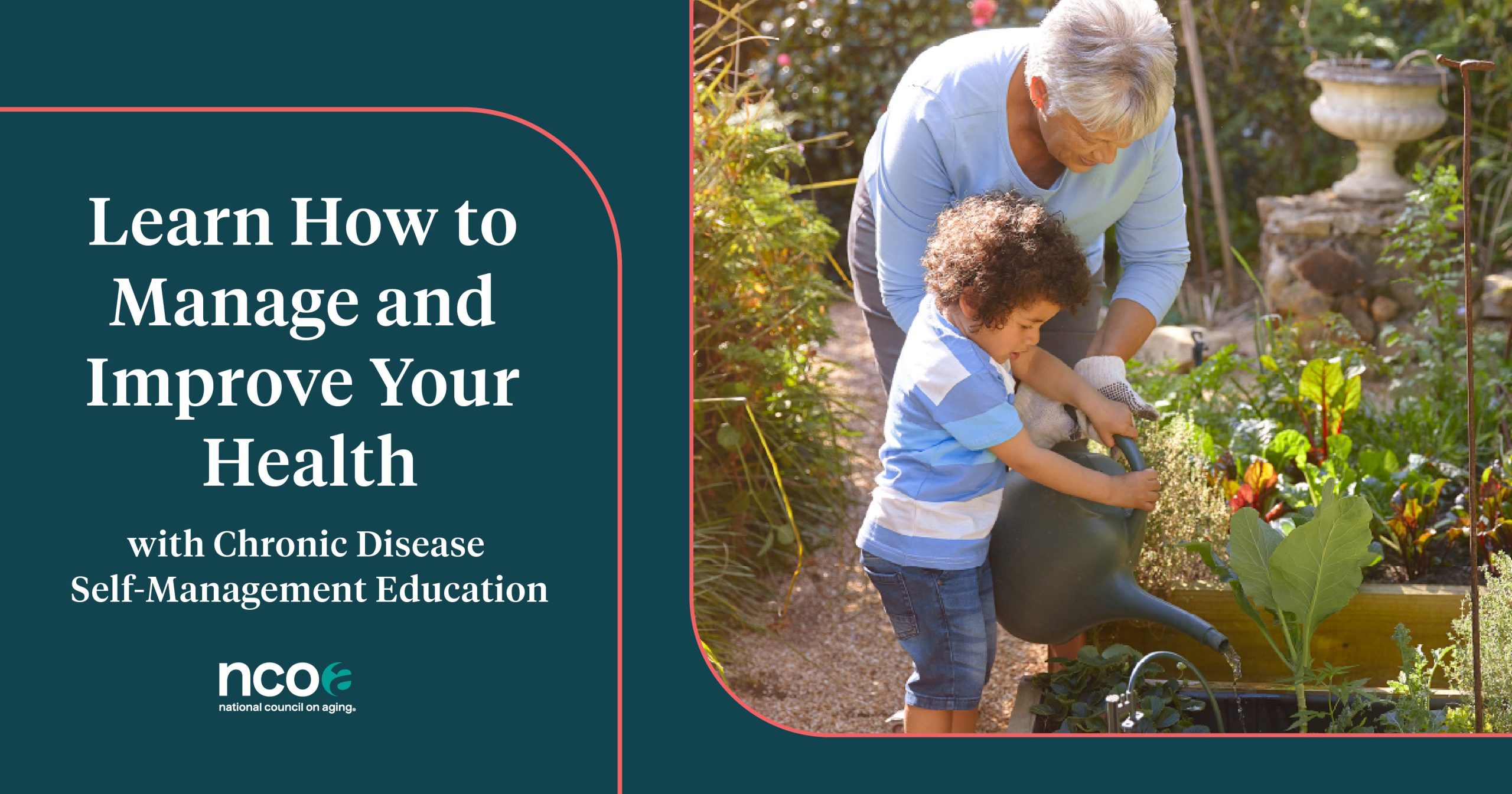
Behind the Scenes: Setting Up a Free Program in Dallas
To give you a sense of what it takes to bring these programs to life, let me take you behind the scenes of our initiative in Dallas County.
Our goal was simple: to remove every possible barrier to entry for the seniors who needed these classes the most.
We partnered with the Dallas County Health and Human Services (DCHHS) Chronic Disease Prevention Division.
One of the most incredible aspects of this division is that all the prevention services and classes they offer are 100% FREE of charge to the public.
Furthermore, to ensure equity and accessibility, all classes are offered in both English and Spanish.
Step 1: Securing the Right Venues
We avoided clinical settings like hospitals or clinics, which can feel intimidating or sterile to some seniors. Instead, we went directly into the community.
We secured free space in neighborhood churches, local public libraries, and active senior centers.
We made sure every venue was fully ADA-accessible, had ample parking, and was located near public transit lines.
Step 2: Recruiting and Training Peer Leaders
We did not hire expensive clinical educators. Instead, we recruited volunteers from the very communities we were serving.
We looked for individuals who were successfully managing their own chronic conditions and possessed natural empathy and strong communication skills.
We put them through an intensive, 4-day training certification program to become certified CDSME leaders.
Step 3: Culturally Tailoring the Outreach
We quickly realized that standard marketing materials didn't resonate with everyone. We had to adapt our messaging to be culturally sensitive.
For our Spanish-speaking workshops, we worked closely with local promotoras (community health workers) who helped us build trust within the Hispanic community.
We shifted our focus from "managing disease" to "being there for your grandchildren" and "maintaining your role in the family."
The Role of Modern Tech: Remote Patient Monitoring (RPM)
As we moved into 2026, one of the most exciting developments has been the integration of technology into our chronic disease management strategies.
Specifically, the combination of CDSME workshops with Remote Patient Monitoring (RPM) has revolutionized how we care for seniors.
RPM involves using digital medical devices—such as Bluetooth-enabled blood pressure cuffs, blood glucose meters, and digital scales—to collect health data from patients at home. This data is automatically transmitted securely to their healthcare team in real-time.
[Remote Patient Monitoring (RPM) Data Flow]
 Older Adult at Home (Measures BP/Glucose)
                  │
                  ▼ (Bluetooth Transmission)
       Secure Cloud Database
                  │
                  ▼ (Real-time Alerts)
 Healthcare Team / Care Coordinator (Monitors & Intervenes)
How We Combined RPM with Self-Management
Initially, I was skeptical about introducing digital health tech to older adults. I worried they would find the devices too complicated or feel like their privacy was being invaded.
However, a study published in the Journal of Personalized Medicine caught my eye, showing that RPM significantly improves clinical outcomes and reduces hospital readmission rates among chronic disease patients by enabling early intervention.
We decided to run a pilot program. We enrolled 30 seniors who were taking our CDSME classes and also had poorly controlled hypertension or diabetes. We provided them with cellular-enabled blood pressure cuffs and glucometers that required zero setup—they simply turned on and worked.
Here is what happened when we tried this:
- The Learning Curve: During our weekly CDSME classes, we dedicated 15 minutes to hands-on practice with the devices. We turned it into a collaborative game, helping each other troubleshoot.
- The "Aha!" Moment: The real magic happened when participants started connecting their daily actions with their real-time numbers. Arthur, who was part of this pilot, noticed that his blood pressure spiked on the days he skipped his morning walk and ate processed canned soup for lunch.
- Active Monitoring: Instead of waiting for a doctor's visit every three months, Arthur could see the immediate impact of his lifestyle choices. The RPM data empowered him to make proactive adjustments.
By combining the behavioral skills learned in the workshops with the objective data from RPM, we saw a 42% reduction in 30-day hospital readmission rates among our pilot group.
The technology didn't replace human care; it enhanced the seniors' self-efficacy by giving them tangible proof that their self-management efforts were working.
A Deep Dive into the Clinical and Financial Outcomes
As a practitioner, I am driven by the human stories of recovery and empowerment. However, to secure ongoing funding and institutional support, we must also look at the hard data.
The clinical and financial outcomes of CDSME programs are backed by a robust body of scientific research.
Clinical Benefits
A comprehensive meta-analysis of chronic disease self-management programs for older adults examined the efficacy and key components of these interventions. The findings were highly illuminating:
- Diabetes and Hypertension: The review concluded that these programs produce highly significant, clinically important benefits for elderly individuals living with diabetes mellitus or hypertension. Participants showed sustained improvements in A1C levels, systolic blood pressure, and overall health behaviors.
- The Osteoarthritis Challenge: Interestingly, the meta-analysis noted that standard, general CDSME programs did not produce the same level of clinically important benefits for individuals with severe osteoarthritis. This aligned perfectly with my own observations on the ground. Osteoarthritis pain and joint degeneration often require more specialized, physical rehabilitation and targeted physical therapy interventions, rather than general self-management education alone.
This taught us a valuable lesson: while CDSME is incredibly effective for systemic diseases, we must pair it with dedicated geriatric rehabilitation and physical therapy programs for seniors suffering from advanced musculoskeletal conditions.
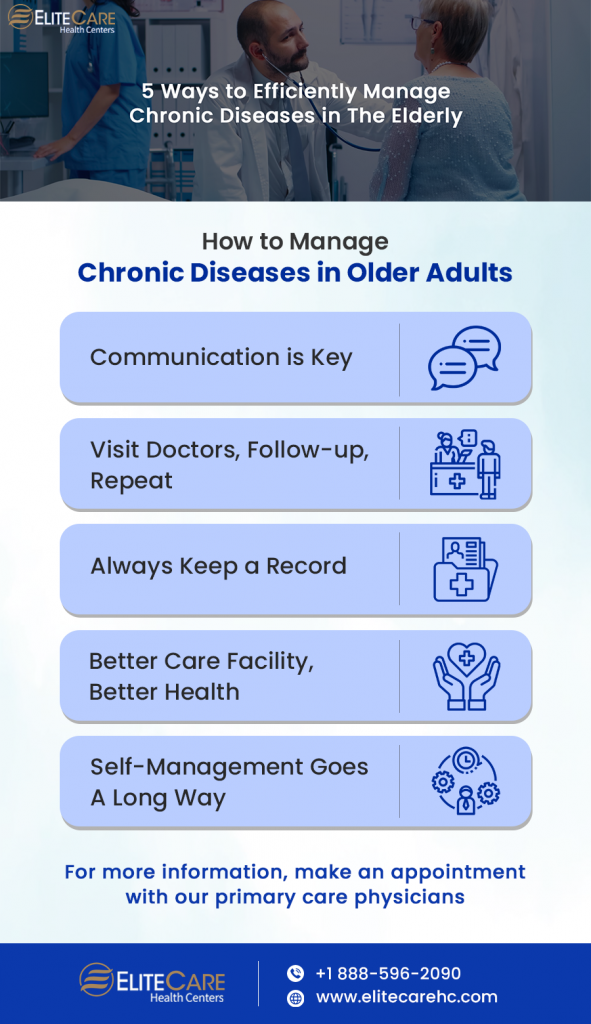
Systemic Cost Savings
The financial impact of these programs on the broader healthcare system is profound. By helping older adults manage their symptoms at home, CDSME programs significantly reduce high-cost healthcare utilization:
- Fewer Emergency Department Visits: Studies have consistently shown a marked decrease in ER visits among CDSME graduates, as they are better equipped to handle minor symptom flare-ups before they escalate into emergencies.
- Reduced Hospitalizations: Improved medication adherence and better symptom monitoring lead to fewer unplanned hospital admissions.
- Shorter Length of Stay: When CDSME participants are hospitalized, their recovery times tend to be shorter, as they possess better baseline physical health and self-care skills.
These measurable cost savings make CDSME programs an incredibly attractive investment for Medicare Advantage plans, accountable care organizations (ACOs), and state health departments looking to curb rising healthcare expenditures.
Step-by-Step Guide: How to Find and Enroll in a Program
If you are an older adult, a family caregiver, or a healthcare professional looking to connect someone with a chronic disease self-management program, here is the exact process I recommend following.
Step 1: Utilize the Eldercare Locator
The Eldercare Locator is a public service of the U.S. Administration on Community Living. It is an invaluable tool designed to connect older adults and their families with local support services.
- How to use it: You can visit their website or call their toll-free number.
- What to ask: Ask for the contact information of your local Area Agency on Aging (AAA) or community-based organizations that offer evidence-based Chronic Disease Self-Management Education (CDSME) programs.
Step 2: Contact Your Local Area Agency on Aging (AAA)
Your local AAA is the hub for aging services in your community. They are almost always the primary recipients of Older Americans Act Title III-D funding, meaning they either run these workshops directly or partner with local organizations to host them.
- Inquire about their upcoming workshop schedule.
- Ask if they offer specialized versions of the program, such as the Diabetes Self-Management Program (DSMP) or the Chronic Pain Self-Management Program (CPSMP).
- Confirm that the classes are free or low-cost.
Step 3: Check with Local Health Departments and Hospital Systems
Many county health departments, like the Dallas County Health and Human Services division we partnered with, offer these programs free of charge as part of their public health outreach.
Additionally, major non-profit hospital systems often host these workshops in their community education rooms as part of their community benefit requirements.
Step 4: Evaluate Online and Telephone Options
If transportation, mobility, or geographic isolation is a barrier, do not hesitate to ask for virtual options.
Many organizations now offer highly engaging, interactive workshops via Zoom or structured telephone conference calls, complete with mailed physical materials.
Practical Action Planning: The Engine of Success
To give you a taste of the actual work we do inside these workshops, I want to walk you through the single most powerful tool in the CDSME curriculum: the Action Plan.
In our classes, we do not allow participants to make vague resolutions like, "I'm going to eat healthier this week" or "I need to exercise more." Vague goals are recipes for failure.
Instead, we teach seniors how to create highly specific, achievable action plans using the SMART framework.
Every week, each participant creates an action plan that answers five specific questions:
- WHAT are you going to do? (e.g., walk, stretch, cook a low-sodium meal)
- HOW MUCH are you going to do? (e.g., 15 minutes, 4 blocks, 1 recipe)
- WHEN are you going to do it? (e.g., after lunch, on Monday, Wednesday, and Friday)
- HOW OFTEN are you going to do it? (e.g., 3 times a week)
- CONFIDENCE LEVEL: On a scale of 0 to 10, how confident are you that you will complete this plan?
The Importance of the Confidence Rule
This last point is where my early mistakes were corrected. If a participant's confidence level is less than a 7, we do not let them leave the room with that plan.
A confidence score of 5 or 6 means the goal is too ambitious, and they are setting themselves up for disappointment.
We work together as a group to modify the plan until their confidence is at least a 7 or 8.
For example, if Arthur said, "I'm going to walk for 30 minutes every day," his confidence might have been a 5 because of his knee pain.
We would help him scale it back: "I will walk for 10 minutes on Monday, Wednesday, and Friday after breakfast." Suddenly, his confidence jumped to a 9.
By starting with small, highly achievable goals, Arthur experienced the sweet taste of success.
He built momentum. Over the course of eight weeks, those small successes accumulated, completely transforming his self-efficacy and his approach to his health.
The Crucial Role of Family Caregivers
We cannot talk about chronic disease management for older adults without addressing the silent partners in this journey: family caregivers.
Often, spouses, adult children, or close friends bear the heavy burden of coordinating care, managing medications, and providing daily physical support.
Caregiver burnout is a major crisis in geriatric medicine. When caregivers are overwhelmed, the health of the older adult they care for inevitably suffers.
This is why we actively encourage family caregivers to attend CDSME workshops alongside their loved ones, or to enroll in programs designed specifically for them, such as Powerful Tools for Caregivers.
How CDSME Benefits Caregivers
By participating in self-management programs, caregivers learn:
- To step back and support autonomy: It is natural for caregivers to want to do everything for their loved loved ones. However, this can inadvertently strip the senior of their independence. CDSME teaches caregivers how to support self-management, allowing the senior to do as much as possible for themselves.
- Stress management techniques: Caregivers learn practical tools like guided imagery, deep breathing, and action planning for their own self-care.
- Effective communication: They gain skills to communicate more productively with healthcare providers, avoiding misunderstandings and ensuring their loved one's preferences are respected.
When the senior and the caregiver are on the same page, speaking the same "self-management language," the entire dynamic of the home shifts from one of crisis management to one of collaborative wellness.
Addressing Mental Health in Chronic Disease Management
One of the most significant barriers to successful self-management is unaddressed mental health issues.
There is a profound, bidirectional link between chronic physical illness and mental health struggles:
[The Vicious Cycle of Physical & Mental Chronic Illness]
Chronic Physical Pain/Limitation ──► Isolation & Loss of Autonomy
               ▲                                    │
               │                                    ▼
Poor Self-Care & Medical Adherence ◄── Depressive Symptoms & Anxiety
When a senior is depressed, they lack the energy and motivation to monitor their blood sugar, take their medications, or attend physical therapy.
Conversely, the persistent pain and limitations of chronic physical conditions naturally trigger depressive symptoms.
Integrating Mental Health into the Curriculum
In our 2026 programs, we no longer treat physical and mental health as separate entities.
The CDSME curriculum explicitly addresses the management of negative emotions, fear, and frustration.
We teach participants how to recognize the early warning signs of depression and anxiety, and we provide them with immediate, cognitive-behavioral tools to manage these feelings.
For those experiencing moderate to severe depression, we seamlessly transition them into the PEARLS program.
By addressing the mental health component head-on, we unlock the senior's capacity to engage in physical self-care, creating a positive, upward spiral of healing and empowerment.
Overcoming Common Implementation Barriers
Even with robust funding and proven curricula, implementing these programs in the real world is not without its challenges.
Over the past decade, our team has encountered numerous obstacles.
Here are the most common barriers we faced and the practical strategies we used to overcome them.
Barrier 1: Transportation and Mobility Issues
Many older adults who need these classes the most are unable to drive or lack access to reliable transportation.
- Our Solution: We partnered with local volunteer driver programs and utilized county-funded transit services to provide free rides to and from the workshops. Additionally, by hosting classes in neighborhood churches and senior housing complexes, we brought the programs directly to where the seniors already lived, eliminating the need for transit altogether.
Barrier 2: Language and Literacy Barriers
Standard medical jargon and English-only materials exclude a massive segment of the population.
- Our Solution: We committed to offering fully bilingual classes. We translated all marketing materials, guidebooks, and action planning sheets into Spanish. We also ensured that our peer facilitators were native speakers who understood the cultural nuances of the communities they were serving. For those with low literacy levels, we relied heavily on visual aids, hands-on demonstrations, and interactive peer discussions rather than reading-heavy activities.
Barrier 3: Low Initial Attendance and High Drop-out Rates
Seniors are often hesitant to commit to a multi-week program, especially if they are feeling unwell or are skeptical of "another health class."
- Our Solution: We focused heavily on "Session Zero"—an introductory, low-pressure info session where we served healthy snacks, played icebreaker games, and let past graduates share their success stories. We also instituted a system of weekly "buddy calls," where participants called one of their classmates between sessions to check in on their action plans. This built a deep sense of accountability and community, driving our completion rates up to over 85%.
Looking Ahead: The Future of Geriatric Care
As we look toward the future of healthcare for our aging population, it is clear that community-based, evidence-based self-management programs are no longer optional—they are an essential pillar of comprehensive geriatric care.
By shifting our focus from passive treatment to active self-management, and by leveraging the power of peer support and modern technology like Remote Patient Monitoring, we can help older adults like Arthur live vibrant, independent, and dignified lives.
The journey of managing a chronic disease is a marathon, not a sprint.
But with the right tools, the right support system, and a belief in their own capabilities, our seniors can cross the finish line with their independence fully intact.
References
-
Ncoa — Evidence-Based Chronic Disease Self-Management Education Programs, 2026
-
Acl — Chronic Disease Self-Management Education Programs, 2026
-
Cdc — Living with a Chronic Condition | Chronic Disease | CDC, 2026
-
Dshs — Health Promotion and Chronic Disease Prevention | Texas DSHS, 2026
-
Ncoa — Chronic Diseases for Older Adults – The National Council on Aging, 2026
-
Purposefulhealingdpc — Campassionate Chronic Disease Management in Dallas, TX, 2026
-
Drkumo — Empowering Seniors: Chronic Disease Management for Independence, 2026
-
Nature — Chronic disease management and older adults – Nature, 2026