
Do you wake up with a flat stomach, only to find your pants feeling uncomfortably tight by the time you sit down for dinner? You are not alone. Evening bloating is one of the most common digestive complaints reported in 2026, often leaving people feeling sluggish, distended, and frustrated.
While morning digestion often feels light and manageable, the cumulative effect of a full day’s intake can wreak havoc on your gut. Understanding why this happens is the first step toward reclaiming your comfort and improving your digestive health.

The Mechanics of Evening Distension
According to experts like Dr. Elara Vance, MD, the phenomenon of bloating that gets worse in the evening is rarely about a single meal. Instead, it is the result of slowed digestive motility that builds up over the course of the day.
As the sun sets, your body’s natural digestive rhythm can become sluggish. Food that you consumed earlier in the day may still be lingering in the digestive tract, leading to increased fermentation by gut bacteria. This process produces gas, which manifests as that tell-tale “stuck” feeling in your abdomen.
7 Key Reasons Your Bloating Peaks at Night
Why does the discomfort seem to escalate as the day winds down? Here are the primary culprits identified by health professionals this year:
- Cumulative Gas Production: Every time you eat, your gut produces gas. By dinner, your system has processed multiple meals, leading to a “stacking” effect of gas in the intestines.
- Sluggish Gut Motility: Your digestive system is most efficient in the morning. By evening, the muscles in your gastrointestinal tract often slow down, causing food to sit longer and gas to become trapped.
- Fluid Retention: If you have been on your feet all day or consumed high-sodium meals, your body may hold onto extra water, which often pools in the abdominal region.
- Postural Changes: Throughout the day, gravity helps move gas through your system. When you sit at a desk or lounge on the couch in the evening, that gas can become trapped in the bends of the colon.
- Swallowing Air (Aerophagia): Eating too quickly or talking while chewing causes you to swallow excess air. This air accumulates throughout the day and contributes to evening distension.
- Microbiome Imbalance: If there is an overgrowth of bacteria in the small intestine (SIBO), the fermentation of food happens faster, leading to significant bloating after even small meals.
- Stress-Gut Axis: The stress accumulated during a long workday can trigger the “fight or flight” response, which redirects blood flow away from the digestive system, effectively shutting down digestion.

Evidence-Based Strategies for Evening Relief
If you are tired of the nightly “food baby,” it is time to implement a proactive strategy. Research in 2026 suggests that managing your gut health requires a holistic approach rather than a quick fix.
1. Prioritize Mindful Eating
The most effective way to reduce evening bloating is to change how you eat. Chew your food thoroughly to aid mechanical digestion and avoid eating while distracted or stressed. When you eat slowly, you allow your brain to signal the gut to release necessary enzymes, making the entire process smoother.
2. Move After Meals
Rather than crashing on the couch after dinner, try a 10-minute light walk. Physical movement stimulates peristalsis—the wave-like muscle contractions that move food through your digestive tract. This simple habit can prevent gas from stalling in the colon.
3. Identify Trigger Foods
Keep a food diary for one week. You might discover that specific high-FODMAP foods, such as onions, garlic, or certain legumes, are the primary drivers of your nighttime discomfort. Reducing these during your final meal of the day can significantly lower gas production.
When to See a Professional
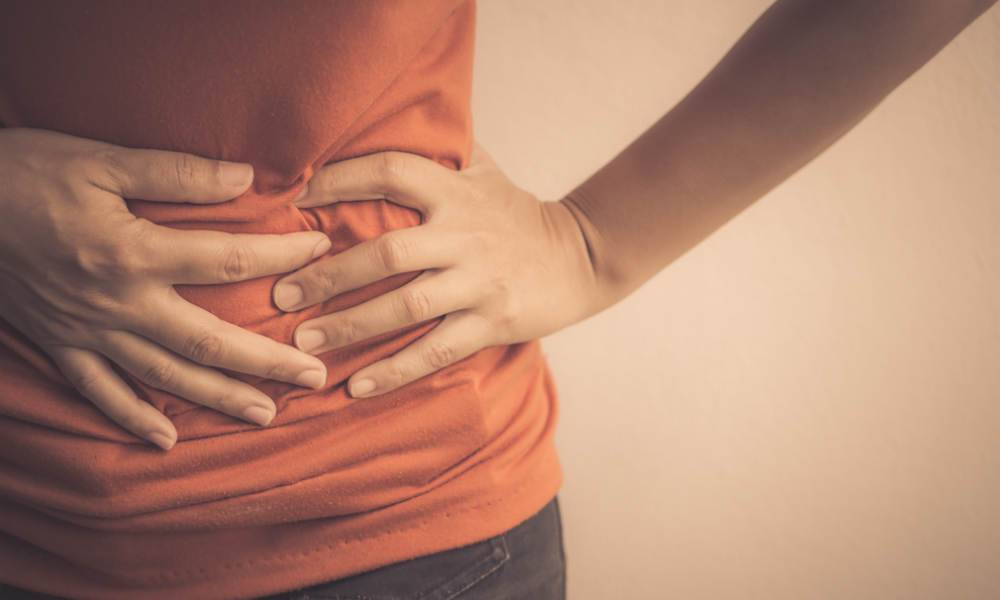
While occasional bloating is usually a lifestyle issue, persistent distension can sometimes signal an underlying health concern. If your evening bloating is accompanied by unexplained weight loss, chronic diarrhea, or severe abdominal pain, it is essential to consult a healthcare provider.
In 2026, diagnostic tools for gut health—including microbiome mapping and breath testing—are more accessible than ever. Don’t settle for daily discomfort; modern medicine offers clear pathways to identify and treat the root cause of your symptoms.
Conclusion: Taking Control of Your Gut
Bloating that gets worse in the evening is a common, manageable reality for many, but it doesn’t have to be your “new normal.” By understanding the link between digestive motility, gas accumulation, and daily habits, you can make small, impactful shifts that lead to significant relief.
Start by hydrating well throughout the day, choosing easier-to-digest dinners, and incorporating movement after your evening meal. Your gut is a complex system that thrives on consistency; give it the support it needs, and you will likely find that your evenings become much more comfortable.