
There is nothing more frustrating than finally hitting the pillow after a long day, only to be met with a relentless, hacking cough. If you find yourself asking, “Why do I cough at night only?”, you are not alone. Thousands of people struggle with nocturnal coughing that seems to vanish the moment the sun comes up.
In 2026, medical insights have clarified that nighttime coughing is rarely random. It is often a physiological response to your environment, your sleeping position, or underlying health conditions that become more pronounced when you lie down. Understanding these triggers is the first step toward reclaiming your sleep.

The Science Behind Nocturnal Coughing
Why does your body seem to wait until bedtime to trigger a coughing fit? Several factors converge at night to irritate your airways:
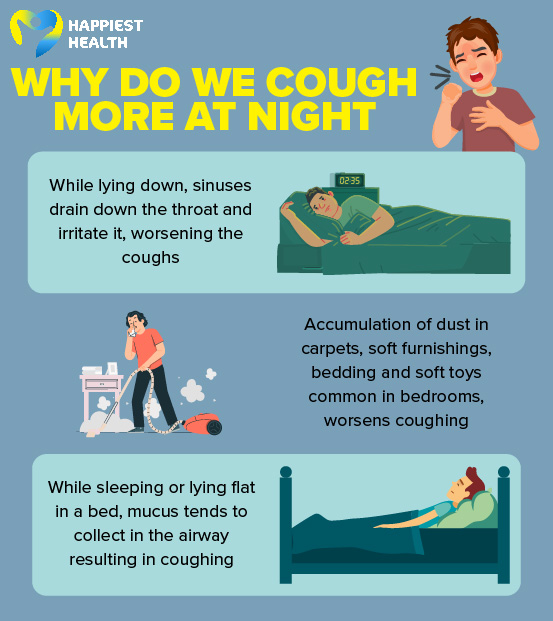
- Gravity: When you lie flat, mucus from your sinuses can pool in the back of your throat, triggering the cough reflex.
- Lower Cortisol Levels: Your body’s natural anti-inflammatory hormones, known as cortisol, drop to their lowest levels during the night, making your airways more sensitive.
- Temperature and Humidity: Cooler nighttime air or dry bedroom environments can dehydrate your throat, leading to a persistent dry cough.
Common Culprits: Why Your Cough Worsens After Dark
If you are wondering, “Why do I cough at night only?”, it is time to look at the most frequent medical culprits identified by health experts.
1. Postnasal Drip
This is the number one cause of nighttime coughing. If you suffer from allergies or a sinus infection, excess mucus drips down the back of your throat while you sleep. This tickle is impossible to ignore and forces a cough to clear the throat.
2. Gastroesophageal Reflux Disease (GERD)
Many people are surprised to learn that acid reflux is a major trigger for coughs. When you lie down, stomach acid can travel up the esophagus and irritate the airways. Even if you don’t feel “heartburn,” this silent reflux can cause significant nighttime coughing.
3. Asthma and Respiratory Sensitivity
Asthma symptoms often flare up at night, a condition known as nocturnal asthma. Your airways naturally narrow while you sleep, which, combined with allergens in your bedding or bedroom, can lead to wheezing and coughing.
4. Medication Side Effects
Certain medications, particularly ACE inhibitors used for high blood pressure, are well-documented for causing a dry, persistent cough. If you recently started a new prescription, this could be the source of your nocturnal distress.
Quick Relief Strategies for Tonight
If you are currently struggling to sleep, try these evidence-based strategies to soothe your throat and suppress the cough reflex:
- Elevate Your Head: Use an extra pillow to keep your head and chest elevated. This uses gravity to prevent mucus and stomach acid from reaching your throat.
- Hydrate with Honey: A teaspoon of honey is a natural cough suppressant. It coats the throat and reduces irritation better than many over-the-counter syrups.
- Use a Humidifier: If the air in your room is dry, a cool-mist humidifier can keep your airways moist and less prone to irritation.
- Clear the Air: Ensure your bedroom is free of dust mites, pet dander, and strong fragrances that could be triggering an allergic response.

When to See a Doctor
While most nighttime coughs are related to minor issues like allergies or a common cold, some cases require professional attention. In 2026, medical guidelines suggest consulting a healthcare provider if:
- Your cough lasts longer than three weeks.
- You experience shortness of breath or chest pain.
- You are coughing up blood or discolored mucus.
- You have a high fever that does not respond to medication.
- You suspect your cough is related to heart failure or severe asthma.
A persistent cough is your body’s way of signaling that something is off. By tracking your symptoms and identifying whether your cough is dry, wet, or associated with heartburn, you provide your doctor with the data needed for an accurate diagnosis.
Conclusion
The mystery of “why do I cough at night only” usually points back to how your body reacts to the horizontal position and the environment of your bedroom. Whether it is postnasal drip, acid reflux, or environmental allergens, simple lifestyle changes—like elevating your head and managing your indoor air quality—can significantly improve your sleep quality.
Don’t let a nighttime cough dictate your energy levels. If lifestyle adjustments don’t bring relief after a few days, reach out to a professional to rule out underlying conditions. A good night’s rest is essential for your long-term health, and you deserve to wake up feeling refreshed, not exhausted by a midnight cough.