
If you’ve ever polished off a bowl of extra-spicy chili or a fiery curry, only to notice a fresh breakout on your chin the next morning, you aren’t alone. For years, the debate surrounding the link between spicy food and acne has left many skincare enthusiasts confused. As we head into 2026, scientific understanding of the gut-skin axis has evolved, providing clearer answers to that frustrating question: Why do I get pimples after eating spicy food?
While spicy food isn’t a direct “cause” of acne in the traditional sense, it acts as a significant inflammatory trigger. If you are prone to breakouts, understanding how your diet influences your complexion is the first step toward clearer skin.
The Science of Inflammation and Your Skin
At the core of the spicy food-acne connection is systemic inflammation. Spicy foods typically contain capsaicin, the chemical compound responsible for the “heat” in chili peppers. When you consume high levels of capsaicin, your body’s internal temperature rises, often leading to increased perspiration.

When you sweat, your pores can become clogged with a mixture of salt, bacteria, and trapped oil. If you already have sensitive or acne-prone skin, this sudden shift in your body’s environment can trigger a flare-up. It’s not necessarily the spice itself, but the physiological reaction your body has to the heat.
The Gut-Skin Axis: More Than Just Digestion
In 2026, dermatologists are placing a heavy emphasis on the gut-skin axis. This theory suggests that what happens in your digestive tract directly impacts the appearance of your skin. Spicy foods can be highly irritating to the stomach lining, especially for those with sensitive digestive systems.
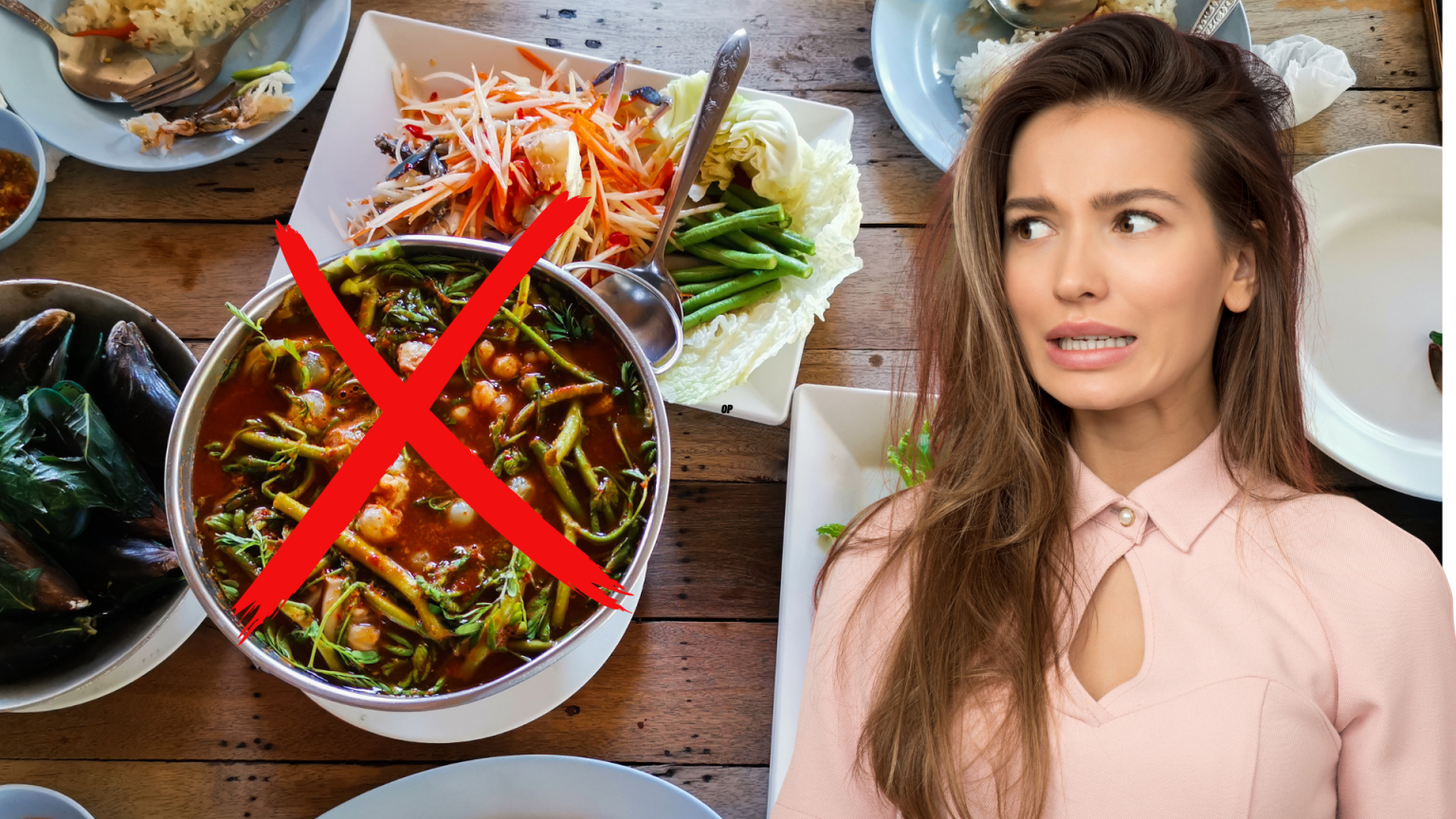
When your digestion is disrupted, your body experiences oxidative stress. This stress can lead to the release of inflammatory markers into your bloodstream. Once these markers circulate, they can exacerbate existing skin conditions, including hormonal acne and cystic breakouts.
Common Ingredients That Hide in Spicy Dishes
Often, the culprit isn’t the chili pepper itself, but the secondary ingredients found in spicy meals. Many popular spicy dishes—like buffalo wings, spicy ramen, or curry—are loaded with high-glycemic index (GI) foods, dairy, or processed vegetable oils.
- Dairy: Many spicy sauces are paired with yogurt, cream, or cheese to balance the heat. Dairy is a known acne trigger for many individuals due to its impact on insulin-like growth factor (IGF-1).
- Refined Carbohydrates: Spicy stir-frys or takeout noodles are often served with refined white rice or pasta. These spike your blood sugar, causing an insulin surge that tells your glands to produce more oil (sebum).
- Processed Oils: Cheap vegetable oils used in high-heat cooking can be pro-inflammatory, further irritating your skin.
How to Enjoy Spice Without the Breakout
You don’t have to swear off your favorite spicy dishes forever to keep your skin clear. By making a few adjustments to your diet and skincare routine, you can manage the impact of spicy foods in 2026:
- Hydrate Immediately: Drinking plenty of water helps flush out the toxins and lowers your internal body temperature after a spicy meal.
- Focus on Anti-Inflammatory Foods: Pair your spicy meal with cooling, anti-inflammatory sides like cucumber, avocado, or leafy greens to neutralize the effects.
- Watch the Dairy: If you know you are sensitive, avoid the sour cream or cheese-based sauces often used to “cool down” the heat.
- Post-Meal Skincare: If you’ve indulged in a particularly spicy meal, ensure you cleanse your face shortly after to wash away any sweat or bacteria that may have accumulated on your skin’s surface.
When to See a Professional
If you notice that your breakouts are persistent regardless of your diet, it may be time to consult a dermatologist. While diet plays a role, acne is often multifaceted. Factors like hormonal fluctuations, stress, and your current skincare regimen are just as important as the food on your plate.
In 2026, advanced testing can help identify specific food sensitivities that might be causing chronic inflammation. Don’t settle for guessing; professional guidance can help you tailor your lifestyle to maintain a glowing, clear complexion.
Conclusion
So, why do you get pimples after eating spicy food? It is largely due to the body’s inflammatory response, the disruption of the gut-skin axis, and the hidden ingredients often found in spicy meals. By being mindful of what you eat and maintaining a consistent skincare routine, you can enjoy your favorite flavors without sacrificing your skin’s health. Remember, balance is key—listen to your body, and it will thank you with a clearer, healthier glow.