
There is nothing more refreshing than a hot shower after a long day, but for many, that sensation of cleanliness is quickly replaced by an intense, irritating urge to scratch. If you find yourself wondering, “Why does my skin itch after a shower?” in 2026, you are certainly not alone. This phenomenon, clinically known as aquagenic pruritus or simply post-shower itching, affects millions of people globally.
Whether it is a mild tingle or a persistent, stinging sensation, understanding the root cause is the first step toward relief. From environmental factors to underlying health conditions, let’s dive into why your skin reacts this way and how you can fix it.
1. The Impact of Water Temperature and Humidity
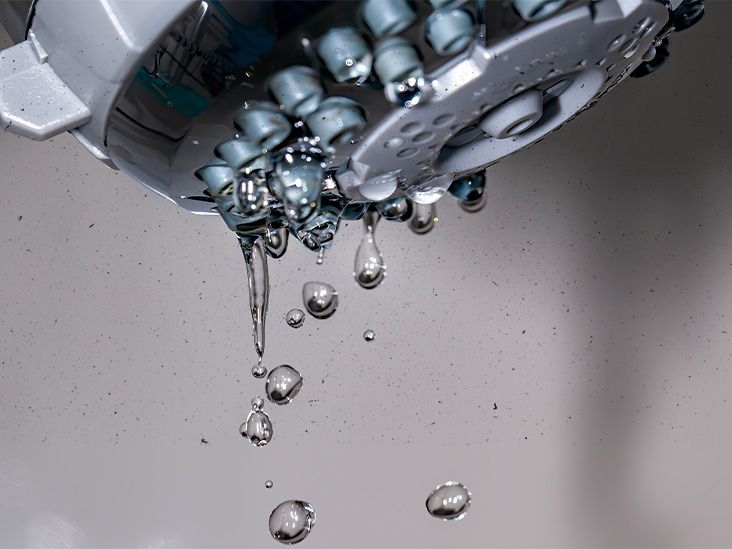
The most common culprit for post-shower itch is the temperature of the water. While a scalding hot shower feels relaxing, it strips your skin of its natural oils (sebum), which are essential for maintaining a healthy moisture barrier.
In 2026, dermatology trends emphasize the importance of the skin microbiome. When you wash away these natural lipids, your skin becomes dry and vulnerable. As the water evaporates from your skin surface, it creates a cooling effect that can pull even more moisture out of the epidermis, leading to transepidermal water loss (TEWL).
2. Harsh Soaps and Fragrance Irritants
Not all body washes are created equal. Many conventional soaps contain surfactants like Sodium Lauryl Sulfate (SLS), which are designed to create a heavy lather but can be incredibly drying.
If your skin itches after a shower, check your ingredient labels for:
- Synthetic fragrances: Often the #1 cause of contact dermatitis.
- High pH levels: Alkaline soaps disrupt your skin’s natural acidic mantle (which sits around 5.5).
- Preservatives: Ingredients like parabens or methylisothiazolinone can cause delayed allergic reactions.
3. Hard Water and Mineral Buildup
If you have moved to a new home or neighborhood, you might be dealing with hard water. Hard water contains high concentrations of calcium and magnesium, which can leave a film of soap scum on your skin.
This residue acts as an irritant, clogging pores and preventing your skin from “breathing.” Over time, this mineral buildup can cause chronic dryness, which is why your skin feels tight and itchy immediately after you towel off.
4. Underlying Medical Conditions
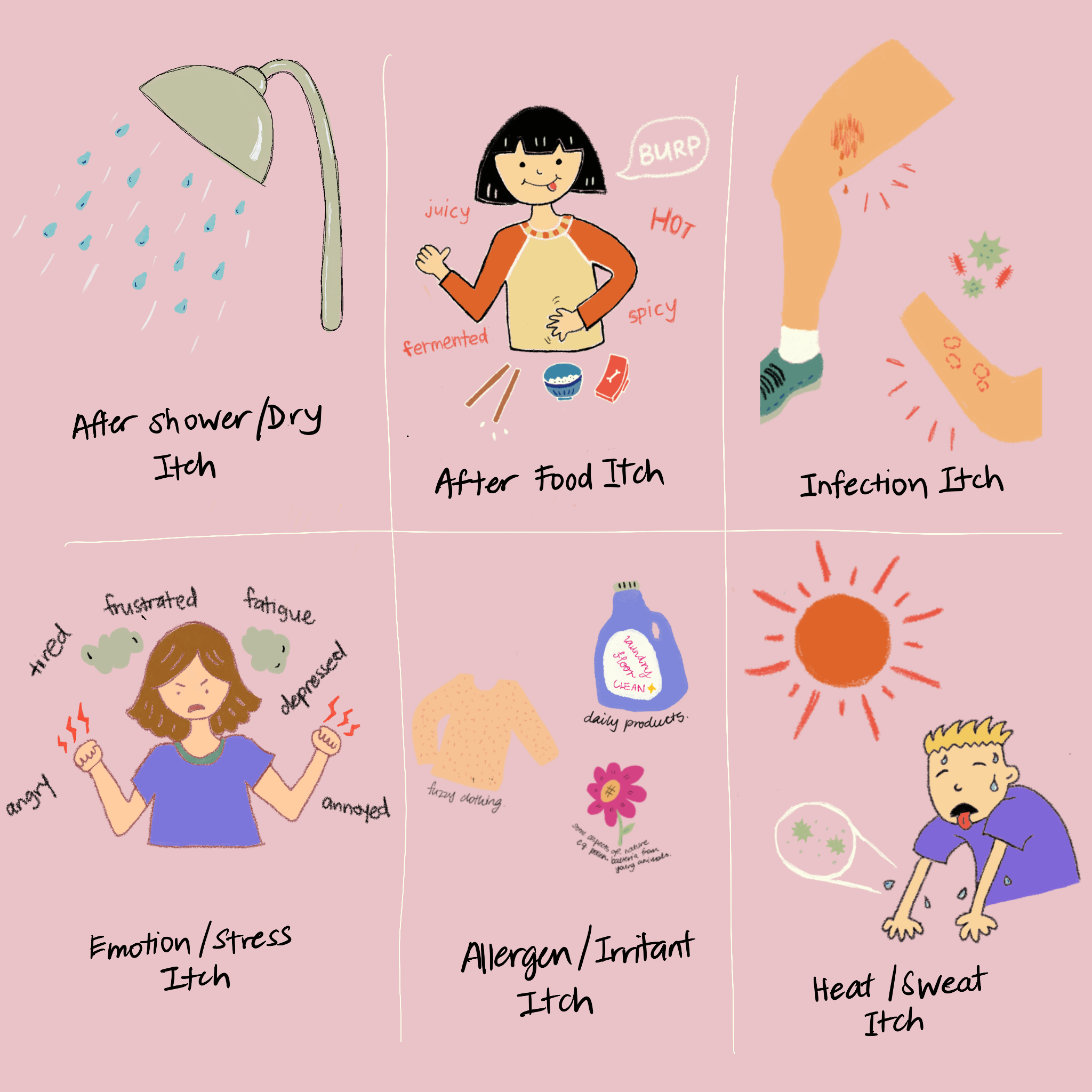
Sometimes, the itch isn’t about the water or the soap at all. If you experience intense itching that lasts for more than an hour, it may be a sign of an underlying health issue. Common culprits include:
- Eczema (Atopic Dermatitis): A condition where the skin barrier is inherently compromised.
- Dry Skin (Xerosis): Often worse in winter months when indoor heating lowers ambient humidity.
- Aquagenic Pruritus: A rare condition where contact with water triggers itching without visible skin changes.
- Polycythemia Vera: A rare blood disorder that can cause itching after bathing due to changes in blood cell production.
5. The “Towel Effect” and Friction
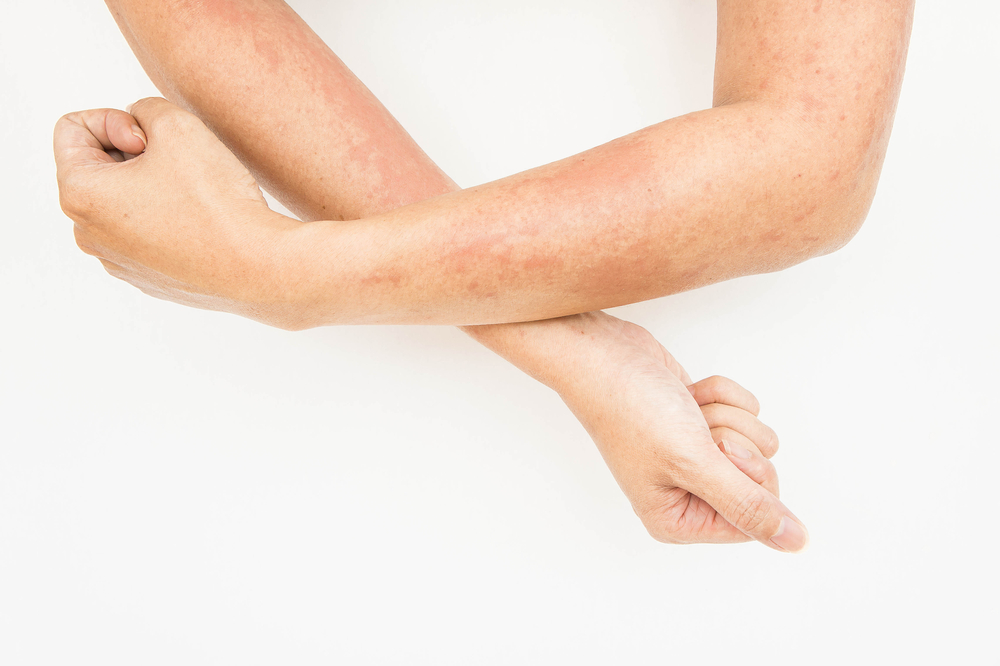
How you dry off matters just as much as how you wash. Rubbing your skin vigorously with a rough, old towel can cause micro-abrasions on the surface of your skin. This physical irritation, combined with the loss of moisture from the shower, can trigger a histamine response.
Pro-tip for 2026: Switch to a microfiber towel and use a “pat-dry” motion rather than scrubbing. This preserves the moisture your skin has just absorbed and prevents unnecessary friction.
How to Prevent Post-Shower Itching
To stop the cycle of scratching, incorporate these dermatologist-recommended habits into your routine:
- Lower the Temperature: Aim for lukewarm water rather than hot.
- Limit Shower Time: Keep your showers under 10 minutes to prevent over-stripping your oils.
- Apply Moisturizer Immediately: The “3-minute rule” is vital. Apply a fragrance-free, ceramide-rich lotion while your skin is still slightly damp to lock in hydration.
- Use a Water Softener: If hard water is the issue, installing a showerhead filter can significantly reduce mineral exposure.
- Choose Gentle Cleansers: Look for products labeled “hypoallergenic,” “soap-free,” or “for sensitive skin.”
Conclusion
Understanding why your skin itches after a shower is the key to achieving the comfort you deserve. Whether it’s caused by the harsh chemicals in your body wash, the temperature of your water, or an underlying skin condition, small changes can yield big results.
If you find that your itching persists despite switching to gentle products and cooler showers, it is always a good idea to consult a board-certified dermatologist. They can help identify if your symptoms are related to an allergy or a condition that requires medical intervention. Protect your skin barrier, and your skin will thank you!