
We have all been there: you step out of a long, steaming shower feeling refreshed, but suddenly, your knees go soft, your head spins, and a wave of exhaustion washes over you. Feeling weak after taking a shower is a surprisingly common phenomenon that leaves many people wondering if their health is at risk.
In 2026, as we continue to prioritize wellness and self-care, understanding these physiological “glitches” is essential. While a shower is meant to be a relaxing ritual, your body is actually undergoing a complex series of adjustments when exposed to high heat and humidity. Let’s dive into why this happens and how you can stop the post-shower slump.

The Science of the “Shower Crash”
When you step into a hot shower, your body immediately begins working to regulate its internal temperature. Heat causes your blood vessels to dilate—a process known as vasodilation. This widening of the veins helps your body release heat, but it also leads to a sudden drop in blood pressure.
If your body cannot compensate quickly enough, your brain receives slightly less oxygenated blood than it is used to. This is often the primary reason for post-shower dizziness or that shaky, weak feeling in your limbs. Think of it as your cardiovascular system taking a momentary “time out” while it tries to recalibrate.
Key Causes for Post-Shower Fatigue
Why does this happen to some people more than others? Several factors can exacerbate the sensation of weakness after a warm rinse.
1. Heat-Induced Hypotension
The most common culprit is orthostatic hypotension. When you stand up from a bath or step out of a shower, gravity pulls blood toward your legs. If your blood vessels are already dilated from the heat, your heart has to work extra hard to pump blood back up to your brain. This mismatch causes the lightheadedness you feel.
2. Dehydration and Electrolyte Imbalance
By 2026, we know that hydration is about more than just water. If you are dehydrated before entering the shower, the heat will only accelerate fluid loss through sweat, even if you don’t realize you are sweating. A lack of essential electrolytes like sodium and potassium can make your muscles feel shaky and weak once the steam subsides.
3. The “Vagal Response”
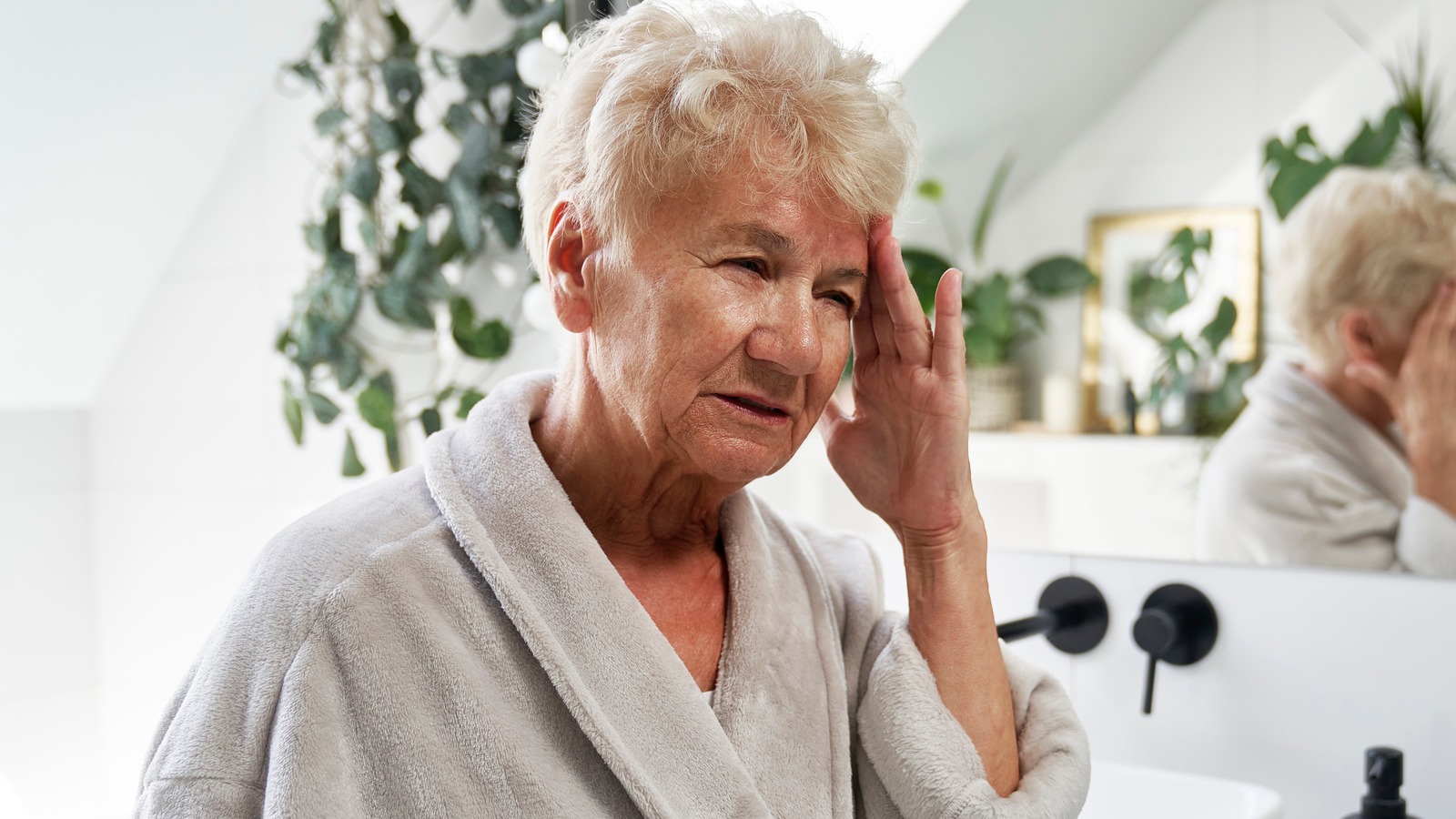
Sometimes, the warmth of a shower can overstimulate the vagus nerve. This nerve plays a major role in regulating heart rate and blood pressure. When triggered, it can cause a sudden dip in both, leading to that “jelly-leg” sensation. It is a protective, albeit uncomfortable, physiological reflex.
How to Prevent Feeling Weak After a Shower
You don’t have to give up your relaxing shower routine. Implementing a few small changes can make a world of difference in how you feel when you step onto the bathmat.
- Lower the Temperature: Try finishing your shower with 30 seconds of lukewarm or cool water. This helps constrict your blood vessels back to their normal state, stabilizing your blood pressure.
- Stay Hydrated: Drink a glass of water before you shower, especially if you enjoy high-temperature sessions.
- Move Slowly: When exiting the shower, take your time. Sit down on a shower stool or the edge of the tub for a moment before standing up to walk away.
- Check Your Environment: Ensure the bathroom is well-ventilated. High humidity can make it harder for your body to cool down, increasing the stress on your system.
When Should You See a Doctor?
While feeling weak after a shower is often a benign reaction to heat, it is important to listen to your body. If you experience the following symptoms, it may be time to consult a healthcare professional:
- Fainting or loss of consciousness during or after a shower.
- Persistent heart palpitations or chest pain.
- Weakness that lasts for more than a few minutes after exiting the bathroom.
- Chronic dizziness that occurs regardless of temperature.
These could be signs of underlying conditions like anemia, POTS (Postural Orthostatic Tachycardia Syndrome), or heart rhythm issues. In 2026, with the rise of wearable health tech, consider monitoring your heart rate during your routine to see if there are significant spikes or drops that warrant a doctor’s visit.
Conclusion: Listen to Your Body
Feeling weak after taking a shower is rarely a cause for major alarm, but it is a clear signal that your body is struggling to maintain homeostasis. By managing your temperature, staying hydrated, and avoiding rapid position changes, you can keep your showers as relaxing as they were intended to be.
Remember, your body is a complex machine. When it tells you to slow down, listen to it. Taking a moment to rest after a hot shower isn’t “weakness”—it’s smart recovery.