
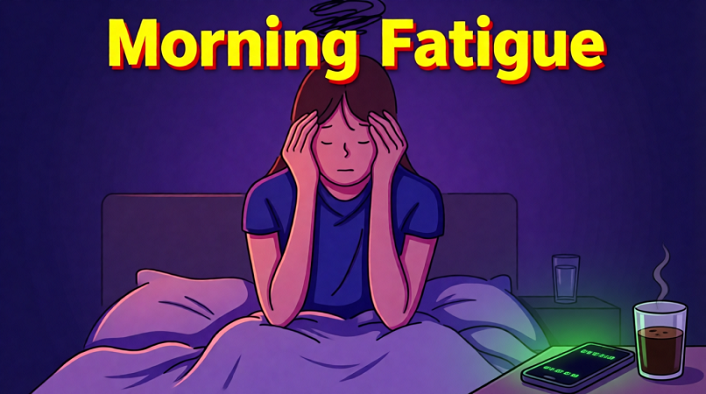
You crawled into bed at a decent hour. You hit your target of seven to nine hours of sleep. Yet, when the alarm rings, you feel like you haven’t slept in days. If you find yourself asking, “Why do I feel tired even after resting?” in 2026, you are certainly not alone.
Persistent fatigue is one of the most common complaints in modern healthcare. It is a complex issue that rarely stems from a single cause. Often, the culprit isn’t just a lack of sleep—it is a lack of restorative rest or an underlying physiological imbalance.
The Difference Between Sleep and Rest
Many people mistakenly believe that sleep and rest are the same thing. In reality, they are distinct processes. You can be physically asleep but mentally or emotionally exhausted.
Emotional fatigue and nervous system stress are two of the biggest silent energy thieves of 2026. If your brain is stuck in a “fight or flight” mode due to chronic stress, your body never enters the deep, parasympathetic state required for true recovery. Even if you are unconscious for eight hours, your brain remains hyper-vigilant, preventing you from waking up refreshed.
Physical Culprits: When Your Body Needs More Than a Nap
If you are consistently exhausted, your body may be signaling an underlying health issue. In 2026, diagnostic tools have become more advanced, but the classic “fatigue suspects” remain the most common reasons for unexplained exhaustion:
- Iron-Deficiency Anemia: A lack of healthy red blood cells means less oxygen is being transported to your tissues and muscles.
- Thyroid Imbalance: Hypothyroidism can slow your metabolism to a crawl, leaving you feeling sluggish regardless of how much you sleep.
- Hidden Infections: Sometimes, the body is fighting off low-grade viral or bacterial load that doesn’t trigger a full fever but drains your energy reserves.
- Sleep Quality Issues: Disorders like sleep apnea or restless leg syndrome can fragment your sleep, meaning you are technically “sleeping” but never reaching the restorative REM stages.

The Seven Signs of Extreme Fatigue
How do you know if your tiredness is “normal” or if it’s a sign of a deeper issue? If you are experiencing extreme fatigue, you might notice these seven warning signs:
- Brain Fog: Difficulty concentrating or feeling “spaced out” during the day.
- Muscle Heaviness: A physical sensation that your limbs feel like lead.
- Irritability: A shortened fuse caused by your body’s inability to regulate stress.
- Morning Dread: Feeling worse immediately upon waking than you did before bed.
- Lack of Motivation: The inability to find the drive to complete simple daily tasks.
- Dependency on Stimulants: Needing excessive caffeine or sugar just to maintain a baseline level of function.
- Frequent Illness: A suppressed immune system that leaves you vulnerable to every cold that goes around.
If these symptoms persist for more than two weeks, it is time to consult with a medical professional to rule out chronic conditions.
Are You Getting the “Right” Kind of Rest?
Sometimes, we feel drained because we aren’t engaging in the seven types of rest required for a balanced life. According to current wellness research, restorative rest isn’t just about lying on the couch. You may need:
- Mental Rest: Taking breaks from constant digital stimulation.
- Sensory Rest: Reducing exposure to bright lights, loud noises, and endless notifications.
- Social Rest: Distancing yourself from energy-draining relationships.
- Creative Rest: Allowing yourself to appreciate beauty or nature without needing to “produce” anything.

How to Break the Cycle of Exhaustion
If you’re ready to stop asking “why do I feel tired even after resting” and start feeling energized, consider these actionable steps:
1. Optimize Your Sleep Hygiene
Ensure your bedroom is a sanctuary. Keep it cool, dark, and free of blue-light-emitting devices for at least 60 minutes before bed. In 2026, many experts recommend non-sleep deep rest (NSDR) protocols or guided meditations to help transition the nervous system into a restorative state.
2. Check Your Nutrient Levels
Schedule a blood panel. Specifically, ask your doctor to check your Vitamin D, B12, and iron levels. These common deficiencies are often overlooked but are easily treated with supplementation or dietary adjustments.
3. Manage Your Stress Response
If your stress is chronic, your cortisol levels are likely dysregulated. Practices like breathwork, yoga, or professional counseling are not just “luxuries”—they are functional tools to help reset your nervous system.
4. Move Intentionally
It sounds counterintuitive, but sedentary behavior can actually make you feel more tired. Gentle, consistent movement—like a daily walk—improves circulation and helps regulate your circadian rhythm.
Conclusion
Feeling tired even after resting is a clear signal from your body that something is out of balance. Whether it is an undiagnosed medical condition, poor sleep quality, or the cumulative effect of emotional and nervous system stress, you don’t have to accept exhaustion as your new normal.
Start by listening to the specific signals your body is sending. By addressing the root cause rather than just masking the symptoms with more caffeine, you can reclaim your energy and vitality in 2026 and beyond.