
Have you ever sat in an office where everyone else is basking in the warmth, yet you are huddled under a sweater, shivering? It is a common frustration that can make you wonder if your internal thermostat is broken. While temperature perception is often subjective, being the “cold one” in a room can sometimes point to deeper physiological realities.
As we navigate through 2026, our understanding of human thermoregulation has evolved. Feeling cold when others are comfortable isn’t always just about your preference; it can be an insightful signal from your body. In this guide, we will explore the science of temperature sensitivity and when it might be time to consult a professional.
The Science of Your Internal Thermostat
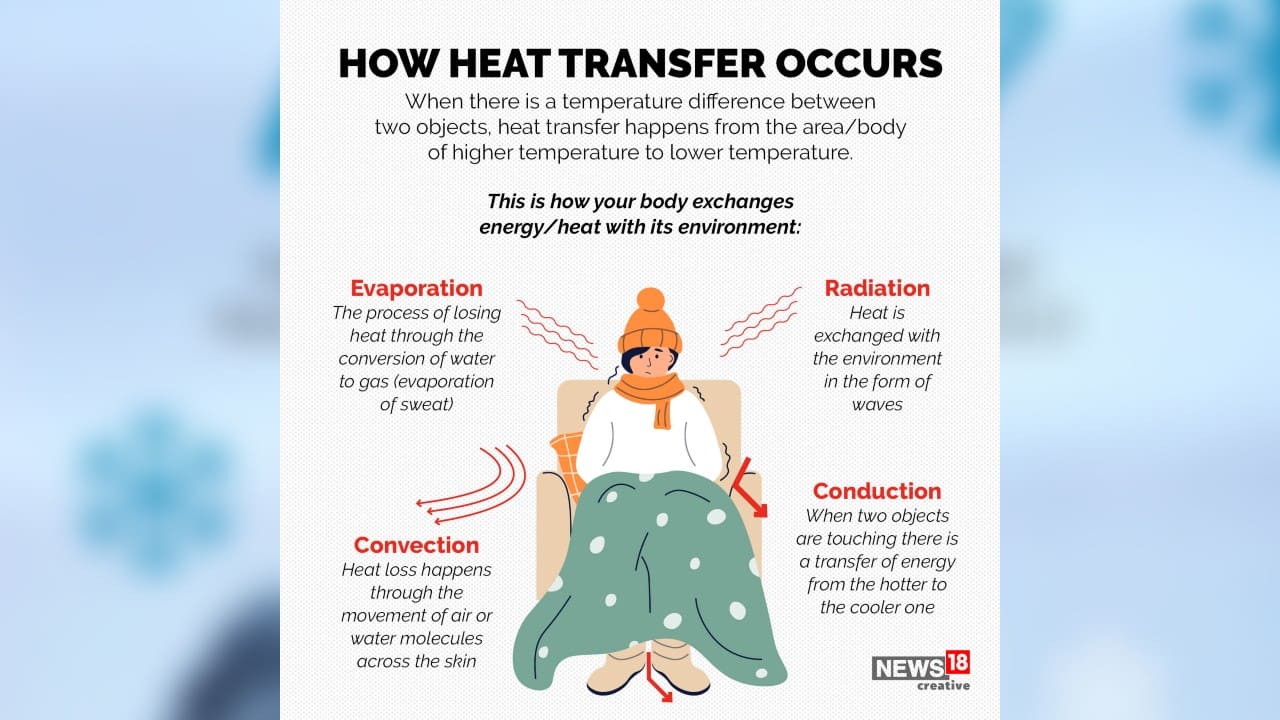
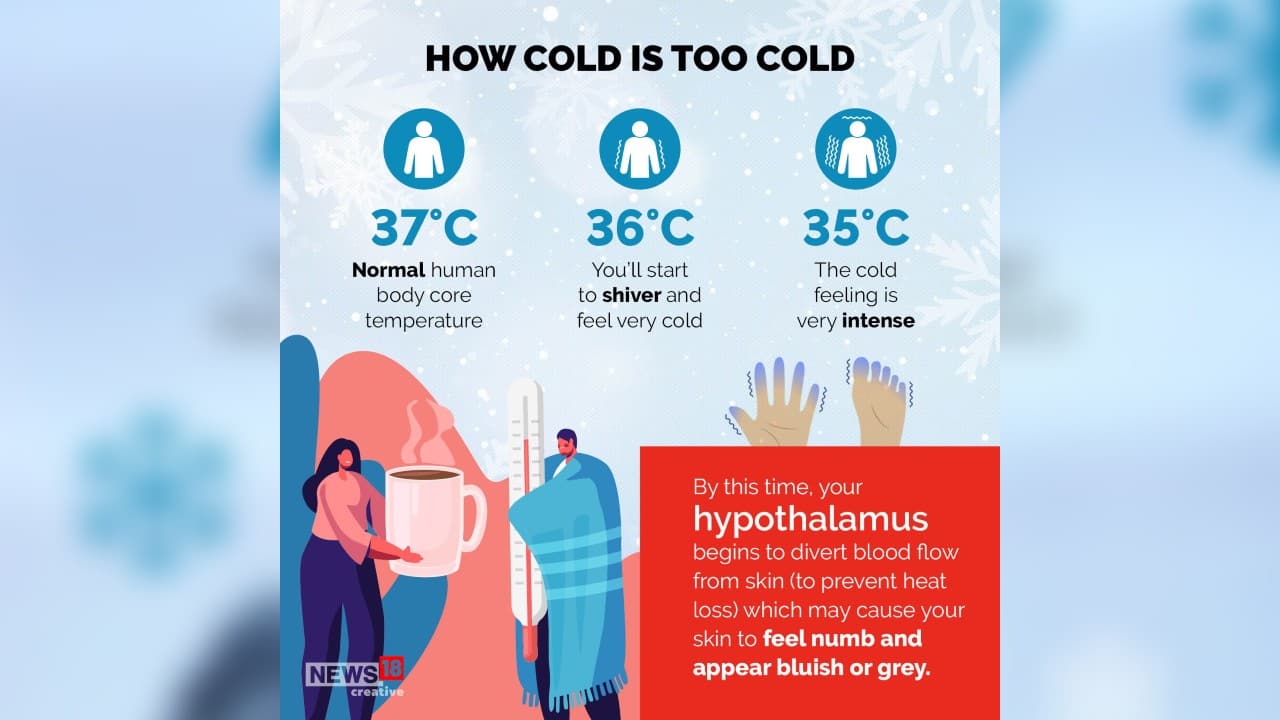
Your body functions like a sophisticated machine, constantly working to maintain a core body temperature of approximately 37°C (98.6°F). This process, known as thermoregulation, is managed by the hypothalamus—a small region in the brain that acts as your internal command center.
When your environment changes, your body adjusts blood flow to the skin and triggers involuntary responses like shivering or sweating. However, several biological factors can shift this “set point,” making some people naturally more sensitive to cold than others.
Common Reasons You Might Feel Cold
If you find yourself constantly reaching for a blanket while others are in short sleeves, it is worth considering these common physiological drivers.
1. Metabolic Rate and Body Composition
Your metabolic rate—the speed at which your body converts food into energy—plays a massive role in heat production. Individuals with a higher muscle mass tend to generate more heat, while those with less muscle may feel colder more easily. Additionally, body fat acts as insulation; those with a lower percentage of body fat may lose heat to the environment faster than others.
2. Hormonal Imbalances
Hormones are the chemical messengers that regulate your metabolic pace. Hypothyroidism is one of the most common medical reasons for cold intolerance. When your thyroid gland doesn’t produce enough hormones, your body’s metabolism slows down, leading to a drop in internal heat production. If you also experience fatigue, unexplained weight gain, or dry skin, this is a factor to discuss with your doctor.
3. Circulation and Vascular Health
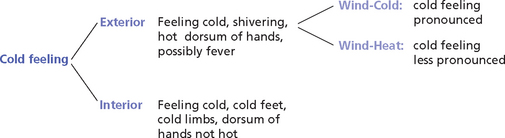
If your hands and feet are the first to get cold, you might be dealing with issues related to peripheral circulation. Conditions like Peripheral Artery Disease (PAD) or Raynaud’s phenomenon can restrict blood flow to the extremities. When blood doesn’t circulate efficiently to your fingers and toes, they feel significantly colder than the rest of your body, even in mild temperatures.
4. Nutritional Deficiencies
In 2026, we are seeing more focus on how micronutrients impact daily function. Iron-deficiency anemia is a classic culprit for feeling cold. Iron is essential for red blood cells to transport oxygen throughout your body; without enough, your cells struggle to produce the energy needed to keep you warm. Similarly, a deficiency in Vitamin B12 can also contribute to feelings of coldness and fatigue.
Lifestyle Factors That Influence Temperature Sensitivity
Sometimes, the reason you feel cold isn’t a medical mystery but a result of your daily habits.
- Sleep Deprivation: When you are tired, your body’s ability to regulate temperature effectively is compromised.
- Dehydration: Water helps your body retain heat and maintain stable internal temperatures.
- Chronic Stress: High levels of cortisol can impact your nervous system, sometimes leading to fluctuations in how you perceive environmental temperature.
When Should You See a Doctor?
Most of the time, being “cold-natured” is simply a quirk of your physiology. However, if your cold intolerance is a new development or is accompanied by other symptoms, it is time to seek professional medical advice. Keep an eye out for:
- Unexplained weight changes (either gain or loss).
- Persistent fatigue that doesn’t improve with sleep.
- Changes in skin texture or hair loss.
- Numbness or tingling in your extremities.
A simple blood panel can often rule out common concerns like anemia or thyroid dysfunction, providing you with peace of mind and a clear path forward.
Conclusion: Embracing Your Internal Climate
Feeling cold when others feel hot is rarely a cause for alarm, but it is a fascinating window into how your body manages its energy. By understanding the roles of metabolism, circulation, and hormonal health, you can make informed choices about your diet, lifestyle, and health monitoring.
Whether it is simply adding an extra layer or checking in with your healthcare provider, listen to what your body is telling you. You are the expert on your own experience—don’t be afraid to advocate for your comfort in 2026 and beyond.