
It is a scenario many of us know all too well: you are facing a looming deadline, navigating a difficult personal conversation, or simply feeling overwhelmed by the pace of life in 2026. Suddenly, your breathing becomes shallow, and you feel a distinct, heavy tightness in your chest.
For many, this physical sensation triggers an immediate wave of panic. Is it a heart issue? Is it a lung problem? While it is easy to jump to the worst-case scenario, understanding the physiological connection between your mind and your body is the first step toward finding relief.
The Biology of Stress: Why Your Chest Tightens
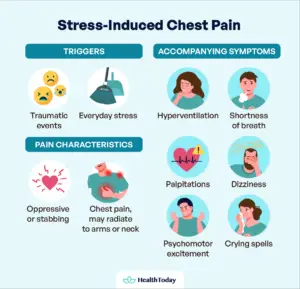
When you experience stress, your brain triggers the “fight-or-flight” response. This evolutionary mechanism releases a flood of hormones, primarily adrenaline and cortisol, into your bloodstream. These hormones are designed to prepare your body for immediate physical action.
As your heart rate accelerates to pump oxygenated blood to your muscles, the muscles in your chest wall often become tense. This involuntary muscle contraction is a primary reason why you feel a “band-like” pressure around your ribcage.

Beyond Anxiety: Other Causes of Chest Tightness
While stress and anxiety are frequent culprits, it is vital to remember that chest tightness is a non-specific symptom. This means it can stem from a variety of sources, some benign and others requiring urgent medical intervention.
Common reasons for chest discomfort include:
- Acid Reflux or GERD: Stomach acid rising into the esophagus can mimic the sensation of chest pressure.
- Musculoskeletal Strain: Poor posture or intense exercise can lead to inflammation in the chest wall.
- Asthma: Respiratory issues can cause a feeling of constriction, especially when exacerbated by emotional stress.
- Heart-Related Issues: Conditions like angina or heart disease can present as tightness, making it critical to never ignore persistent pain.
When Should You Seek Medical Help?
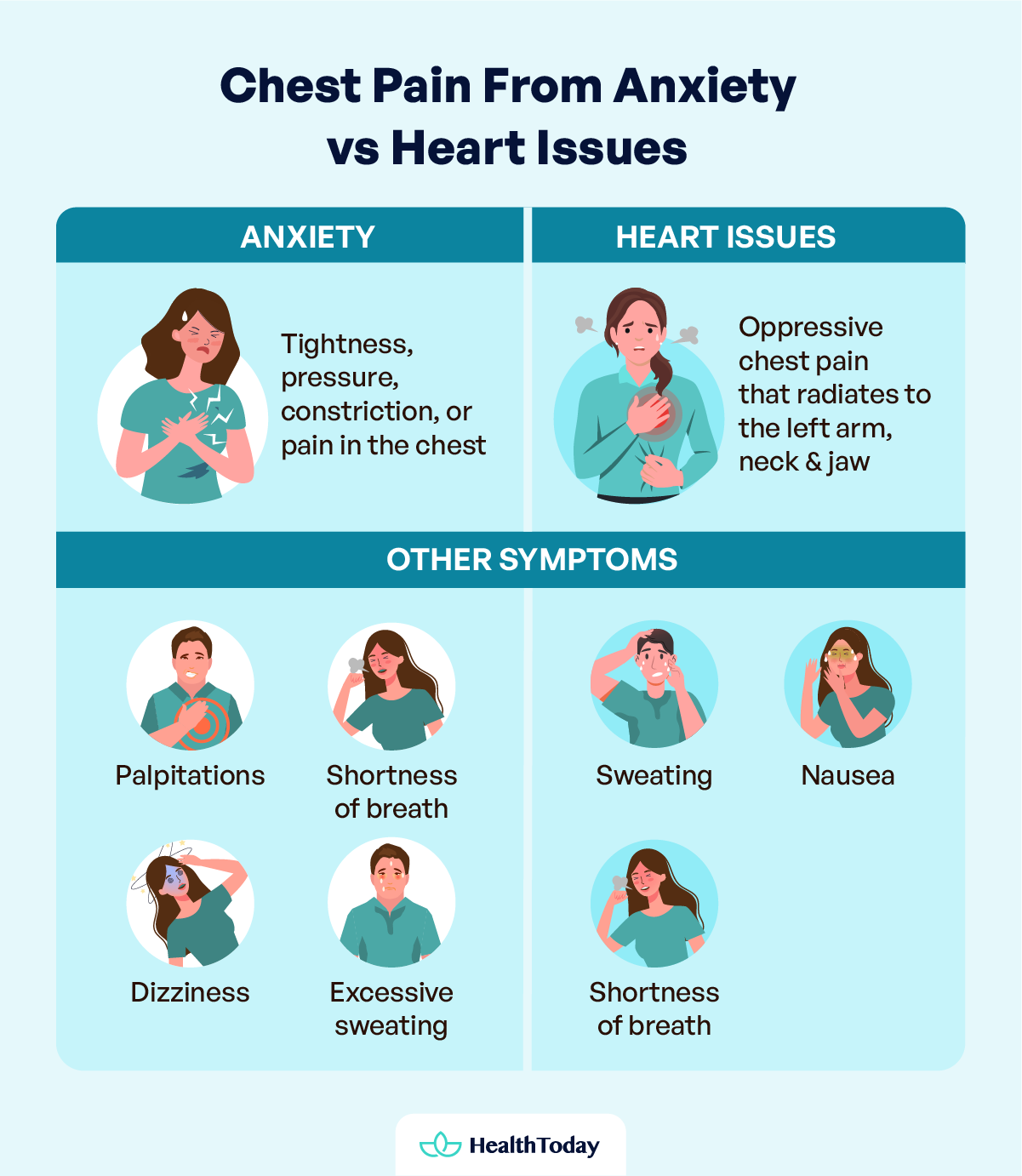
In 2026, healthcare providers emphasize that while stress is a common cause of chest tightness, you should never attempt to self-diagnose. The symptoms of an anxiety attack and a cardiac event can overlap significantly, making professional evaluation essential.
Red Flags That Require Immediate Care:
If your chest tightness is accompanied by any of the following, seek emergency medical assistance immediately:
- Radiating pain that moves to your jaw, neck, back, or one/both arms.
- Shortness of breath that does not improve when you calm down.
- Dizziness, lightheadedness, or fainting.
- Cold sweats or nausea occurring alongside the chest pressure.
If you live in areas like Brampton, Mississauga, or Milton, or anywhere with access to modern medical diagnostics, a timely cardiology assessment can provide the peace of mind you need. Getting a clean bill of health from a specialist is the most effective way to confirm that your symptoms are, indeed, stress-related.
Coping Strategies for Stress-Induced Tightness
Once a medical professional has ruled out underlying heart or lung conditions, you can begin to manage the physical symptoms of stress more effectively.
1. Controlled Breathing Techniques
When your chest feels tight, your breathing often becomes rapid and shallow, which only worsens the sensation. Practice diaphragmatic breathing: inhale deeply through your nose for four seconds, hold for four, and exhale slowly through pursed lips for six seconds.
2. Progressive Muscle Relaxation (PMR)
Since stress-induced chest tightness is essentially a muscle contraction, PMR can help. Systematically tense and then release different muscle groups in your body, starting from your toes and working your way up to your shoulders and chest.
3. Mindfulness and Grounding
In 2026, digital tools like biofeedback apps can help you monitor your heart rate variability in real-time. Using grounding techniques—such as naming five things you see, four you can touch, and three you can hear—can help pull your nervous system out of a “fight-or-flight” loop.
Conclusion: Listen to Your Body
Feeling tightness in your chest when stressed is a common human experience, but it serves as an important signal from your body. It is a reminder that your mental health and physical health are inextricably linked.
By acknowledging the symptom, ruling out serious medical conditions, and implementing effective stress-management techniques, you can regain control. Remember, your heart health is a priority; when in doubt, always lean toward caution and consult a healthcare provider. Prioritize your well-being, manage your stress triggers, and give your body the rest it needs to thrive in the modern world.