
For millions of people, the morning ritual of brewing a fresh cup of coffee is the ultimate wake-up call. However, if you have started noticing mild chest discomfort after drinking coffee in 2026, you aren’t alone. While coffee is widely celebrated for its antioxidant properties and cognitive benefits, it can occasionally trigger physical reactions that leave you feeling uneasy.
Is your morning caffeine habit actually harmful to your heart, or is there a simpler, digestive explanation for that tightness? Understanding the nuances between benign reactions and potential medical emergencies is essential for your long-term health.
Why Does Coffee Affect Your Chest?
The physiological impact of coffee goes far beyond a simple energy boost. When you consume caffeine, it acts as a stimulant on your central nervous system, which can have downstream effects on your cardiovascular and digestive systems.

1. The Acid Reflux Connection
The most common culprit for chest discomfort post-coffee is acid reflux or GERD (Gastroesophageal Reflux Disease). Coffee is naturally acidic, and caffeine is known to relax the lower esophageal sphincter (LES)—the valve that keeps stomach acid from moving upward. When this valve relaxes, stomach acid can escape into the esophagus, causing a burning sensation that mimics chest pain.
2. Caffeine-Induced Palpitations
Caffeine is a stimulant that increases your heart rate and blood pressure. For individuals with a high sensitivity to caffeine, this can lead to heart palpitations or a sensation of a “pounding” chest. This isn’t necessarily a heart attack, but it can feel like a tightness or fluttering that causes significant anxiety.
Distinguishing Between Digestive Issues and Cardiac Events
It is a dangerous misconception to assume that because your pain appeared after a cup of coffee, it must be “just acid reflux.” In 2026, medical professionals emphasize that chest pain must never be ignored.
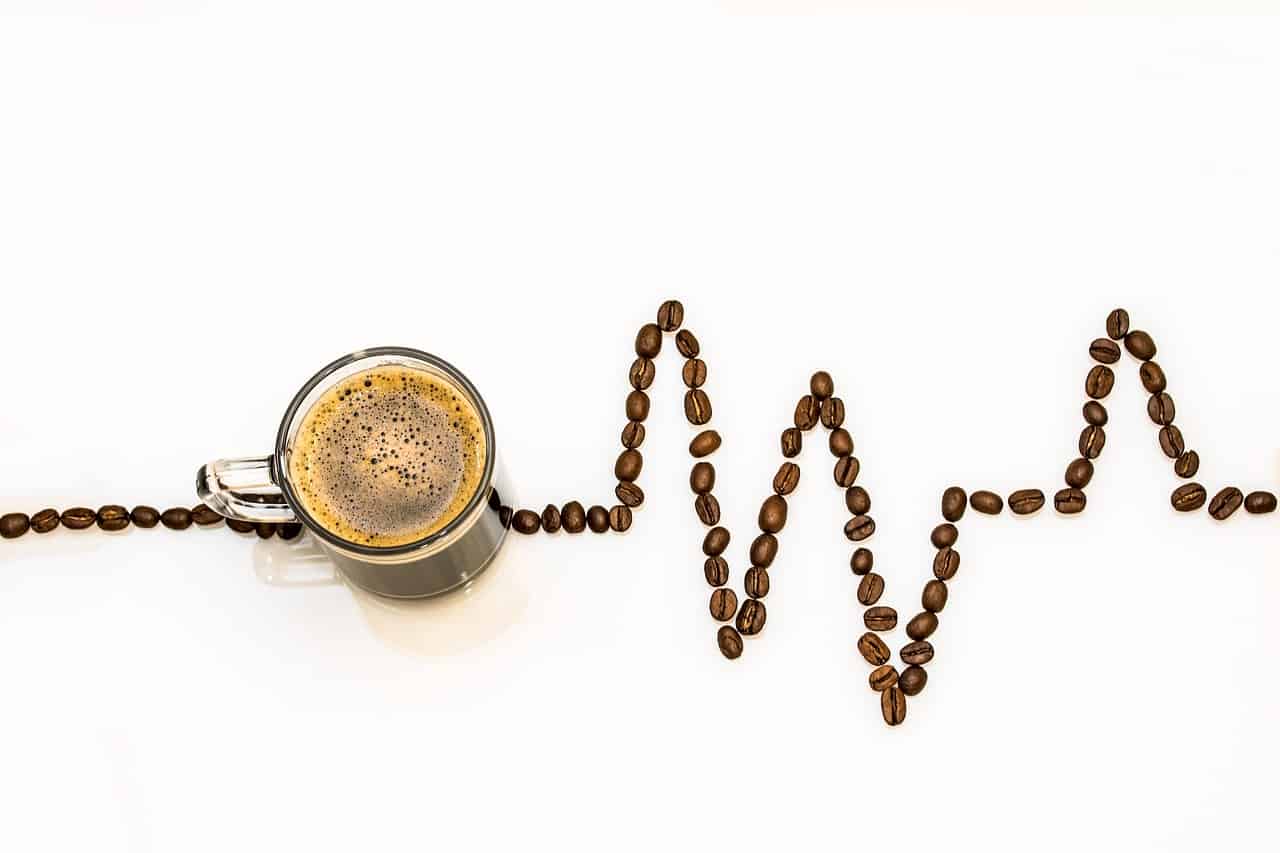
When to Seek Immediate Medical Attention
If your discomfort is accompanied by any of the following, you should treat it as a medical emergency and seek professional help immediately:
- Radiating pain: Discomfort spreading to your jaw, neck, back, or left arm.
- Shortness of breath: Difficulty catching your breath, even while resting.
- Dizziness or lightheadedness: Feeling faint or losing balance.
- Cold sweats: Sudden, unexplained perspiration.
- Unrelenting pressure: A feeling of a “heavy weight” sitting on your chest that does not improve.
Important Note: The fact that your pain may have started after drinking coffee does not rule out cardiac causes. Heart-related issues can coincide with dietary habits, and only a diagnostic test (like an ECG or blood work) can confirm the source of your chest pain.
Managing Caffeine Sensitivity: Practical Tips
If your doctor has cleared you of any underlying heart conditions, you may simply be dealing with caffeine intolerance or high stomach acidity. Here are several strategies to mitigate discomfort in 2026:
- Switch to Low-Acid Roasts: Cold brew coffee is significantly less acidic than traditional hot-brewed coffee and is often much easier on the stomach lining.
- Hydrate First: Never drink coffee on an empty stomach. Consuming a glass of water or a small meal before your coffee can buffer the acidity.
- Monitor Your Dosage: If you are sensitive to stimulants, consider tapering your intake. Replacing your second cup with green tea or decaffeinated options can reduce the systemic load on your heart.
- Keep a Symptom Diary: Track when the discomfort occurs, what type of coffee you drank, and what you ate. This data is invaluable when you discuss your symptoms with a healthcare provider.

Lifestyle Adjustments for Heart and Digestive Health
Beyond coffee, your overall lifestyle plays a massive role in how your body reacts to stimulants. Incorporating regular cardiovascular exercise can help your body process stimulants more efficiently. Additionally, managing stress levels is vital; high cortisol levels combined with caffeine can exacerbate the sensation of chest tightness.
If you find that even small amounts of coffee lead to recurring chest discomfort, it is time to consult a gastroenterologist or a cardiologist. They can perform an endoscopy to check for esophageal damage or a stress test to ensure your heart is functioning optimally under pressure.
Conclusion: Listen to Your Body
While many people experience mild chest discomfort after drinking coffee due to benign issues like acid reflux, your health should always be the priority. In 2026, with advanced diagnostic tools available, there is no reason to live with persistent chest pain.
Always err on the side of caution. If your body is signaling that something is wrong, listen to it. Use coffee as an enjoyable part of your day, not as a source of physical stress. If the discomfort persists, schedule an appointment with your primary care physician to rule out any serious conditions and find a path forward that keeps you both caffeinated and healthy.