
In the fast-paced world of 2026, where intermittent fasting, “One Meal a Day” (OMAD), and back-to-back virtual meetings are the norm, skipping meals has become a common habit. However, many people are discovering a painful side effect: a sharp, gnawing, or cramping sensation in the abdomen.
If you have ever wondered why your stomach feels like it’s “eating itself” after you skip lunch, or why it hurts even more once you finally sit down to eat, you are not alone. Stomach pain after skipping meals is a physiological signal that your digestive system is under stress. This guide explores the science behind these pains and how to manage them in our modern wellness landscape.
The Science of Hunger: Why Your Stomach Aches When Empty
When you skip a meal, your body doesn’t just “pause” its digestive functions. Instead, it continues to prepare for food that isn’t arriving. This leads to several biological triggers for discomfort.
1. The Build-up of Gastric Acid
Your stomach is a highly acidic environment designed to break down proteins. Even when you aren’t eating, your stomach continues to produce hydrochloric acid (HCl) at a baseline level. Without food to buffer this acid, it can irritate the stomach lining, leading to a burning sensation often mistaken for “hunger.”
2. Intense Hunger Pangs
Commonly known as hunger pangs, these are actual physical contractions of the stomach muscles. When the stomach is empty for a prolonged period, the hormone ghrelin signals the brain that it’s time to eat. This triggers peristaltic waves—strong contractions that can feel like sharp cramps or “knots” in the upper abdomen.
3. Trapped Gas and Air
When you skip meals, your digestive tract may still produce gases. Without the regular movement of food through the system, this gas can become trapped, leading to bloating and pressure. In 2026, health experts have noted that the “empty stomach bloat” is one of the most common complaints among those practicing strict fasting protocols.
Why Does It Hurt After You Finally Eat?
Ironically, the most intense pain often occurs the moment you break your fast. This is frequently referred to as “re-feeding syndrome” on a minor scale or simply digestive shock.
The “System Shock” Effect
After hours of inactivity, your digestive enzymes and gallbladder functions slow down. When you suddenly consume a large meal, your system is “shocked” into action. This can cause rapid stomach expansion, leading to immediate sharp pains and a feeling of extreme fullness or nausea.
Overeating and Binging
When you are ravenous from skipping meals, you are biologically prone to eating faster and consuming larger portions than usual. This leads to acute indigestion. Your stomach must work overtime to process the sudden influx of calories, resulting in heavy pressure and cramping.
Medical Conditions Linked to Skipping Meals
While occasional hunger is normal, persistent stomach pain after skipping meals may point to underlying health issues that require attention in 2026’s proactive healthcare environment.
Gastritis and Peptic Ulcers
If the protective lining of your stomach is weakened, the acid produced during a fast can cause significant damage. Gastritis (inflammation of the stomach lining) or peptic ulcers (sores) are often exacerbated by an empty stomach. If you feel a “gnawing” pain that improves slightly after eating but returns shortly after, you should consult a specialist.
GERD (Gastroesophageal Reflux Disease)
Skipping meals can actually worsen acid reflux. When the stomach is empty, the acid has nowhere to go but up. This can irritate the esophagus, causing chest pain and a sour taste in the mouth, which often intensifies once you finally eat and the stomach produces even more acid.
Irritable Bowel Syndrome (IBS)
For those with IBS, the irregular patterns of skipping meals and then “loading up” later can trigger the gastrocolic reflex. This results in immediate cramping, bloating, and an urgent need to use the bathroom following a delayed meal.
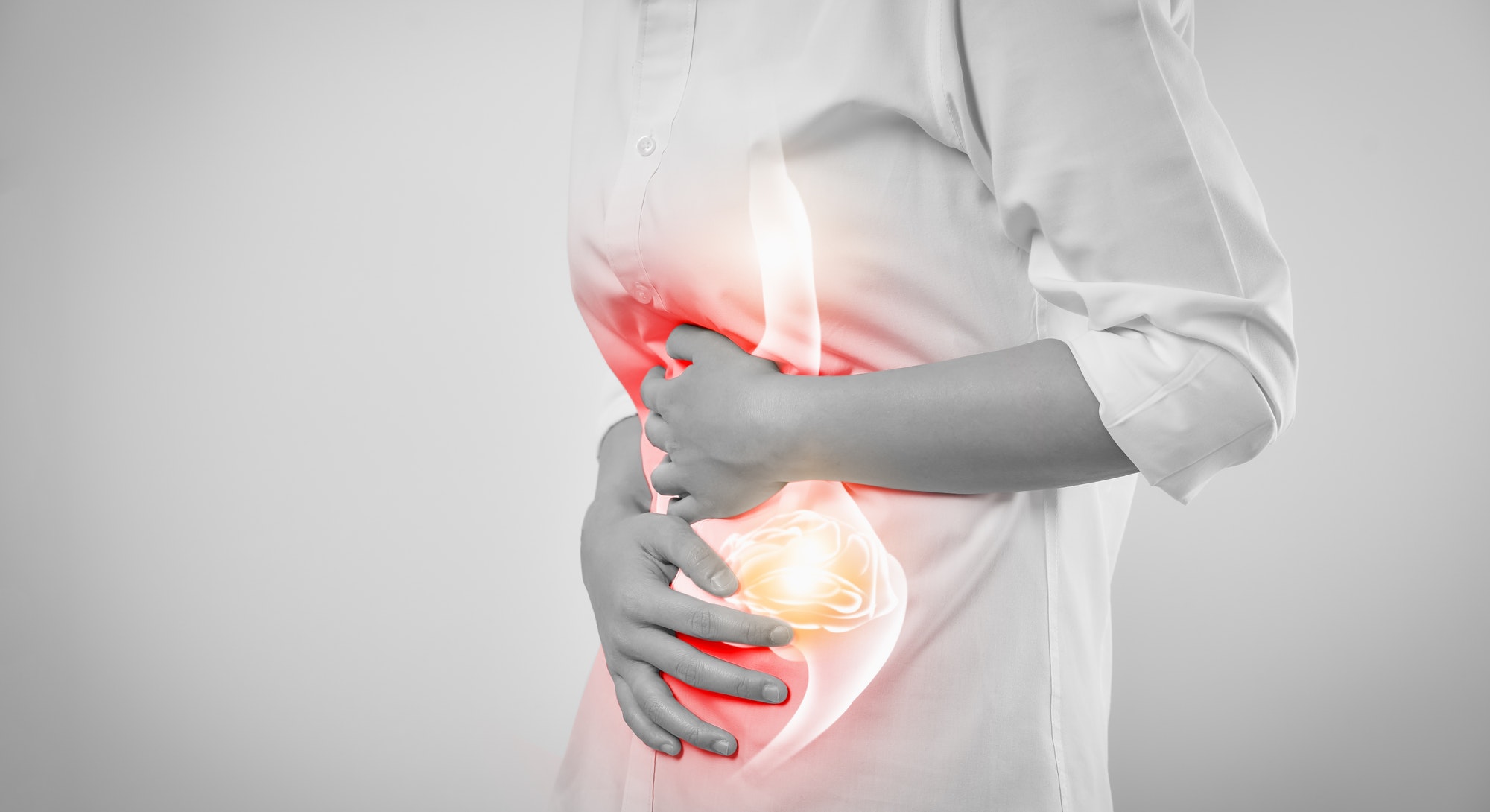
How to Prevent and Manage Stomach Pain in 2026
If your lifestyle necessitates long gaps between meals, there are several ways to protect your gut health and prevent discomfort.
- Stay Hydrated: Drinking water can help dilute stomach acid and soothe the stomach lining. However, avoid carbonated water on an empty stomach, as it can increase gas and bloating.
- The “Small Start” Rule: When breaking a long fast, start with a small, easily digestible snack—like a handful of almonds or a piece of fruit—20 minutes before your main meal. This “wakes up” your digestive enzymes.
- Focus on Fiber and Probiotics: A diet rich in prebiotic fibers and probiotics strengthens the gut microbiome, making your digestive system more resilient to irregular eating schedules.
- Avoid Irritants: If you are skipping meals, try to limit high-caffeine coffee or spicy foods on an empty stomach, as these are primary triggers for gastric irritation.
When to See a Doctor
While “hunger pains” are usually harmless, certain red flags indicate that your stomach pain after skipping meals needs professional evaluation:
- Persistent nausea or vomiting.
- Unintended weight loss.
- Blood in stool or black, tarry stools.
- Severe pain that prevents daily activities.
- Pain that does not resolve after normalizing your eating schedule.
In 2026, many people use smart gut-tracking apps to monitor these symptoms. If your data shows a consistent pattern of pain regardless of what you eat, it is time to schedule a consultation with a gastroenterologist.
Conclusion
Stomach pain after skipping meals is your body’s way of communicating its needs. Whether it is the result of acid buildup, muscle contractions, or digestive shock, understanding the “why” is the first step toward relief. By practicing mindful eating, staying hydrated, and being aware of underlying conditions like gastritis, you can maintain a high-performance lifestyle without sacrificing your digestive comfort.
Remember, your gut is your “second brain.” Listen to it, feed it consistently, and treat it with the care it deserves to stay healthy throughout 2026 and beyond.