
It is a common scenario: you sit down to enjoy a comforting bowl of rice, only to be met with sharp cramping, bloating, or a gnawing sensation shortly after. While rice is often recommended as a “bland” food for an upset stomach, many people in 2026 are discovering that it can sometimes be the source of their digestive distress.
If you find yourself asking, “Why does my stomach hurt after eating rice?” you are certainly not alone. Understanding the connection between this staple grain and your digestive health is the first step toward eating without discomfort.

The Mechanical Reality: Why Rice Can Trigger Discomfort
While rice is generally considered non-acidic and easy to digest, it is a dense carbohydrate. When you consume a large portion, your stomach must work harder to break down the starches. This mechanical pressure and the increased demand for digestive enzymes can stimulate the stomach lining to produce more acid.
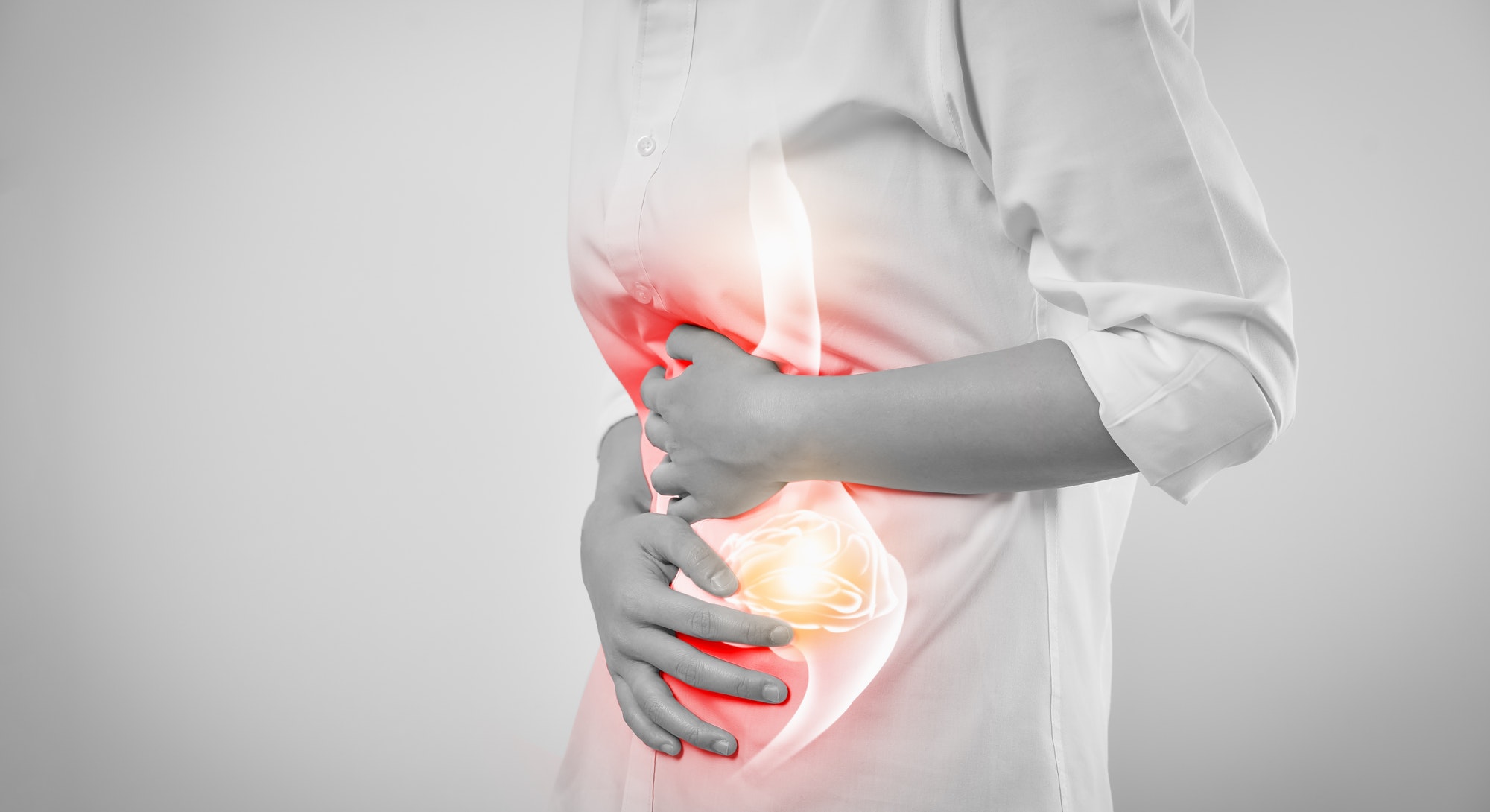
For those with sensitive stomachs, this process can manifest as a burning or gnawing pain in the upper abdomen. The density of the rice can also cause the stomach to distend, leading to that uncomfortable, “heavy” feeling that often mimics indigestion.
Is It “Fried Rice Syndrome”? Understanding the Risks
In 2026, food safety awareness is higher than ever, and it is vital to discuss the phenomenon often referred to as “Fried Rice Syndrome.” This is a specific type of food poisoning caused by the bacterium Bacillus cereus.
- The Cause: This bacteria produces toxins that are resistant to heat. If rice is cooked, left out at room temperature for too long, and then reheated, the bacteria can thrive.
- The Symptoms: If your stomach pain is accompanied by nausea, vomiting, or diarrhea, you may be dealing with foodborne illness rather than a simple sensitivity.
- Prevention: Always ensure rice is refrigerated promptly after cooking and reheated thoroughly to an internal temperature that kills potential pathogens.

Potential Underlying Digestive Issues
Sometimes, the rice isn’t the primary “villain,” but rather a trigger for an underlying condition. If you experience persistent stomach pain after eating rice, you should consider these possibilities:
1. Gastritis or Peptic Ulcers
If your stomach lining is already inflamed (gastritis) or you have an ulcer, the sheer volume of food—even bland rice—can trigger pain as the stomach stretches. The physical presence of the rice forces the stomach to secrete gastric juices, which can irritate existing sores.
2. Carbohydrate Malabsorption
Some individuals lack the enzymes necessary to break down specific types of complex starches efficiently. If you notice chronic bloating alongside your pain, you might be experiencing carbohydrate malabsorption, which allows bacteria in the large intestine to ferment the undigested starches, leading to gas and cramping.
3. Food Intolerance vs. Allergy
While rare, some people have a genuine sensitivity to rice proteins. Unlike celiac disease (which involves gluten), a rice intolerance may present as delayed abdominal pain, bloating, or even skin rashes.
How to Prevent Stomach Pain After Eating Rice
You don’t necessarily have to banish rice from your diet forever. By adjusting your eating habits, you can often mitigate the pain:
- Portion Control: Eat smaller, more frequent meals rather than one large bowl of rice. This reduces the mechanical load on your stomach.
- Chew Thoroughly: Digestion begins in the mouth. Salivary amylase starts breaking down starches before the rice even hits your stomach. Slowing down your eating process can significantly reduce bloating.
- Pairing Matters: Avoid eating rice with high-fat sauces or heavy proteins, which slow down gastric emptying and increase the time food sits in the stomach.
- Monitor Preparation: Ensure your rice is cooked properly and stored safely. Never leave rice out at room temperature for more than two hours.
Hydration: Drink water between meals rather than large amounts during* the meal to prevent diluting your digestive enzymes.
When to See a Doctor
While occasional discomfort is usually manageable, you should seek professional medical advice if your symptoms include:
- Unexplained weight loss or loss of appetite.
- Blood in your stool or vomit.
- Severe, unrelenting pain that prevents you from sleeping or performing daily tasks.
- Persistent diarrhea lasting more than 48 hours.
Conclusion
Stomach pain after eating rice is a multifaceted issue that can range from simple overeating to more complex digestive sensitivities or food safety hazards. By paying attention to how your body reacts, practicing better food handling, and controlling your portion sizes, you can take control of your digestive comfort.
If the pain persists despite these lifestyle adjustments, consult with a healthcare professional to rule out underlying conditions like gastritis or carbohydrate malabsorption. Your digestive health is the foundation of your overall well-being—don’t ignore what your body is trying to tell you in 2026.