
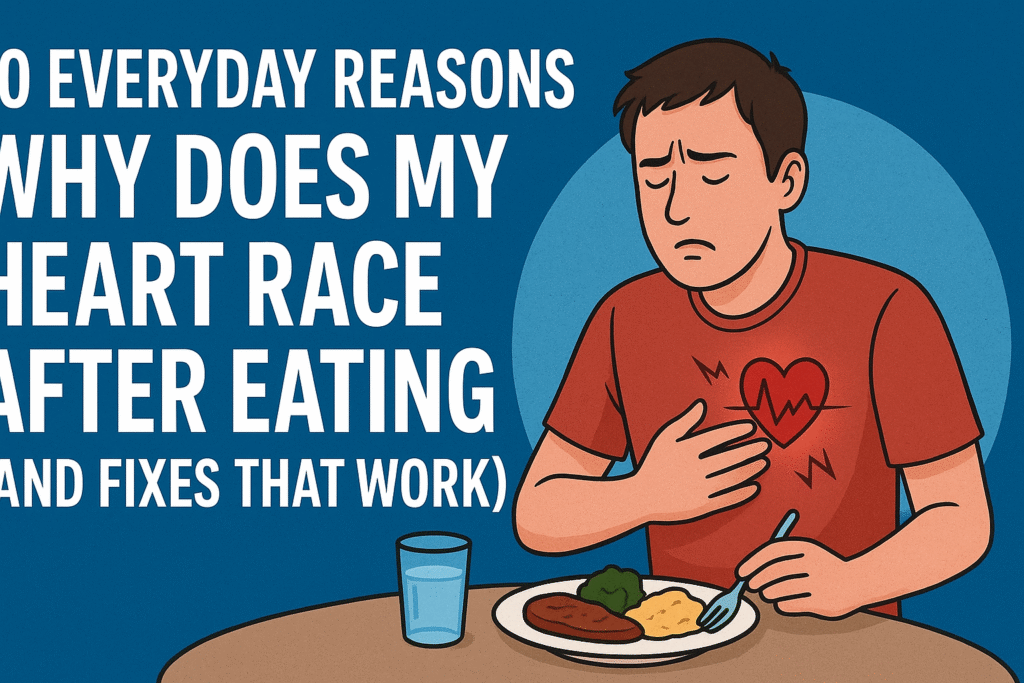
Waking up in the middle of the night or at the start of your morning with a pounding chest can be a jarring, unsettling experience. If you’ve ever found yourself asking, “Why does my heart race after waking up?” you aren’t alone. While the sensation of a racing heart—medically known as tachycardia—can trigger immediate anxiety, it is often a physiological response to internal or external factors rather than a sign of a cardiac emergency.
As we navigate through 2026, medical insights have become clearer regarding the intersection of sleep hygiene, lifestyle choices, and underlying health conditions. Understanding these triggers is the first step toward reclaiming peaceful mornings.
The Physiological “Wake-Up” Response
Sometimes, a racing heart is simply your body’s internal alarm clock misfiring. When you transition from deep sleep to wakefulness, your autonomic nervous system shifts gears. If you are startled awake by an alarm or a sudden noise, your body releases a surge of adrenaline, preparing you for a “fight or flight” response. This sudden spike can cause your heart rate to accelerate rapidly as you regain consciousness.
Common Lifestyle Triggers
In many cases, the culprit behind your racing heart is found in your daily habits. Small adjustments in your routine can often lead to significant improvements in your sleep quality.
1. Dehydration and Electrolyte Imbalance
If you haven’t consumed enough fluids throughout the day, your blood volume can decrease slightly. To compensate, your heart must pump faster to maintain blood pressure. Furthermore, an electrolyte imbalance—specifically low levels of magnesium or potassium—can disrupt the electrical signals that regulate your heartbeat.
2. The Impact of Alcohol and Caffeine
Consuming alcohol or high levels of caffeine close to bedtime is a leading contributor to nighttime tachycardia. Alcohol acts as a vasodilator and can cause blood sugar fluctuations during the night. As your body processes these substances, your heart rate often increases as part of the metabolic recovery process.

Medical Conditions That Cause Nighttime Tachycardia
While lifestyle factors are common, it is essential to consider underlying health issues that might require professional intervention.
Sleep Apnea: A Silent Disruptor
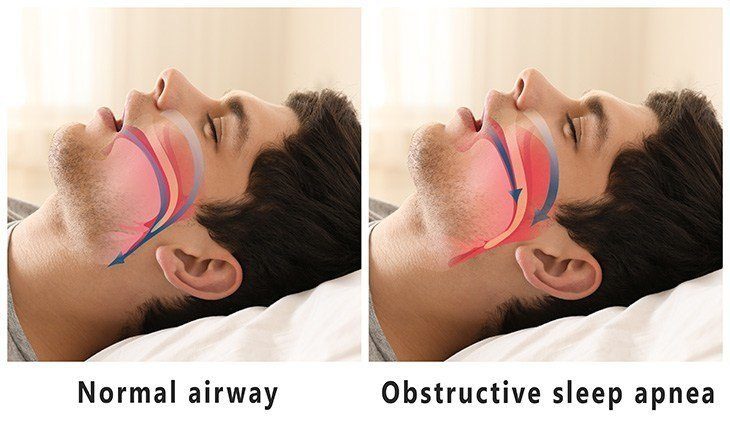
Obstructive Sleep Apnea (OSA) occurs when your breathing is repeatedly interrupted during sleep. When your oxygen levels drop, your brain sends an emergency signal to your heart to beat faster to circulate more oxygenated blood. This cycle of oxygen deprivation and recovery is a frequent cause of waking up with a racing heart.
Anxiety and Stress
Chronic stress keeps your body in a state of hyperarousal. Even while sleeping, your subconscious may be processing unresolved anxieties, leading to nocturnal panic attacks. These episodes can cause you to wake up suddenly with a feeling of dread and a rapid heart rate.
Heart Rhythm Disorders
Conditions like Atrial Fibrillation (AFib) involve irregular electrical impulses in the heart. While these can happen at any time, they are often more noticeable when you are resting or trying to fall asleep. If you experience frequent palpitations, it is critical to seek a diagnostic evaluation.
When Should You See a Doctor?
It is easy to dismiss a racing heart as “just stress,” but your health should never be a guessing game. You should schedule an appointment with a healthcare provider if you experience:
- Chest pain or pressure during the episode.
- Shortness of breath that persists after you have fully woken up.
- Dizziness, lightheadedness, or fainting spells.
- Episodes that occur multiple times a week or last for more than a few minutes.
In 2026, many cardiologists utilize wearable health technology—such as smartwatches with ECG capabilities—to help track these events. Sharing this data with your doctor can provide invaluable insights into your heart’s behavior during the night.
Tips to Calm Your Heart Upon Waking
If you wake up with a racing heart, try these immediate steps to ground yourself:
- Practice Deep Breathing: Use the 4-7-8 technique (inhale for 4 seconds, hold for 7, exhale for 8) to stimulate the vagus nerve and slow your heart rate.
- Hydrate: Keep a glass of water by your bedside and take small, slow sips.
- Stay Calm: Remind yourself that this is a temporary physiological response. Panic only releases more adrenaline, which will keep your heart racing longer.
- Change Your Position: Sometimes, simply sitting up or shifting your weight can help reset your heart’s rhythm.
Conclusion
Waking up with a racing heart is rarely an isolated event; it is usually a signal from your body that something—whether it be dehydration, stress, or a sleep disorder—needs your attention. By identifying the triggers discussed above and consulting with a medical professional, you can identify the root cause and work toward more restorative, peaceful sleep. Remember, your heart works hard for you 24/7; listening to its rhythms is a vital part of maintaining long-term wellness.