
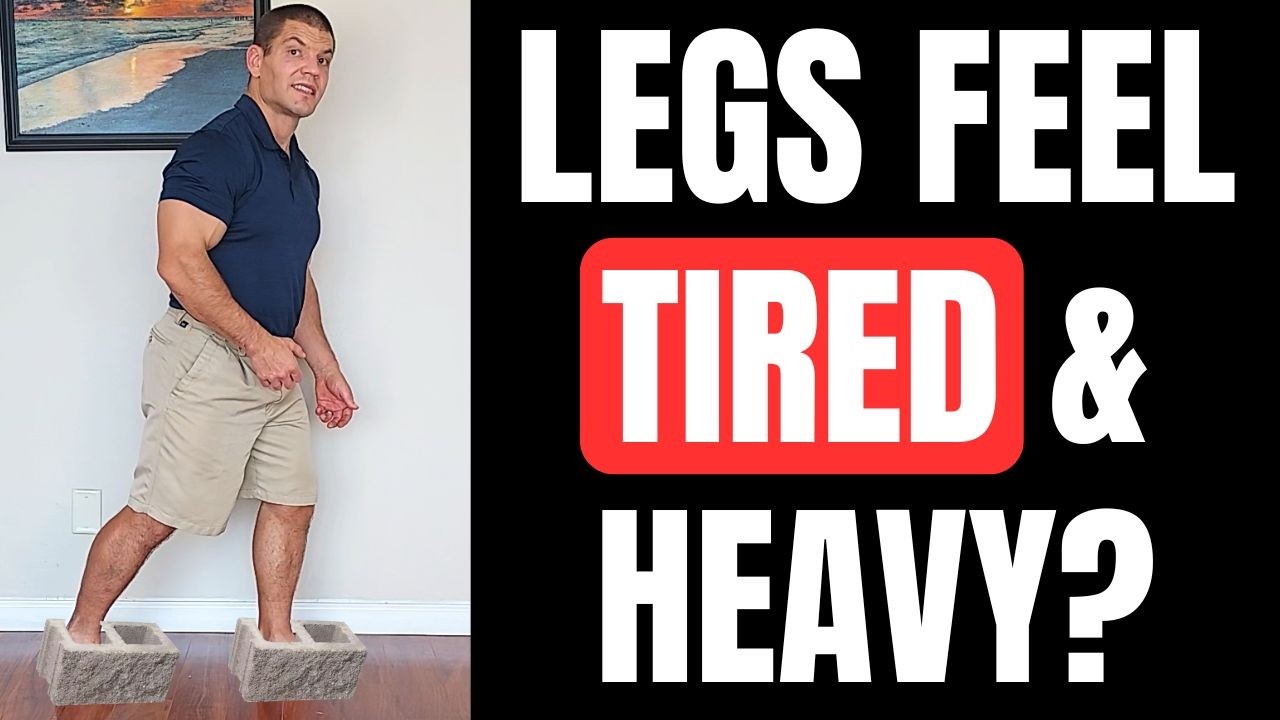
Do you find yourself dreading a walk to the mailbox or a stroll through the park because your legs feel like they’re encased in lead? If you’ve been asking, “Why do my legs feel heavy when walking?” in 2026, you aren’t alone. While many people dismiss this sensation as simple fatigue, persistent heaviness can be a signal from your body that requires attention.
Understanding the root cause is the first step toward reclaiming your mobility. From circulatory issues to muscle fatigue, let’s dive into why your legs might feel weighed down and how you can get moving with ease again.

Common Culprits: Why Your Legs Feel Like Lead
Leg heaviness—medically referred to as leg fatigue or claudication—isn’t a disease itself, but a symptom of an underlying condition. When your muscles don’t receive enough oxygenated blood or are overworked, they signal distress through that unmistakable “heavy” feeling.
1. Circulatory System Struggles
The most frequent cause of heavy legs is poor circulation. If your veins struggle to push blood back up to your heart, or if your arteries are narrowed, your muscles will tire rapidly.
- Peripheral Artery Disease (PAD): As of 2026, experts note that PAD remains a leading cause of leg pain during physical activity. It occurs when plaque builds up in the arteries, restricting blood flow to the limbs.
- Chronic Venous Insufficiency (CVI): This happens when the valves in your leg veins aren’t working correctly, causing blood to pool in your lower legs. This often leads to that “heavy” or “achy” sensation, especially after a long day.
2. Varicose Veins
Visible, swollen veins aren’t just a cosmetic concern. Varicose veins can disrupt the normal flow of blood, leading to inflammation and a sensation of heaviness. If you notice bulging veins, this is a likely culprit for your discomfort.

Lifestyle and Environmental Factors
Sometimes, the reason your legs feel heavy isn’t a chronic disease, but a byproduct of your daily habits. In 2026, with the rise of sedentary work-from-home roles, these factors are more relevant than ever.
- Muscle Deconditioning: If you haven’t been active, your muscles may lack the endurance required for walking. When muscles aren’t conditioned, they fatigue faster, creating a heavy, dragging sensation.
- Electrolyte Imbalances: Magnesium, potassium, and calcium are essential for muscle contraction. If your diet is lacking in these minerals, your muscles may struggle to perform, leading to cramping and heaviness.
- Overexertion: Sometimes, you’re simply doing too much too soon. If you have recently increased your activity level, your muscles may be experiencing delayed onset muscle soreness (DOMS).
When Should You See a Doctor?
While occasional tiredness is normal, you should consult a healthcare professional in 2026 if your leg heaviness is accompanied by:
- Swelling (Edema) in one or both legs.
- Skin discoloration or ulcers near the ankles.
- Pain that stops when you rest but returns immediately upon walking (a classic sign of PAD).
- Sudden numbness or a “pins and needles” sensation.
Expert Tips to Relieve Leg Heaviness
If your doctor has ruled out serious underlying conditions, you can often manage leg heaviness through targeted lifestyle adjustments.
Prioritize Circulation
- Elevation: Whenever possible, elevate your legs above the level of your heart to assist venous return.
- Compression Stockings: These are highly effective for managing venous insufficiency by applying gentle pressure to keep blood flowing upward.
- Hydration: Staying hydrated ensures your blood volume remains consistent, which helps your heart and veins circulate blood efficiently.
Build Endurance Gradually
Don’t jump into a marathon if you’ve been sedentary. Implement a gradual walking program that increases distance by only 10% each week. Incorporate gentle stretching before and after your walks to keep the muscles supple and reduce lactic acid buildup.
The Bottom Line
“Why do my legs feel heavy when walking?” The answer often lies in the balance between your circulatory health and your activity level. By identifying the symptoms early, you can take proactive steps to improve your blood flow and muscle strength. Whether it’s through simple daily stretches, wearing compression gear, or seeking a professional diagnosis for circulatory health, you don’t have to accept leg heaviness as your new normal.
Take charge of your mobility in 2026. Listen to your body, stay active, and don’t hesitate to seek expert advice if that “heavy” feeling refuses to go away.