
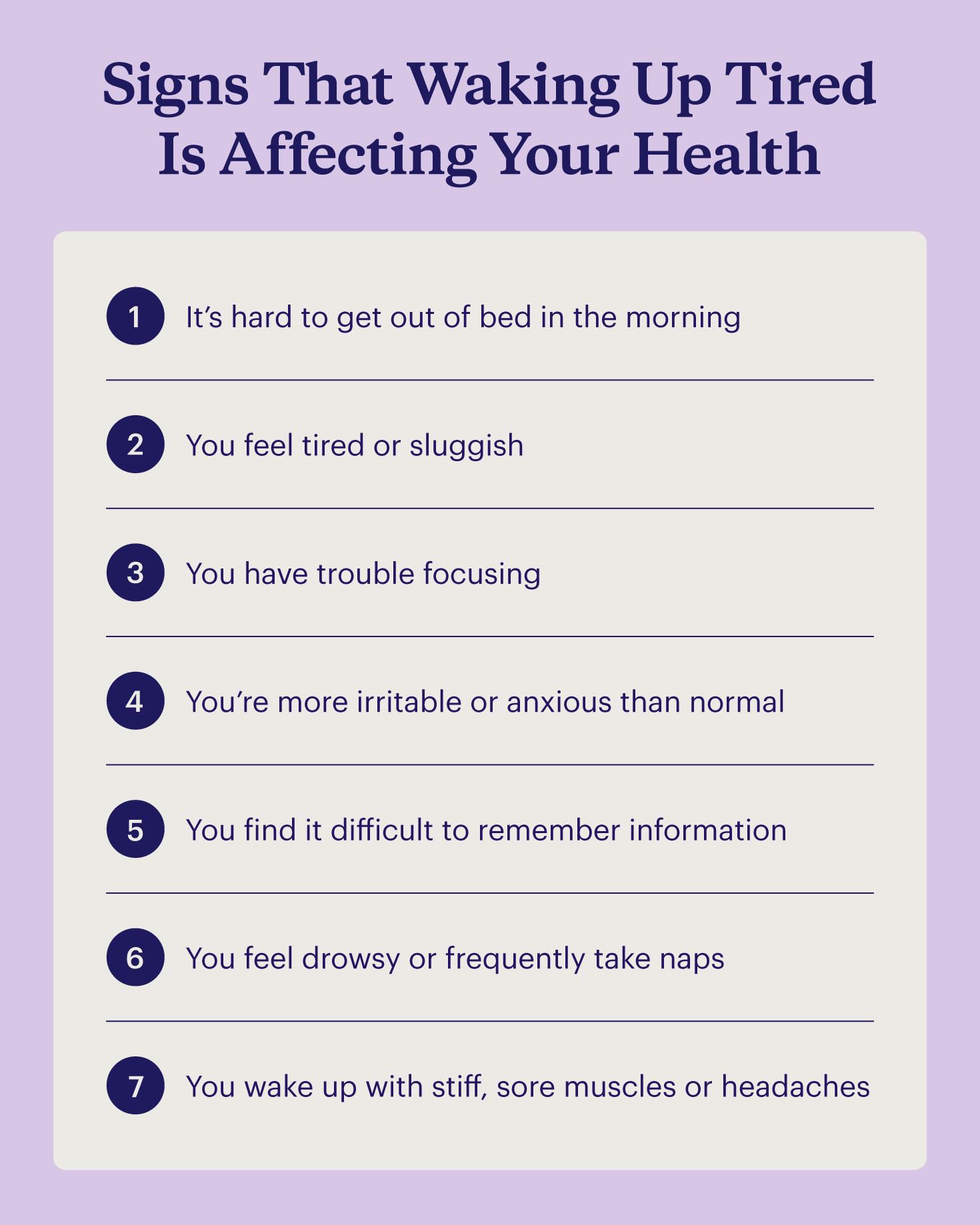
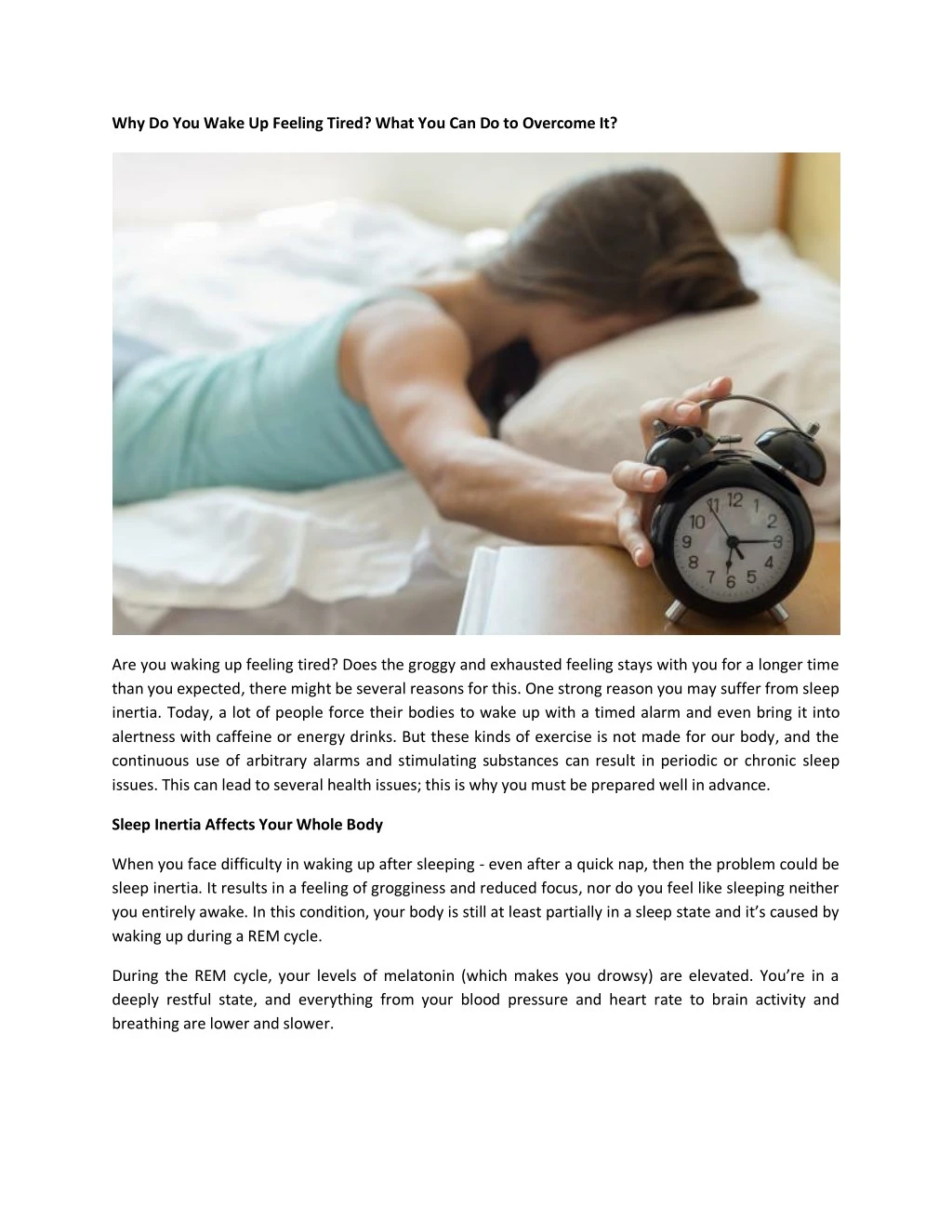
Do you hit the snooze button five times before dragging yourself out of bed, only to feel like a zombie by noon? You aren’t alone. In 2026, sleep health has become a global priority, yet millions continue to struggle with morning fatigue. Waking up feeling tired isn’t just a nuisance—it’s a signal from your body that your sleep architecture is being disrupted.
Understanding the root cause of your exhaustion is the first step toward reclaiming your energy. Whether it’s poor sleep hygiene, underlying health conditions, or modern lifestyle choices, the solution often lies in identifying the “sleep thieves” operating in your bedroom.
The Science of Sleep Quality vs. Sleep Quantity
Many people mistakenly believe that spending eight hours in bed equals eight hours of restorative sleep. However, sleep quality is far more important than mere duration. If you aren’t cycling through the essential stages of REM (Rapid Eye Movement) and deep sleep, your brain and body cannot perform the necessary repairs to keep you energized for the day ahead.

8 Common Causes of Morning Exhaustion
If you find yourself asking, “Why do I wake up feeling tired every day?” it is likely due to one of these eight common factors identified by health experts:
1. Sleep Apnea and Breathing Issues
Obstructive Sleep Apnea (OSA) occurs when your airway becomes blocked during sleep, causing you to stop breathing momentarily. This prevents your body from reaching deep, restful sleep stages, leaving you exhausted regardless of how long you stayed in bed.
2. The Blue Light Trap
In 2026, our reliance on screens is at an all-time high. Exposure to blue light from smartphones and tablets late at night suppresses melatonin production, the hormone responsible for signaling to your brain that it is time to sleep.
3. Caffeine and Alcohol Consumption
While a glass of wine might help you fall asleep, it significantly impairs your sleep quality by preventing you from entering deep sleep cycles. Similarly, caffeine consumed in the afternoon can linger in your system, keeping your nervous system in a state of high alert.
4. Mental Health and Anxiety
Chronic stress, anxiety, and depression are major contributors to poor sleep. When your mind is racing, your body remains in a “fight or flight” mode, making it nearly impossible to achieve true physical and mental relaxation.
5. Vitamin Deficiencies
A lack of essential nutrients, particularly Vitamin D, B12, and Iron, can lead to persistent fatigue. If your body lacks the fuel to produce energy at a cellular level, you will struggle to feel alert in the morning.
6. Poor Sleep Hygiene
Your environment matters. An irregular sleep schedule, an uncomfortable mattress, or a bedroom that is too bright or warm can prevent you from achieving high-quality rest.
7. Hormonal Imbalances
Fluctuations in hormones, such as those related to thyroid function or cortisol levels, can wreak havoc on your circadian rhythm, leading to that heavy, “unrefreshed” feeling upon waking.
8. Inadequate Nutrition
What you eat impacts how you sleep. Diets high in processed sugars can cause blood glucose spikes and crashes that disrupt your sleep cycles throughout the night.
When to See a Professional
If you have optimized your sleep environment and maintained a consistent schedule but still feel exhausted, it is time to consult a doctor. You may need a sleep study to rule out clinical disorders like narcolepsy or chronic insomnia.
Actionable Tips to Wake Up Feeling Refreshed
You don’t have to settle for constant exhaustion. Start by implementing these simple, evidence-based changes:
- Establish a Digital Sunset: Turn off all screens 60 minutes before bed to allow your natural melatonin levels to rise.
- Optimize Your Sleep Environment: Keep your bedroom cool (around 65°F or 18°C) and completely dark to signal to your brain that it is time to rest.
- Consistency is Key: Go to bed and wake up at the same time every day, even on weekends, to regulate your circadian rhythm.
- Limit Stimulants: Cut off caffeine intake by 2:00 PM and avoid alcohol for at least three hours before bedtime.
- Get Morning Sunlight: Exposure to natural light within 30 minutes of waking helps reset your internal clock for the following night.
Conclusion: Take Control of Your Sleep
Waking up tired is not a normal state of being—it is a signal that your body needs a change. By addressing lifestyle habits, improving your sleep environment, and seeking medical advice when necessary, you can transition from feeling groggy to feeling vibrant and energized. Start by making one small change tonight, and observe how your mornings transform over the coming week.