
Do you find yourself finally hitting the pillow after a long day, only to be greeted by a persistent, throbbing sensation in your skull? If you are frequently asking, “why do I feel pressure in my head at night?” you are certainly not alone. As we move through 2026, sleep hygiene and stress-related physical symptoms have become a primary focus for health-conscious individuals worldwide.
Head pressure at night can feel like a tight band around your forehead, a heavy weight behind your eyes, or a dull ache that refuses to subside. While often linked to benign lifestyle factors, understanding the root cause is the first step toward reclaiming your restorative rest.
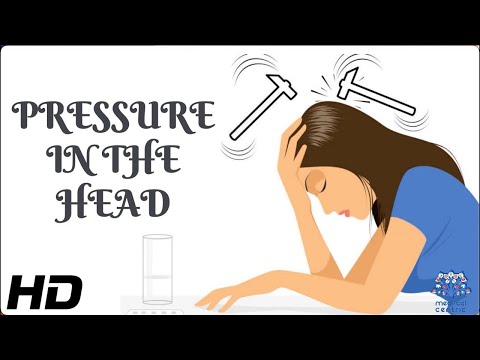
Common Culprits: Why Head Pressure Strikes After Dark
The transition from the bustle of the day to the quiet of the night often allows us to notice physical symptoms we previously ignored. When your environment goes quiet, your brain shifts focus, making nocturnal head pressure feel significantly more intense.
1. Tension Headaches and Stress
The most frequent cause of nighttime head pressure is a tension headache. Throughout the day, stress, anxiety, and poor posture—often from staring at screens—cause the muscles in your neck, shoulders, and scalp to tighten. When you finally lie down, these contracted muscles can trigger a sensation of pressure that radiates across your forehead or the back of your skull.
2. Sinusitis and Congestion
If you notice the pressure is concentrated around your cheeks, eyes, or forehead, sinusitis may be the culprit. When you lie flat, gravity causes fluid to pool in your sinus cavities. This increases pressure against your sinus walls, leading to that uncomfortable “stuffed” or “heavy” feeling right as you try to drift off to sleep.

3. Sleep Bruxism (Teeth Grinding)
Many people unconsciously grind their teeth or clench their jaw while they sleep. This condition, known as bruxism, puts immense strain on the temporomandibular joint (TMJ). If you wake up with head pressure or feel it setting in as you relax your jaw at night, your dental health might be the hidden trigger.
When Lifestyle Habits Impact Your Head Health
In 2026, our digital-first lifestyle is a major contributor to head-related discomfort. Poor ergonomics, excessive blue light exposure, and erratic sleep schedules all play a role in how your body processes physical tension.
- Digital Eye Strain: Spending hours on tablets or smartphones before bed can lead to ocular fatigue, manifesting as pressure behind the eyes.
- Dehydration: Failing to drink enough water throughout the day often results in mild dehydration, which is a classic trigger for evening headaches.
- Posture Issues: “Tech neck,” caused by looking down at devices, places significant strain on the cervical spine, leading to referred pressure in the head.

How to Find Relief for Nighttime Head Pressure
If your symptoms are mild and infrequent, several home remedies can help alleviate the pressure and improve your sleep quality.
Practice Progressive Muscle Relaxation
Before bed, try to consciously release the tension in your body. Start from your toes and work your way up to your forehead, tensing and then relaxing each muscle group. This is highly effective for tension-related head pressure.
Optimize Your Sleep Environment
Ensure your pillow provides adequate support for your neck. If you are a side sleeper, a pillow that keeps your spine aligned can prevent the muscle strain that causes nocturnal headaches. Additionally, keeping your room cool and dark can reduce environmental stressors.
Hydration and Natural Remedies
- Drink Water: Ensure you are hydrated throughout the day, but taper off your intake an hour before bed to prevent sleep interruptions.
- Warm Compresses: If sinus pressure is the issue, a warm, damp cloth over your eyes and nose can help drain the sinuses and relieve the heaviness.
- Magnesium Supplements: Some studies suggest that magnesium can help relax muscles and prevent tension headaches, though you should consult a doctor before starting any new supplement regimen.
When Should You See a Doctor?
While most head pressure is manageable, it is vital to know when to seek professional medical advice. If you experience any of the following “red flag” symptoms, contact a healthcare provider immediately:
- Sudden, “thunderclap” intensity headaches.
- Head pressure accompanied by a high fever, stiff neck, or confusion.
- Vision changes, slurred speech, or numbness in your limbs.
- Pressure that is worsening over time and does not respond to over-the-counter pain relief.
These could be signs of more serious conditions, such as high blood pressure, neurological issues, or severe migraines that require specialized treatment.
Conclusion: Prioritize Your Well-being
Understanding why you feel pressure in your head at night is the first step toward finding relief. Whether it is the result of a stressful workday, sinus congestion, or the way you carry your posture, small adjustments to your evening routine can make a world of difference.
By focusing on stress management, ergonomics, and hydration, you can quiet the noise in your head and enjoy the restorative sleep you deserve. If the symptoms persist, do not hesitate to reach out to a professional—your health and comfort are the top priority in 2026.