
Have you ever finished a delicious meal only to find your heart racing or pounding in your chest? If you find yourself asking, “Why do I feel heart beating fast after eating?” you are certainly not alone. While a slight increase in heart rate is a normal physiological response to digestion, persistent or uncomfortable palpitations can be unnerving.
In this 2026 health guide, we explore the science behind post-prandial tachycardia—the medical term for a rapid heartbeat after meals—and help you distinguish between a harmless post-meal reaction and symptoms that require medical attention.

Understanding the Physiology of Digestion
When you eat, your body initiates a complex process to break down food. To support this, your autonomic nervous system diverts more blood flow to your stomach and intestines to help with digestion and nutrient absorption.
To compensate for this redistribution of blood, your heart may work slightly harder, leading to a naturally elevated heart rate. For most people, this change is subtle and goes unnoticed. However, if you are sensitive to your internal rhythms, you might feel a fluttering or a rapid beat.
Common Triggers for Heart Palpitations After Eating
Why does your heart race more on certain days than others? Often, it comes down to what is on your plate. Here are the most common triggers identified by health experts in 2026:
- High-Carbohydrate and Sugary Meals: Foods high in refined sugars or simple carbs cause a rapid spike in blood glucose. This triggers an insulin release, which can sometimes lead to a subsequent drop in blood sugar (reactive hypoglycemia), causing the body to release adrenaline and speed up the heart.
- Large Portion Sizes: Consuming a massive meal forces the body to exert significantly more energy to process the intake, putting extra demand on your cardiovascular system.
- High Sodium Intake: Excessive salt can lead to fluid retention and increased blood pressure, both of which can cause the heart to beat faster than usual.
- Food Sensitivities and Allergies: Hidden food intolerances—such as gluten, dairy, or artificial additives—can trigger an inflammatory response that manifests as heart palpitations.
- Stimulants: Consuming coffee, energy drinks, or alcohol alongside your meal is a classic recipe for a racing heart.
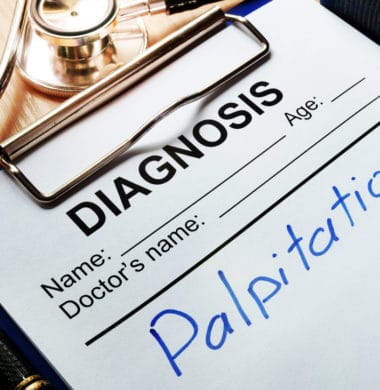
Is Post-Prandial Tachycardia Dangerous?
For the vast majority of people, heart palpitations after eating are not harmful and are simply a reflection of how the body manages energy. However, it is essential to monitor the frequency and intensity of these episodes.
If you find that your heart racing is accompanied by other symptoms, it is time to consult a healthcare professional. Seek medical advice if you experience:
- Dizziness or lightheadedness
- Shortness of breath
- Chest pain or pressure
- Fainting spells
- A heart rate that does not return to normal within 30–60 minutes
Lifestyle Changes to Manage Rapid Heartbeat
If your doctor has ruled out underlying cardiac conditions, you can often manage or eliminate post-meal palpitations by adjusting your habits.
1. Opt for Smaller, Frequent Meals
Instead of three large meals, try eating five smaller portions throughout the day. This reduces the “digestive load” on your body, preventing that sudden surge of blood flow to the gut.
2. Balance Your Macros
Focus on fiber-rich vegetables, lean proteins, and healthy fats. These slow down the absorption of sugar, preventing the blood glucose spikes that lead to an adrenaline-fueled heart rate.
3. Stay Hydrated
Dehydration makes the heart work harder to maintain blood pressure. Drinking adequate water throughout the day—but avoiding large amounts of liquid during the meal—can help keep your cardiovascular system stable.
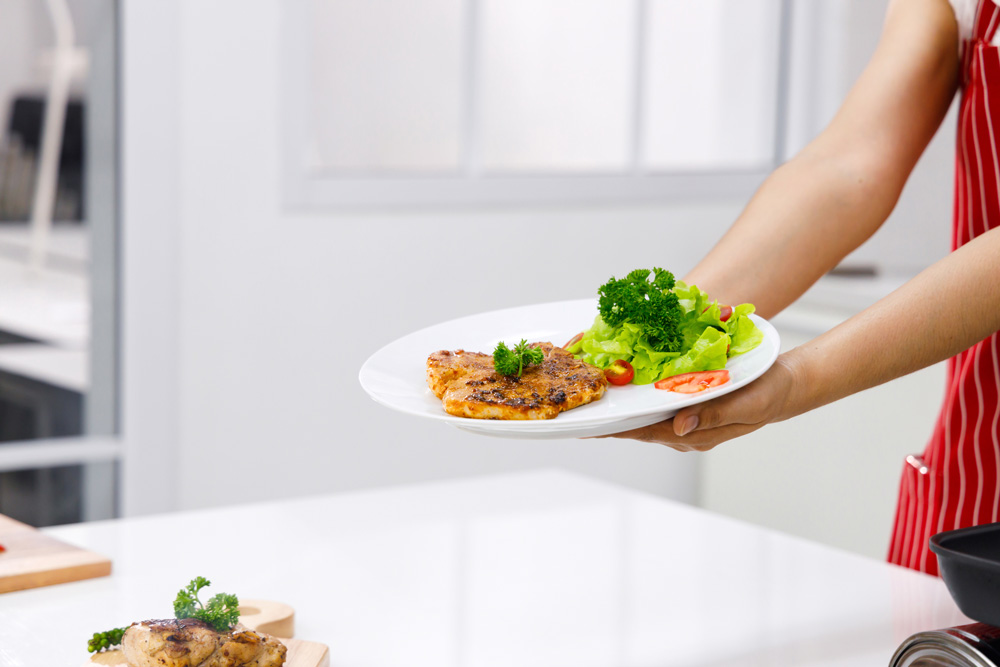
4. Keep a Food Diary
Sometimes, the culprit is specific. Keep a log for one week detailing what you ate, how much you ate, and how you felt afterward. You may discover that a specific ingredient, like MSG, caffeine, or high-fructose corn syrup, is the hidden trigger for your symptoms.
When to See a Doctor
While most cases of heart palpitations after eating are benign, you should never ignore your intuition. In 2026, diagnostic tools like wearable ECG monitors and Holter monitors make it easier than ever for doctors to track your heart rhythm during and after meals.
If you have a history of heart disease, diabetes, or thyroid issues, you should be particularly proactive. These conditions can make you more susceptible to metabolic changes that affect heart rate. A quick visit to a cardiologist can provide peace of mind and ensure your heart health remains in top shape.
Conclusion
Feeling your heart beat faster after a meal is usually just your body doing its job. By understanding the link between high-carb foods, large portions, and your autonomic nervous system, you can take control of your health. Focus on nutrient-dense meals, moderate your intake, and listen to your body. If the palpitations persist or feel “wrong,” don’t hesitate to reach out to a medical provider—your heart health is worth the peace of mind.