
Have you ever been sitting quietly, perhaps working at your desk or relaxing on the couch, when suddenly your heart feels like it’s doing a flip-flop or a rhythmic “thump” out of place? If you have found yourself asking, “Why do I feel fluttering in my chest randomly?” you are certainly not alone. Many people experience this sensation—medically known as heart palpitations—at some point in their lives.
In 2026, with the rise of wearable health technology like smartwatches and advanced heart-rate trackers, more people than ever are noticing these subtle irregularities. While the sensation can be startling, it is often harmless. However, understanding the difference between a benign “blip” and a symptom requiring medical attention is vital for your peace of mind and long-term health.

What Exactly Are Heart Palpitations?
A fluttering sensation in the chest is technically categorized as a heart palpitation. It can feel like your heart is racing, pounding, skipping a beat, or fluttering like a butterfly trapped under your ribs. These sensations are essentially your heart’s way of signaling that its electrical conduction system is experiencing a brief, temporary disruption.
For most, these episodes last only a few seconds. They are rarely a sign of an immediate cardiac emergency, but they are a reminder that your heart is a complex organ influenced by everything from your morning coffee to your emotional state.
Common Triggers: Why It Happens
If you feel like your heart is “skipping” or “fluttering,” it is helpful to look at your lifestyle and environmental factors. In 2026, the fast-paced nature of modern life means many of us are living with chronic triggers.
1. Stress and Anxiety
The most frequent culprit behind random chest fluttering is emotional stress. When you are anxious, your body releases hormones like adrenaline, which can cause your heart to beat faster and more forcefully. This is the classic “fight or flight” response, and it can occur even when you aren’t in immediate danger.
2. Stimulants and Lifestyle Habits
What you consume plays a massive role in your heart rhythm. Common triggers include:
- Excessive Caffeine: That third cup of coffee or energy drink can easily trigger a palpitation.
- Nicotine: Vaping and smoking are potent stimulants that impact heart rate.
- Alcohol: Even moderate consumption can disrupt the heart’s electrical balance.
3. Dehydration and Electrolyte Imbalance
Your heart relies on minerals like potassium, magnesium, and calcium to conduct electrical impulses. If you are dehydrated or have an electrolyte deficiency, your heart may struggle to maintain a steady rhythm, leading to that uncomfortable fluttering sensation.
Could It Be Something More Serious?
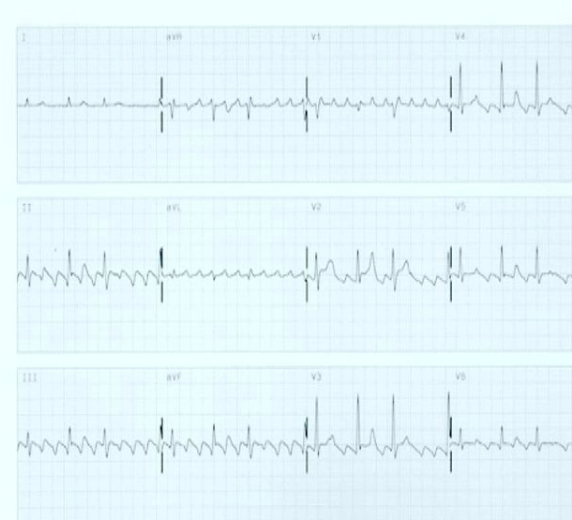
While the majority of palpitations are benign, it is essential to be aware of arrhythmias—medical conditions where the heart beats too fast, too slow, or irregularly. Conditions such as Atrial Fibrillation (AFib) are becoming more commonly detected thanks to the ECG features found on modern wearables.
If the fluttering is accompanied by specific “red flag” symptoms, you should not wait to see a doctor. These symptoms include:
- Chest pain or pressure
- Shortness of breath
- Fainting or severe lightheadedness
- Sudden weakness

How to Manage Occasional Fluttering
If you have already consulted with a healthcare professional and determined that your palpitations are not caused by an underlying heart condition, you can manage them by focusing on lifestyle adjustments:
- Reduce Stimulants: Gradually cut back on caffeine and nicotine to see if the frequency of the flutters decreases.
- Prioritize Sleep: Fatigue is a major trigger for cardiovascular irregularity. Aim for 7–9 hours of quality sleep.
- Hydrate Properly: Ensure you are getting enough water and essential electrolytes throughout the day, especially if you exercise.
- Practice Stress Management: Techniques like mindfulness meditation, deep breathing exercises, and yoga can significantly lower your resting heart rate and reduce stress-induced palpitations.
When to See a Doctor in 2026
In the current era of digital health, you might be tempted to rely solely on your smartwatch’s interpretation of your heart rhythm. While these devices are excellent tools, they are not a substitute for a professional diagnosis.
If you notice a consistent pattern of fluttering, or if the sensation is becoming more frequent or intense, schedule an appointment with your primary care physician or a cardiologist. They may perform an ECG (electrocardiogram), blood tests, or suggest a Holter monitor to get a 24-hour view of your heart’s activity.
Conclusion
Feeling a random flutter in your chest can be an unsettling experience, but in most cases, it is simply your heart reacting to the stressors of your daily life. Whether it is a result of a stressful week, too much caffeine, or simple dehydration, identifying your triggers is the first step toward feeling better.
Always listen to your body. While you don’t need to panic over an occasional flutter, staying proactive about your heart health is the best way to ensure you stay energized and healthy throughout 2026 and beyond. If you are ever in doubt, reach out to a medical professional—it’s always better to be safe when it comes to your heart.