
We have all been there: you wake up feeling refreshed, only to realize you cannot turn your head to the left or right without a sharp, shooting pain. Neck pain after sleeping in the wrong position is one of the most common complaints in 2026, often caused by poor spinal alignment or choosing the wrong sleep surface.
While the sensation of a “crick” in your neck can be alarming, it is usually a musculoskeletal issue that resolves with time. This guide explores exactly why this happens and how you can wake up pain-free.

Why Does Sleeping Wrong Cause Neck Pain?
When you sleep, your muscles and ligaments need to relax and recover. If your head is tilted at an awkward angle for several hours, those tissues are stretched beyond their natural range. Over time, this leads to muscle strain, inflammation, and stiffness.
The Culprits Behind Your Morning Pain
Several factors contribute to waking up with a sore neck:
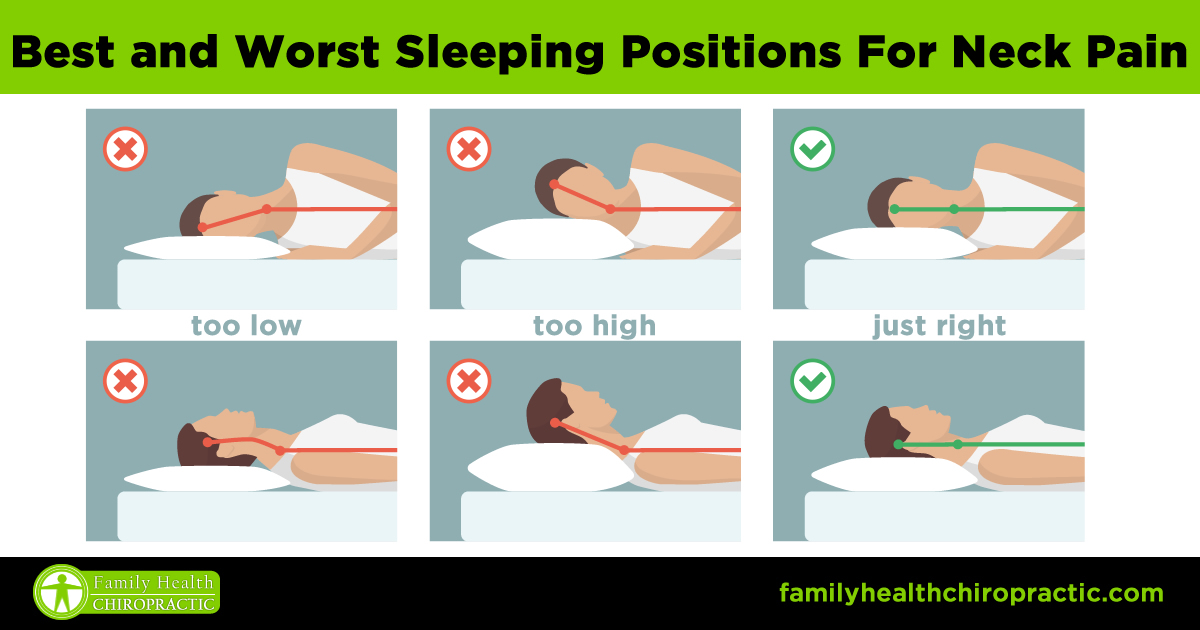
- Poor Pillow Choice: Using a pillow that is either too soft (causing your head to sink) or too firm (pushing your head forward) disrupts the natural curve of your cervical spine.
- Stomach Sleeping: This is often cited by physical therapists as the primary cause of neck pain. It forces your neck to remain rotated to one side for the entire night, creating significant asymmetrical strain.
- Lack of Support: If your mattress is sagging, your entire body—including your neck—lacks the support needed to maintain neutral alignment.
Immediate Relief: 5 Steps to Soothe a Stiff Neck
If you are currently dealing with a stiff neck, do not panic. Most minor cases are self-limiting and will improve within a few days. Here is how you can manage the discomfort at home:
- Apply Heat or Ice: For the first 24–48 hours, use an ice pack wrapped in a cloth to reduce inflammation. After that, switch to a heating pad or warm shower to increase blood flow and relax tight muscles.
- Gentle Stretching: Avoid aggressive movements. Perform slow, controlled neck rotations or gentle tilts to your shoulders to maintain mobility.
- Over-the-Counter Support: Non-steroidal anti-inflammatory drugs (NSAIDs) can help manage pain, but always consult with a pharmacist if you have pre-existing health conditions.
- Avoid Heavy Lifting: Give your neck muscles a break. Avoid strenuous exercise or heavy lifting for 48 hours to prevent further irritation.
- Stay Mobile: While you need rest, avoid staying in one position for too long. Gentle movement is often better for recovery than total immobilization.

How to Prevent Future Neck Pain
Prevention is the best medicine. By optimizing your sleep environment and position, you can significantly reduce the risk of recurring neck pain in 2026.
1. Master Your Sleep Position
The best position for your neck is generally back sleeping. This keeps your head, neck, and spine in a neutral, aligned position. If you prefer to sleep on your side, ensure your pillow is thick enough to fill the space between your ear and the mattress, keeping your neck straight.
2. Invest in the Right Pillow
A medium-firm to firm pillow is often recommended by experts. If you are a back sleeper, consider a pillow with an indentation for your head or a cervical roll that supports the natural curve of your neck.
3. Mattress Maintenance
Your mattress should support your body’s weight evenly. If your mattress is over 8–10 years old, it may be time for an upgrade. A mattress that is too soft can cause your midsection to sink, throwing your spine out of alignment and straining your neck.
4. Create a “Neck-Safe” Environment
Avoid using multiple pillows, which can push your chin toward your chest. Also, be mindful of your posture during the day. Often, “tech neck” from looking down at smartphones all day creates the underlying tension that makes you more susceptible to injury while sleeping.
When to See a Doctor
While most neck pain from sleeping wrong is harmless, you should seek professional medical advice if:
- The pain is accompanied by numbness or tingling in your arms or hands.
- You experience a severe headache or fever along with the neck pain.
- The pain does not show signs of improvement after one week of home treatment.
- The pain was caused by a recent injury or accident, rather than just “sleeping wrong.”
Conclusion
Waking up with a stiff neck is a frustrating way to start your day, but it is rarely a cause for long-term concern. By understanding the importance of proper spinal alignment and making small, intentional changes to your sleep habits, you can protect your neck and ensure a restful night’s sleep. Remember to prioritize a supportive pillow and try to transition away from stomach sleeping to keep your neck healthy and pain-free throughout 2026.