
If you find yourself dreading the sight of a staircase, you are not alone. Knee pain when going up stairs is one of the most common orthopedic complaints in 2026, affecting everyone from high-performance athletes to those simply trying to navigate their daily commute.
When you climb, your knees bear a load that can be three to five times your body weight. If the mechanics of your joints, muscles, or tendons are slightly off, that pressure translates into sharp, nagging, or dull aching pain. Understanding why this happens is the first step toward getting back to pain-free movement.
The Mechanics: Why Stairs Are the Ultimate Knee Test
Climbing stairs requires a complex interplay between your quadriceps, hamstrings, and the patellofemoral joint—the area where your kneecap meets your thigh bone. When you step up, your knee must stabilize while simultaneously generating enough force to lift your entire body weight.

If your alignment is slightly compromised, or if your surrounding muscles are weak, this force is not distributed evenly. Over time, this leads to inflammation, cartilage wear, or tendon irritation.
Common Causes of Knee Pain When Climbing Stairs
In 2026, medical professionals categorize stair-related knee pain into several distinct buckets. Identifying your specific symptoms can help you determine the root cause.
1. Patellofemoral Pain Syndrome (Runner’s Knee)
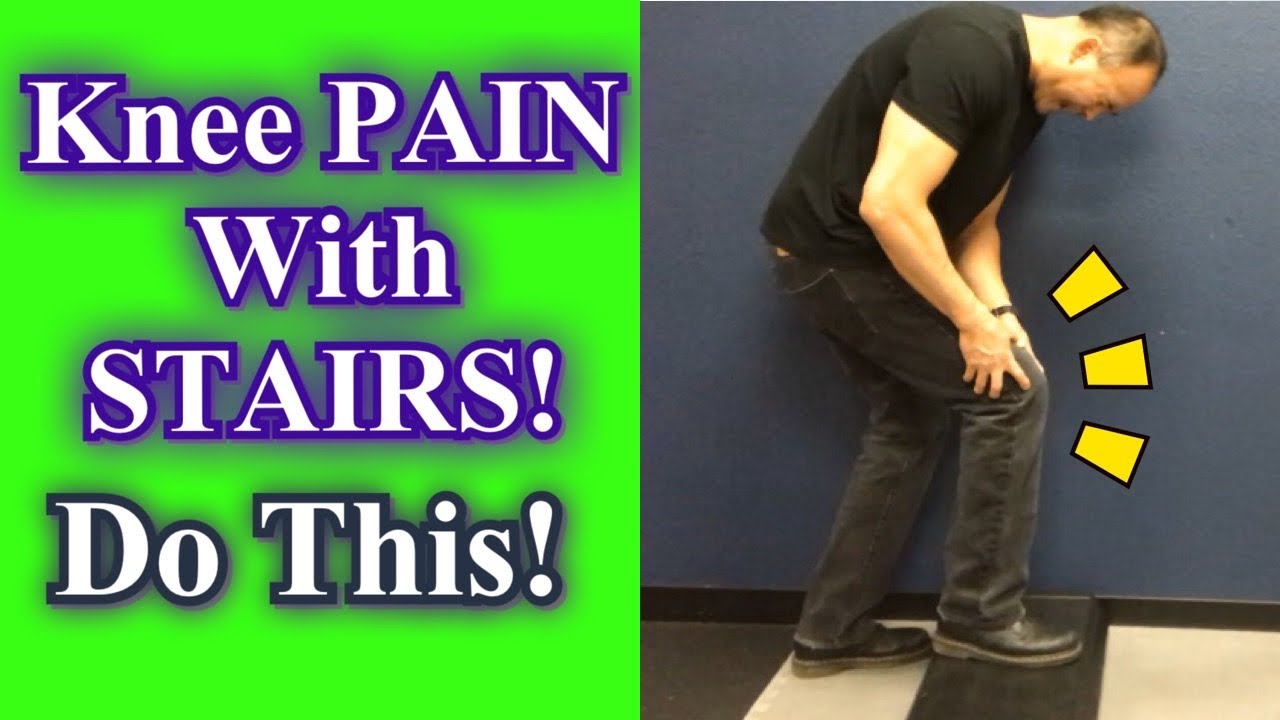
Often called “Runner’s Knee,” this is the most frequent culprit for pain behind or around the kneecap. It occurs when the kneecap doesn’t track properly in the groove of the thigh bone, causing friction. You will likely feel a dull, aching pain that intensifies during the upward phase of a climb.
2. Osteoarthritis
As we age, the protective cartilage in our joints can begin to wear down. Osteoarthritis is a leading cause of chronic knee pain. If you experience stiffness in the morning along with pain when climbing stairs, it is a classic indicator that your joint surfaces may be experiencing degenerative changes.
3. Patellar Tendonitis
If the pain is located just below the kneecap, you might be dealing with patellar tendonitis. This is an overuse injury often seen in people who have recently increased their physical activity levels. The tendon becomes inflamed, making the explosive movement of stair climbing feel particularly sharp.
When Should You See a Doctor?
While minor aches can often be managed at home, certain “red flag” symptoms require professional medical evaluation in 2026. Do not ignore the following:
- Significant swelling or redness around the knee joint.
- A “locking” or “giving way” sensation, which may indicate a meniscus tear.
- Inability to bear weight on the affected leg.
- Pain that persists even when you are resting or sleeping.
Early intervention by a physical therapist or orthopedic specialist can prevent a minor issue from becoming a chronic, long-term disability.
Effective At-Home Strategies for Relief
If your pain is mild and related to muscle fatigue or minor inflammation, you can manage it using the R.I.C.E. method (Rest, Ice, Compression, Elevation). However, for long-term solutions, focus on these three pillars:
Strengthen the Support System
The secret to protecting your knees is strengthening the muscles around them. Focus on:
- Quadriceps strengthening: Strong quads act as shock absorbers for the kneecap.
- Hip abductor exercises: Strong hips prevent your knees from collapsing inward (valgus stress) during a climb.
- Core stability: A stable core ensures better overall body mechanics, reducing the strain on your lower extremities.
Optimize Your Footwear
In 2026, footwear technology has evolved significantly. Ensure you are wearing shoes with adequate arch support and cushioning. Worn-out shoes can alter your gait, putting unnecessary torque on your knees every time you step up.
Modify Your Activity
If stair climbing is painful, try to limit repetitive stair use for a few days to allow the inflammation to subside. When you do climb, try to keep your weight centered and engage your glutes rather than relying solely on your knee joints to pull you upward.
Conclusion: Take Control of Your Knee Health
Knee pain when going up stairs is not a life sentence. By identifying the underlying cause—whether it is simple muscle weakness or the early stages of arthritis—you can implement targeted exercises and lifestyle changes to restore your mobility.
Remember, your knees are designed to carry you for a lifetime. Listen to what they are telling you, prioritize strength training, and do not hesitate to seek professional guidance if the pain persists. With the right approach in 2026, you can conquer those stairs with confidence once again.