
We have all been there: you feel exhausted, decide to take a quick “power nap” to recharge, and wake up feeling worse than before. Instead of feeling refreshed, you are met with a dull ache or a sharp, pounding sensation behind your eyes. If you are wondering why you experience a headache after an afternoon nap, you are certainly not alone.
In 2026, as our lives become increasingly fast-paced, understanding the science behind our sleep cycles is more important than ever. While a short rest should theoretically boost your energy, several physiological factors can turn that recovery time into a painful experience. Let’s dive into the primary causes and how you can reclaim your afternoon energy.

1. The “Sleep Inertia” Factor
The most common culprit behind a post-nap headache is sleep inertia. This is the groggy, disoriented feeling that occurs when you wake up from a deep stage of sleep.
When you nap for too long—typically over 30 minutes—your body enters “slow-wave” or deep sleep. If you are jolted awake from this stage, your brain struggles to transition back to alertness, often triggering a tension-type headache. This physiological “shock” is the body’s way of protesting an interrupted sleep cycle.
2. Dehydration and Blood Sugar Drops
Often, we nap because we are tired, but we forget that our bodies have been fasting and losing water for hours. If you haven’t consumed enough fluids or haven’t eaten a balanced meal before lying down, your brain is essentially running on empty.
A drop in blood glucose levels or mild dehydration can easily manifest as a headache upon waking. In 2026, with the rise of wearable health tech, many users are noticing that their heart rate variability and hydration status directly correlate with how they feel post-sleep. Keep a glass of water by your bedside to hydrate immediately upon waking.
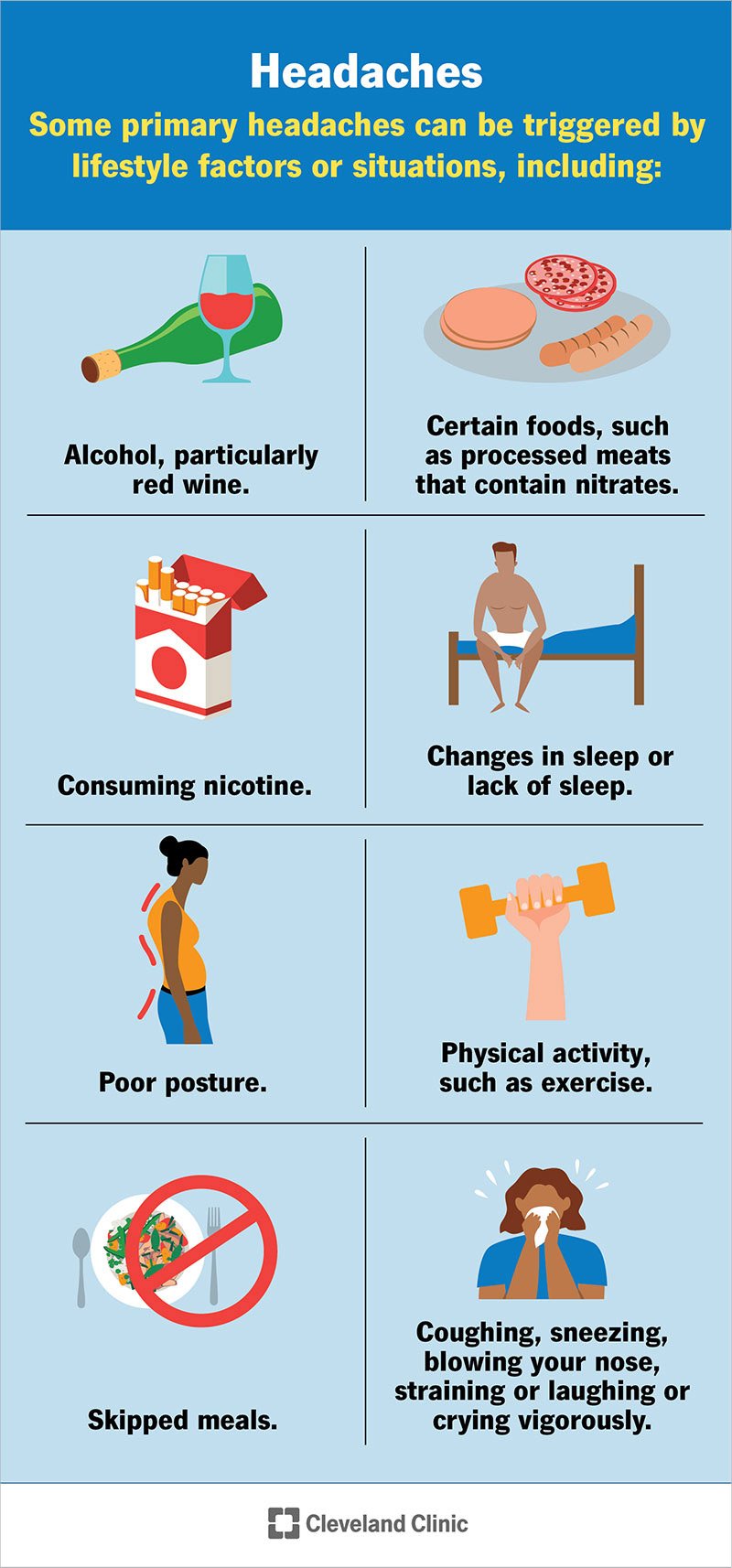
3. Poor Sleeping Posture
Where are you napping? If you are slumped over on a couch, resting your head on a desk, or using an uncomfortable pillow, you are putting immense strain on your cervical spine.
Poor neck alignment restricts blood flow and puts tension on the muscles at the base of your skull. This can trigger a cervicogenic headache, which radiates from the neck upward. To prevent this, ensure your head and neck are properly supported, keeping your spine in a neutral, relaxed position.
4. Caffeine Withdrawal or Overload
Many of us reach for a coffee before or after a nap. However, caffeine has a half-life of about 5-6 hours. If you nap after consuming caffeine, the drug may be wearing off exactly when you wake up, leading to a caffeine-withdrawal headache.
Conversely, if you drink caffeine right before a nap, you might be interfering with your sleep quality. This “caffeine-nap” cycle is a common trigger for mid-afternoon discomfort.
<img alt="Headache After Nap: 8 Possible Causes – Pains Portal" src="https://painsportal.com/wp-content/uploads/2020/07/IMG20200721075449.jpg” style=”max-width:100%; height:auto; border-radius:8px; margin: 1rem 0;” />
How to Prevent Post-Nap Headaches in 2026
You don’t have to give up your afternoon rest. By adjusting your habits, you can wake up feeling genuinely recharged.
- Stick to the “Power Nap” Window: Limit your naps to 10–20 minutes. This allows you to reap the benefits of rest without entering deep sleep stages.
- Create a Dark, Quiet Environment: Using an eye mask or earplugs can improve the quality of your short rest, preventing you from waking up stressed.
- Set a Gentle Alarm: Avoid jarring, loud alarms. Use a gentle, gradual wake-up sound to ease your brain back into consciousness.
- Hydrate Before and After: Drink a few ounces of water before you close your eyes and another glass when you wake up.
- Check Your Environment: Ensure you are lying down in a bed or a supportive chair rather than “napping” in a slumped position.
When Should You See a Doctor?
While most headaches after a nap are benign and related to lifestyle choices, persistent or severe pain should never be ignored. If you find that your headaches are accompanied by vision changes, nausea, dizziness, or numbness, it is time to consult a healthcare professional.
In 2026, advances in telemedicine make it easier than ever to track your symptoms using health apps and share that data with your primary care provider. Persistent pain could be a sign of underlying issues like sleep apnea, chronic migraines, or sinus pressure.
Conclusion
A headache after an afternoon nap is rarely a mystery; it is usually your body sending you a clear signal about your sleep hygiene, hydration, or posture. By keeping your naps short, staying hydrated, and being mindful of your sleeping position, you can easily avoid the “nap-headache” trap.
Remember, the goal of a nap is to enhance your performance and mood. If you find that your afternoon rest is consistently leaving you in pain, try these adjustments for a week. Your brain—and your productivity—will thank you.