
Do you frequently find yourself blinking excessively, rubbing your gritty lids, or reaching for eye drops the moment your alarm clock goes off? You are not alone. Waking up with dry eyes is a common, often frustrating experience that can set a negative tone for your entire day.
As we move through 2026, understanding the underlying dry eyes after waking up causes is the first step toward reclaiming your morning comfort. Whether it is a simple environmental factor or an underlying medical condition, identifying the “why” is essential for effective treatment.
The Science of Morning Dryness: Why It Happens
During the night, your body undergoes significant changes. While you sleep, your eyes produce fewer tears, and your eyelids may not close completely, leading to nocturnal lagophthalmos. When the protective tear film evaporates faster than it can be replenished, you wake up with that uncomfortable, sandpaper-like sensation.
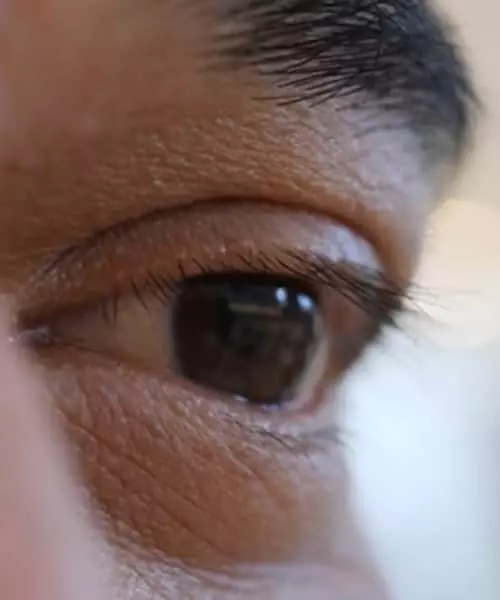
Environmental Triggers
Your bedroom environment plays a massive role in ocular health. In 2026, many households rely on advanced HVAC systems that can inadvertently strip moisture from the air.
- Low Humidity: If you run a heater or air conditioner all night, the dry air can accelerate tear evaporation.
- Ceiling Fans: Positioning a fan directly toward your bed can create a constant airflow that dries out the surface of your eyes.
- Dust and Allergens: Airborne particles can irritate the ocular surface, leading to inflammation and reduced tear quality.
Common Medical Causes of Morning Eye Dryness
Beyond your environment, specific physiological factors often contribute to the persistent feeling of dryness. If your eyes feel inflamed or sticky, it might be time to look deeper into your health profile.

1. Meibomian Gland Dysfunction (MGD)
The meibomian glands, located in your eyelids, produce the oily layer of your tear film. This oil prevents tears from evaporating too quickly. When these glands become clogged—a condition known as MGD—the tears lose their protective barrier, leading to significant dryness by morning.
2. Blepharitis
Blepharitis is the inflammation of the eyelids, often caused by bacteria or skin conditions. It can lead to red, swollen, and itchy eyelids. Because this condition often affects the tear-producing glands, it is a primary culprit for patients struggling with morning ocular discomfort.
3. Medications and Systemic Health
Many common medications, including antihistamines, blood pressure pills, and antidepressants, are known to reduce tear production. Furthermore, systemic conditions like Sjogren’s syndrome, thyroid disorders, and hormonal shifts can drastically alter the chemical composition of your tears.
How to Manage and Prevent Morning Dryness
The good news is that most cases of morning dry eyes are manageable with a few lifestyle adjustments and consistent care routines.

Practical Tips for Immediate Relief
- Use a Humidifier: Running a cool-mist humidifier in your bedroom can maintain optimal moisture levels, preventing your eyes from drying out while you sleep.
- Warm Compresses: Applying a warm, moist compress to your eyelids for 5–10 minutes before bed helps liquefy the oils in your meibomian glands, promoting better tear quality.
- Preservative-Free Artificial Tears: Using high-quality, preservative-free lubricating drops right before bed can provide a protective barrier that lasts through the night.
- Hydration: Increasing your water intake throughout the day supports overall tear production.
When to See an Eye Doctor
If you have tried home remedies for several weeks without improvement, it is time to consult an optometrist or ophthalmologist. You should seek professional care if you experience:
- Persistent blurred vision that does not clear up after blinking.
- Severe eye pain or extreme sensitivity to light.
- Signs of infection, such as thick yellow or green discharge.
Conclusion: Take Control of Your Morning Comfort
Waking up with dry eyes does not have to be your “new normal” in 2026. By identifying whether your symptoms stem from environmental factors like low humidity or physiological issues like Meibomian Gland Dysfunction, you can implement targeted solutions.
Start by optimizing your sleep environment and incorporating a simple eyelid hygiene routine. If the condition persists, don’t hesitate to visit a specialist. Your eyes are your window to the world—give them the care they deserve so you can start every day with clear, refreshed vision.