
Experiencing chest pain when taking a deep breath can be an unsettling experience. Whether it manifests as a sharp, stabbing sensation or a dull, persistent ache, your body is sending a clear signal that something requires attention. While many cases are linked to minor musculoskeletal issues, it is vital to distinguish between benign discomfort and medical emergencies.
In this guide, we explore the common triggers for breathing-related chest pain, what you should look out for in 2026, and when it is time to seek professional medical intervention.
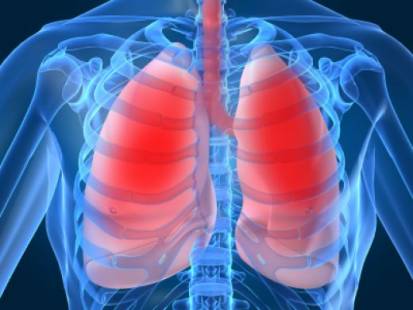
Common Causes of Chest Pain While Breathing
Most instances of pain during inhalation are related to the structures surrounding the lungs rather than the lungs themselves. Understanding the origin of the pain can help you manage your symptoms effectively.
1. Musculoskeletal Strain
One of the most frequent culprits is muscle strain or rib joint irritation. If you have recently lifted heavy objects, engaged in intense physical exercise, or made a sudden, awkward movement, you may have strained the intercostal muscles between your ribs. This type of pain is usually localized and worsens with movement or deep breaths.
2. Pleurisy (Inflamed Lung Lining)
Pleurisy is the inflammation of the pleura, the thin membrane that lines the lungs and the inside of the chest cavity. When this lining becomes inflamed, the two layers rub against each other during inhalation, causing sharp, stabbing chest pain. This is often associated with viral infections or pneumonia.
3. Asthma and Respiratory Conditions
For individuals living with asthma, a deep breath can sometimes trigger a tightening sensation or chest pain. This occurs because the airways are inflamed or constricted, making the process of taking in oxygen feel labored and uncomfortable.

When Should You Be Concerned?
While many causes of chest pain are manageable, some conditions require urgent care. It is important to pay attention to “red flag” symptoms that indicate a more serious underlying health issue.
Recognizing Emergency Symptoms
If your chest pain when taking a deep breath is accompanied by any of the following, seek emergency medical help immediately:
- Sudden shortness of breath or inability to catch your breath.
- Pain radiating to the jaw, neck, shoulder, or left arm.
- Dizziness, lightheadedness, or fainting.
- A rapid or irregular heartbeat.
- Fever, chills, or coughing up blood.
These symptoms could potentially signal a pulmonary embolism (a blood clot in the lungs) or a heart attack, both of which require immediate intervention by medical professionals.
The Role of Anxiety and Stress
In 2026, we are increasingly recognizing the impact of mental health on physical well-being. Anxiety attacks can often mimic cardiac symptoms, including a feeling of tightness or sharp pain in the chest when breathing. If you find that your chest pain coincides with periods of extreme stress or panic, it may be related to hyperventilation or muscle tension caused by anxiety.

Diagnostic Steps for 2026
When you visit a doctor for chest pain, they will likely perform a series of assessments to rule out life-threatening conditions. In 2026, diagnostic tools have become more precise, often including:
- Physical Examination: Listening to lung and heart sounds.
- Imaging: Chest X-rays or CT scans to look for pneumonia, fluid buildup, or rib fractures.
- Cardiac Testing: An ECG (Electrocardiogram) to monitor your heart’s electrical activity.
- Blood Tests: Checking for markers of inflammation or clotting factors.
How to Manage Minor Discomfort
If your doctor has ruled out serious conditions, they may suggest conservative home treatments. These often include:
- Rest: Giving the chest muscles time to heal if the pain is musculoskeletal.
- Over-the-counter anti-inflammatories: Medications like ibuprofen (if medically appropriate for you) can help reduce inflammation and pain.
- Breathing Exercises: Gentle, controlled breathing can prevent the shallow breathing that often leads to further stiffness.
- Heat or Ice Therapy: Applying a cold pack or warm compress to the affected area can provide significant relief for muscle-related pain.
Conclusion
While chest pain when taking a deep breath can be frightening, it is often a manageable condition caused by inflammation or minor injury. However, because the chest houses vital organs like the heart and lungs, it is never a symptom to ignore. If the pain is new, worsening, or associated with other concerning symptoms, prioritize your health by consulting a medical professional. Being proactive is the best way to ensure your respiratory and cardiovascular health in 2026 and beyond.