
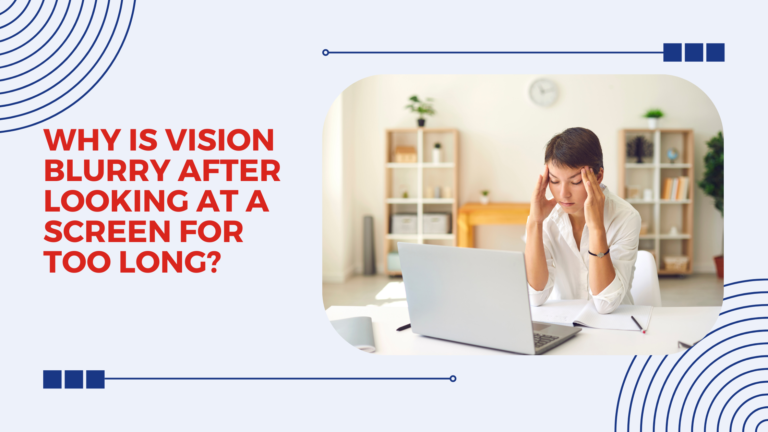
In 2026, our lives are more tethered to our smartphones than ever before. From augmented reality navigation to hyper-connected work environments, we are constantly staring at screens. If you have recently experienced blurry vision after looking at your phone too long, you are certainly not alone. This phenomenon, often categorized under Digital Eye Strain (DES) or Computer Vision Syndrome, has become the most common ocular complaint of the digital era.
But why does your vision go fuzzy after a marathon scrolling session? And more importantly, how can you reclaim your visual clarity without ditching your favorite devices? This guide dives into the science of screen-induced blur and provides actionable strategies to protect your eyesight.
<img alt="Why is Vision Blurry After Looking At a Screen For Too Long?" src="https://static.wixstatic.com/media/129158228ee486388f4898b00dfd3e00b15c95~mv2.jpg/v1/fit/w800%2Ch600%2Calc%2Cq_80/file.jpg” style=”max-width:100%; height:auto; border-radius:8px; margin: 1rem 0;” />
Understanding Digital Eye Strain: The Science Behind the Blur
When you focus on a smartphone screen, your eyes are working harder than you might think. Unlike reading a printed book, digital screens emit blue light, feature lower contrast, and often have glare. When you stare at a device for hours, your internal eye muscles—specifically the ciliary muscles responsible for focusing—become fatigued.
Why Your Eyes Struggle to Focus
Think of your eyes like a camera lens. To focus on something close up, your eye muscles must contract. When you hold a phone at a fixed distance for an extended period, these muscles enter a state of sustained contraction. Eventually, they “lock up” or struggle to relax when you finally look away, resulting in that frustrating, temporary blurry vision.
The Silent Culprit: Phone Vision Syndrome
As we move deeper into 2026, experts are increasingly using the term Phone Vision Syndrome to describe the specific impact of handheld devices on our ocular health. Unlike desktop monitors, phones are typically held closer to the face, forcing the eyes to converge more aggressively.
Key Symptoms to Watch For:
- Difficulty refocusing from near to far objects.
- Persistent dry, gritty, or burning sensations in the eyes.
- Frequent tension headaches centered behind the eyes.
- Increased sensitivity to ambient light.
If you notice these symptoms, your eyes are sending you a clear signal: they are overworked and dehydrated.
Proven Fixes to Combat Screen-Induced Blurry Vision
You don’t have to abandon your digital life to save your sight. By implementing small, consistent changes, you can mitigate the effects of phone eye strain.
1. The 20-20-20 Rule
This is the gold standard for eye health. Every 20 minutes, take a break and look at something at least 20 feet away for at least 20 seconds. This simple habit forces your ciliary muscles to relax, preventing the “locked” focus that causes blurriness.
2. Optimize Your Screen Settings
In 2026, most smartphones come equipped with advanced display settings. Ensure that your Blue Light Filter (or “Night Shift”) is enabled, especially during evening hours. Additionally, increase your font size and adjust the screen brightness to match your room’s ambient light to reduce contrast fatigue.
3. The “Blink” Reminder
When we look at screens, our blink rate drops by up to 66%. This leads to rapid tear evaporation and dry eye syndrome. Make a conscious effort to blink fully and frequently while using your device to keep the ocular surface lubricated.

When Should You See an Eye Doctor?
While temporary blurriness is usually a sign of fatigue, it should resolve within a few minutes of stepping away from the screen. If your vision remains blurry for extended periods, or if you experience double vision, flashes of light, or persistent pain, it is time to schedule an appointment with an optometrist.
These symptoms could indicate underlying refractive errors—such as astigmatism or presbyopia—that are being exacerbated by your device usage. In 2026, comprehensive eye exams are more accessible than ever, and a simple prescription update or a pair of blue-light-blocking glasses could make a massive difference in your daily comfort.
Conclusion: Prioritizing Visual Wellness in 2026
Dealing with blurry vision after looking at your phone too long is a common challenge of our modern lifestyle, but it is not inevitable. By understanding the mechanics of Digital Eye Strain and proactively managing your screen time, you can maintain sharp vision for years to come.
Remember: your eyes are your most valuable tool for navigating the digital world. Give them the rest they deserve, practice the 20-20-20 rule, and don’t hesitate to consult a professional if your vision doesn’t snap back to clarity. Stay connected, but stay clear-sighted!